PLANM: The Eco-Friendly Modular Company Creating a Clean & Green Environment
[KOSCA: ECON+ 2024 New Year’s Issue] Featured in ‘Meet Union Members,’ pp. 34–42
◎ Article at a Glance
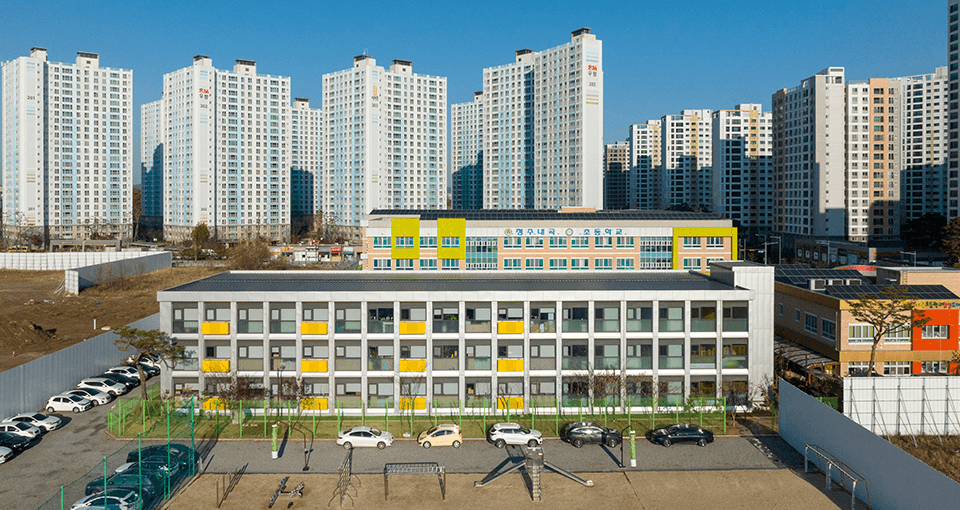
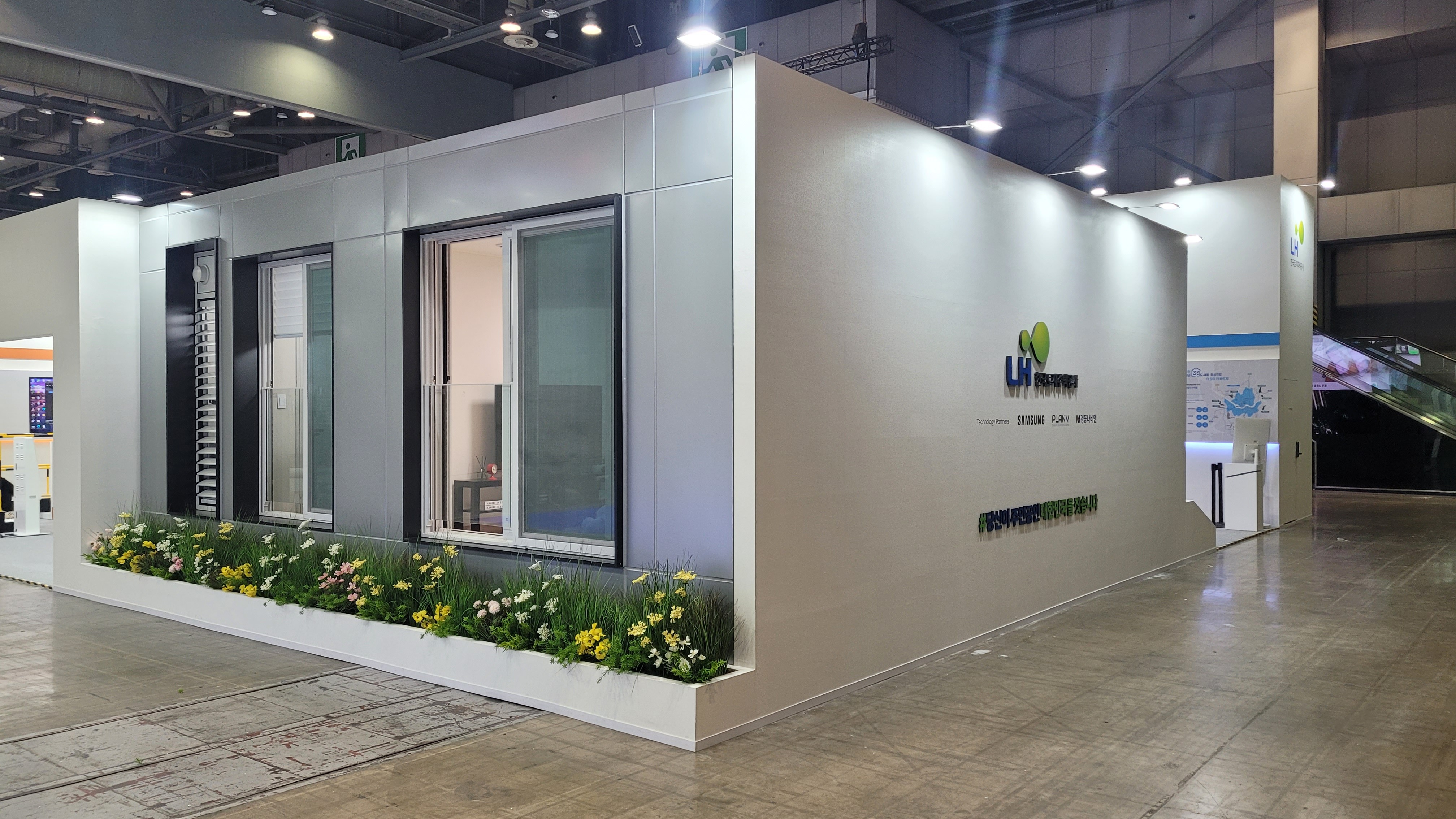
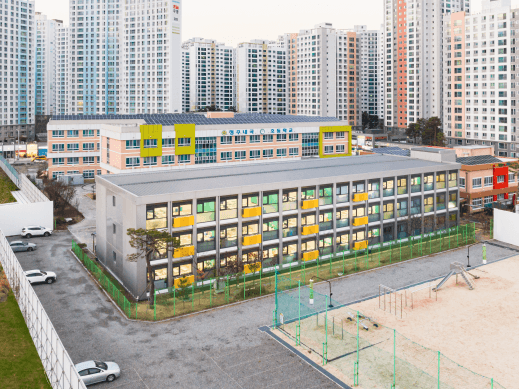
While the "shadow of school closures" looms over even major cities due to declining student populations caused by low birth rates, a paradoxical phenomenon of "overcrowded classrooms" is occurring in certain regions. "Modular Classrooms" are emerging as a powerful alternative to resolve this imbalance. Modular classrooms boast rapid construction times and offer relatively flexible expansion. Furthermore, if student numbers decrease, they can be disassembled and relocated to other sites, providing eco-friendly benefits by preventing resource waste. As these modular units are pre-fabricated in a factory environment, they are also capable of meeting increasingly stringent safety and environmental standards.
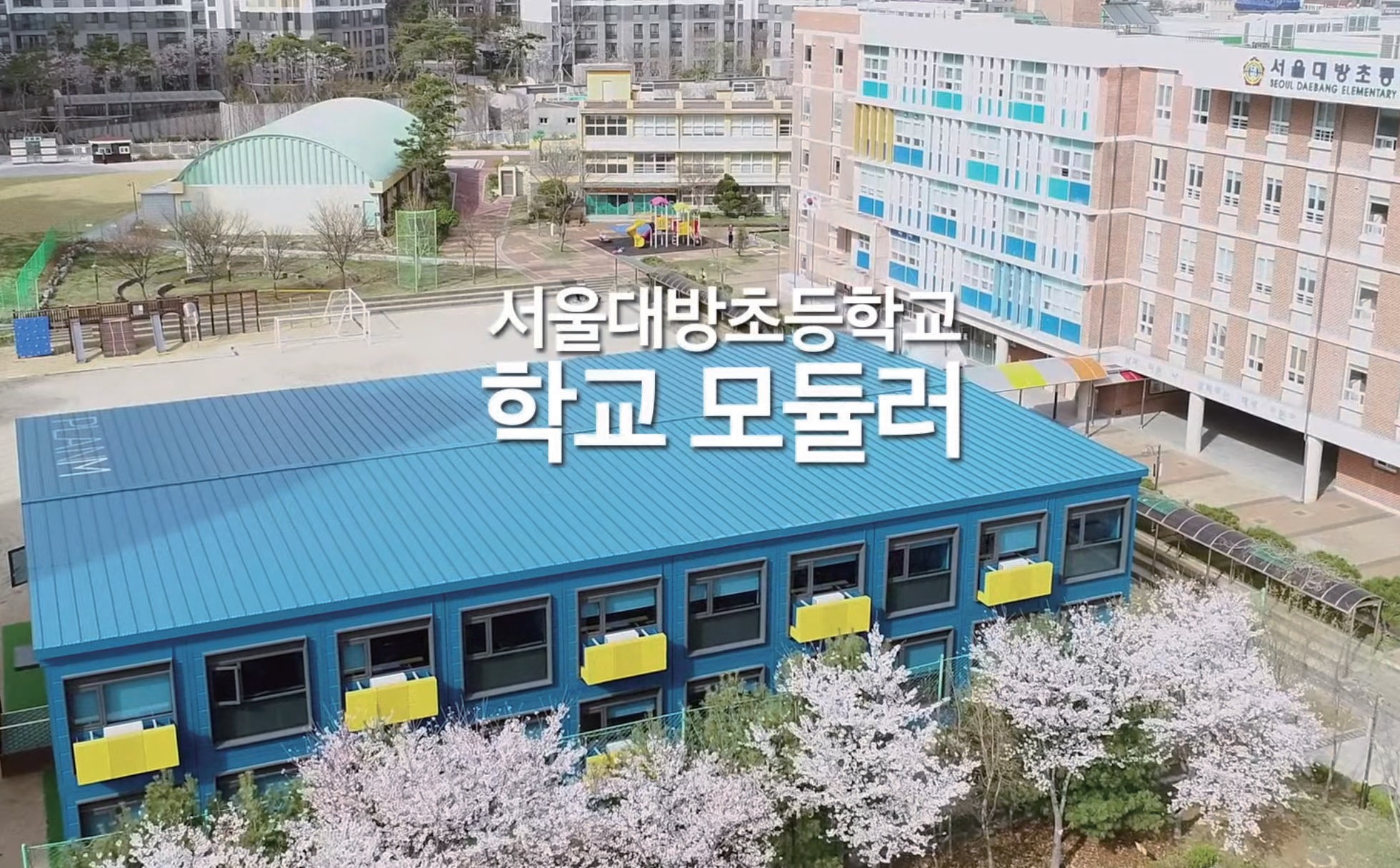
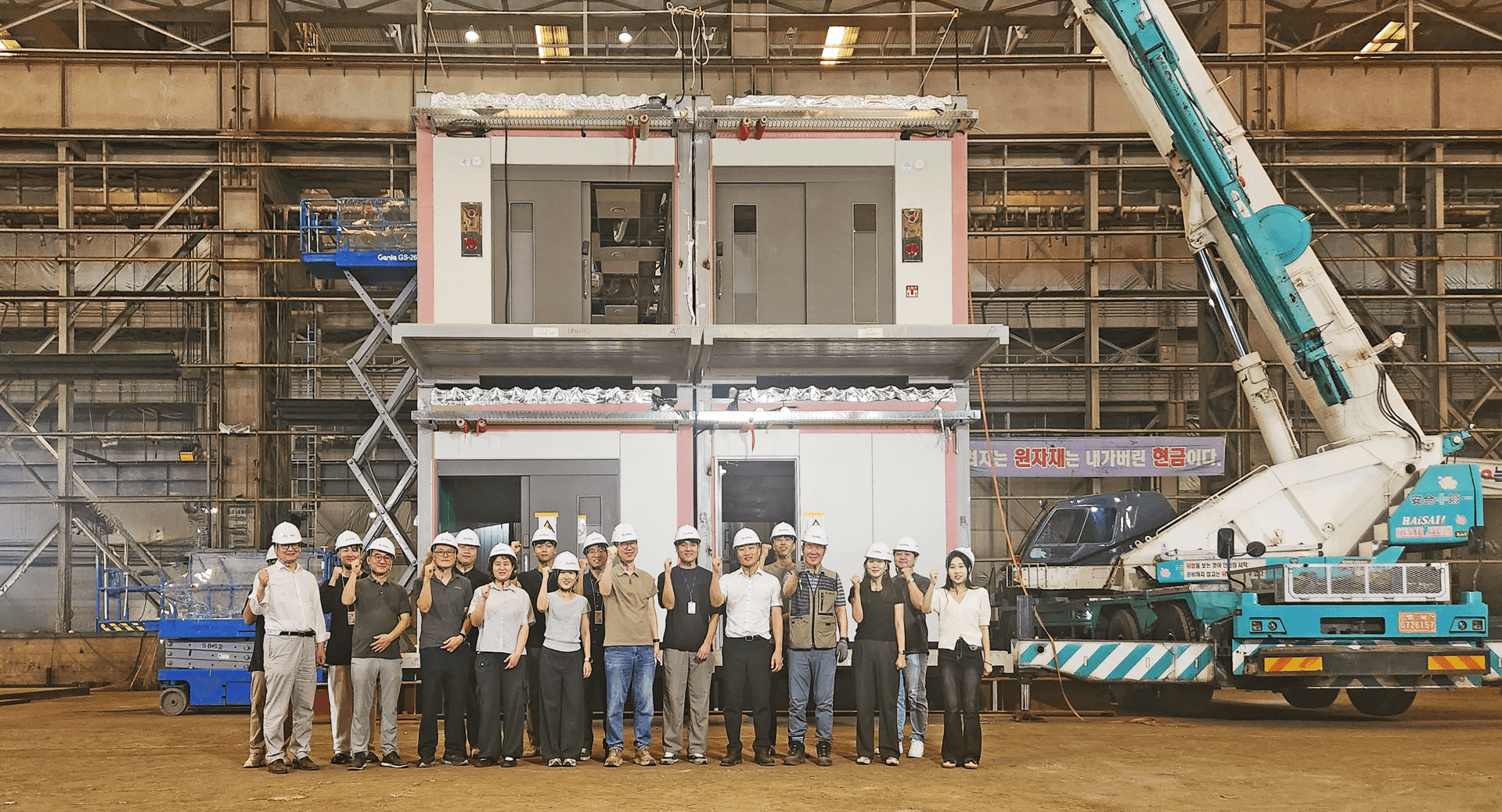
PLANM has solidified its position as a frontrunner in the "Green Smart Modular" sector, having constructed a total of 7,000 modular classrooms across 111 schools nationwide. By providing safer and more comfortable spaces for the students who will lead our future, PLANM plans to broaden the versatility of modular applications across various industries while simultaneously enhancing the global competitiveness of "K-Modular" in international markets.
◎ Finding the Answer to Construction Challenges in ‘Modular’
Unlike traditional methods that complete a building entirely on-site, the "Modular" method involves manufacturing most of the processes in a factory and then simply assembling and installing them on-site. Because production happens in a controlled factory environment, the impact of weather is minimized, and consistent quality—much like a manufactured product—can be secured. Through continuous technical development, modular units are not only improving in safety (seismic and fire resistance) but also in convenience factors such as soundproofing and insulation.
The construction period is also significantly shortened, minimizing dust and noise pollution and greatly reducing the risk of safety accidents at construction sites. Furthermore, this method addresses the labor shortage facing the construction industry while contributing to the creation of high-quality jobs. This is why the domestic construction industry, currently facing various limitations, is seeking a breakthrough in modular construction. While the global market has already established modular as a pillar of the industry, the domestic market is still in its infancy; however, companies with a fresh spirit of challenge are beginning to emerge one after another.
◎ PLANM: Staying One Step Ahead of Modular Market Shifts
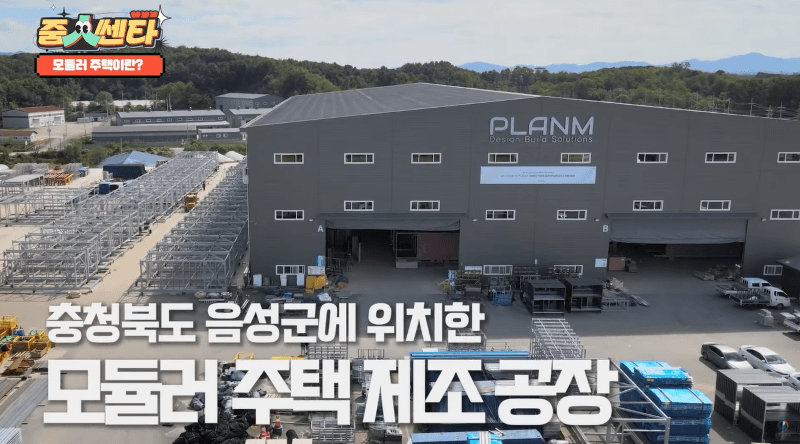
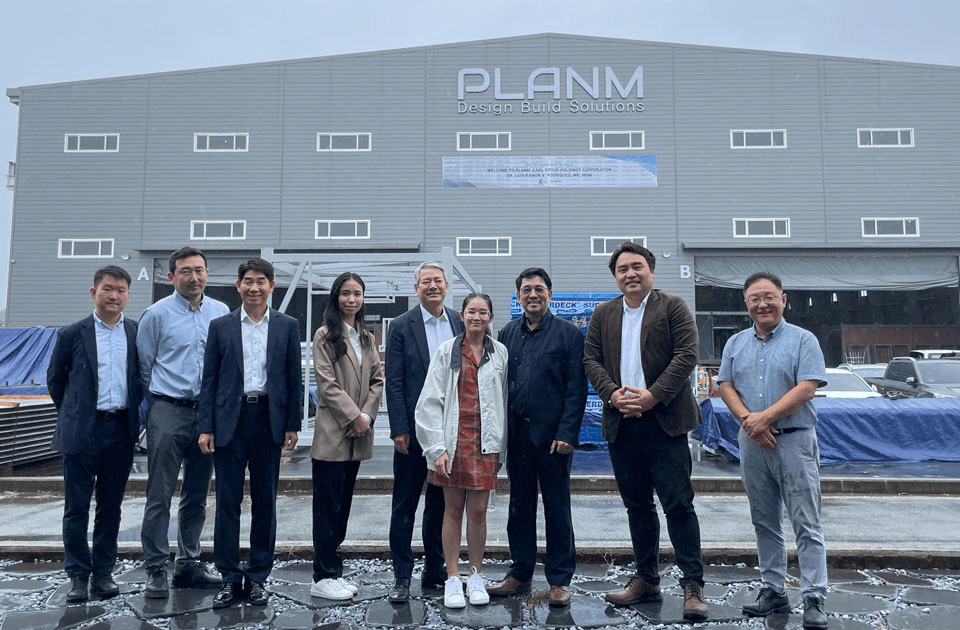
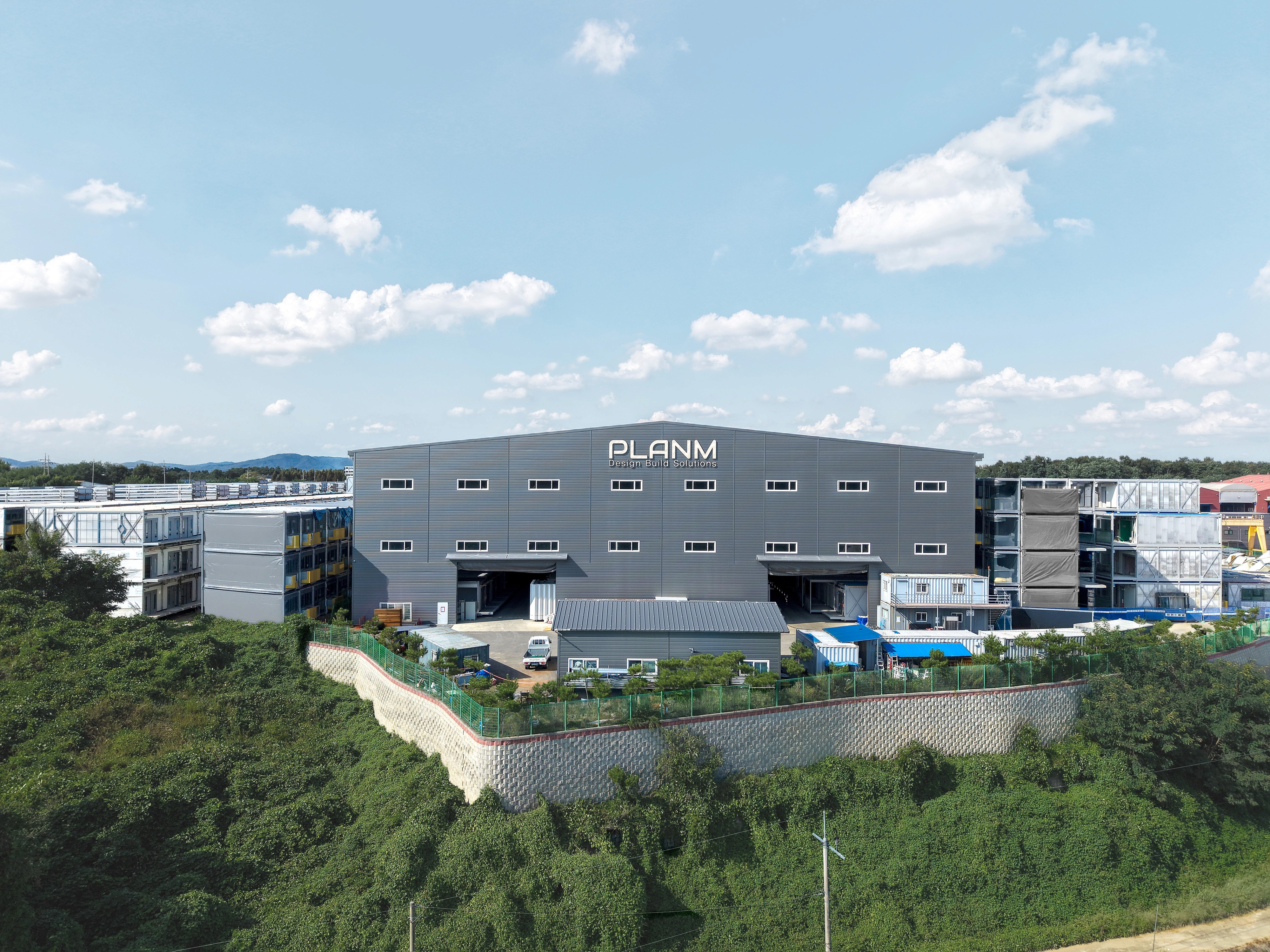
PLANM is a leading Con-Tech company in the "Eco-friendly Modular" sector. It supplies modular units to schools nationwide through the Public Procurement Service (PPS) Nara Marketplace. Recognized for its product excellence, the company has manufactured and installed approximately 7,000 modules across the country, securing the top market share. PLANM provides integrated services covering everything from modular design and development to production, delivery, and maintenance.
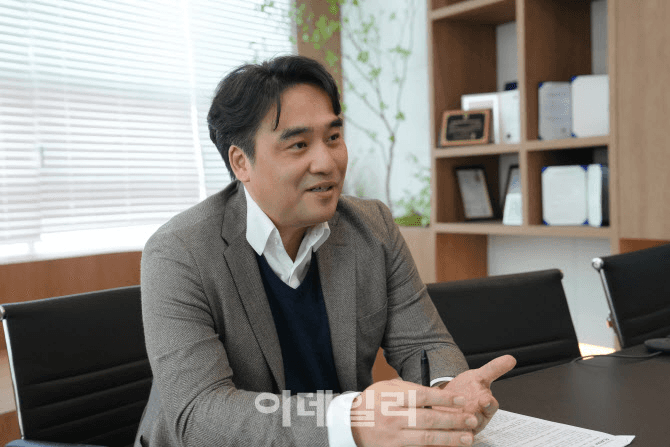
CEO Lee Min-gyu is a modular expert who previously planned modular business items at POSCO International and successfully managed the mobile hospital project for the National Medical Center. At the time, modular construction struggled to take root in Korea due to its lower cost-competitiveness compared to concrete buildings, but Lee saw an opportunity. “I believed we could gain price competitiveness through standardization and factory production. To achieve this, I focused on securing production facilities and building an independent production system in the early stages of the company.”
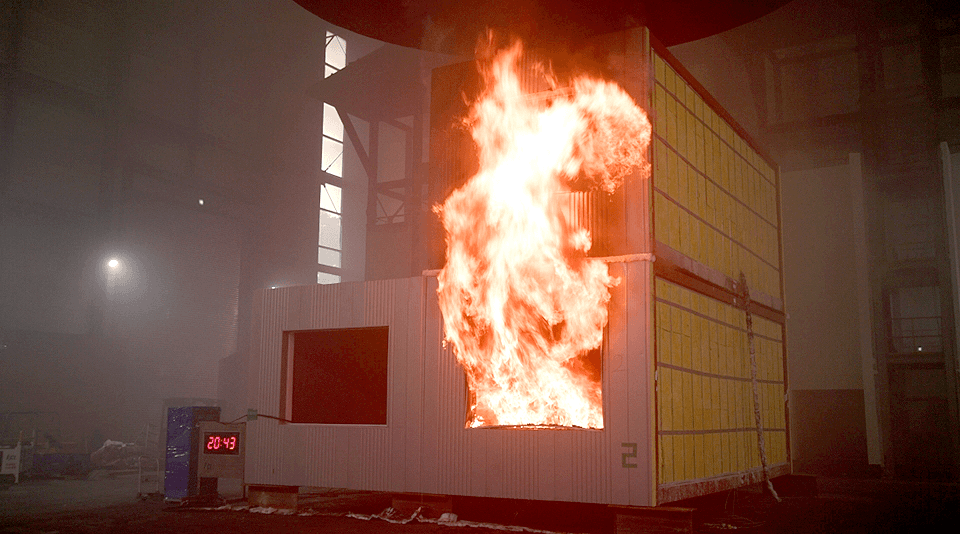
He also conducted thorough market analysis. At the time, most temporary buildings were prefabricated structures made by joining cargo containers. Since these containers were never intended for residential use, they suffered from issues like poor insulation and soundproofing. Lee saw that "Modular" units, specifically designed for living, could replace them. While striving for price competitiveness, PLANM remained uncompromising on quality. Lee stated, “From the design phase, we aim for quality that exceeds standards. That is why we insist on using only domestic POSCO steel.” PLANM modules are manufactured to exceed legal requirements for structural, fire, insulation, soundproofing, and vibration performance, with actual test results surpassing those of traditional buildings.
◎ PLANM Modular: Optimized for the Specific Needs of School Construction
School construction requires spaces where students can continue learning while existing buildings are being rebuilt or remodeled. In particular, when rebuilding aged structures, construction must be completed within a very short window.
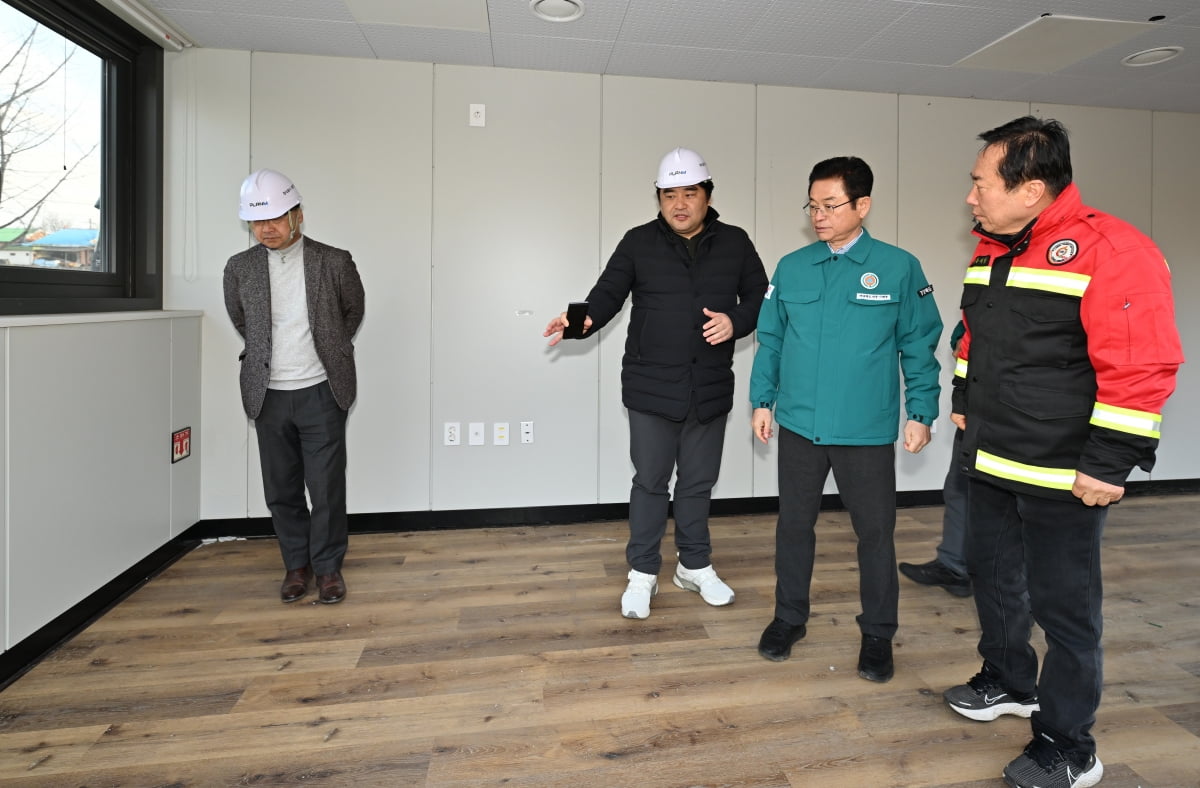
“PLANM’s modular units are manufactured via a one-stop solution—from steel frame fabrication to interior finishing—in the factory. This shortens the construction period, allowing us to provide learning spaces quickly. Since most of the process is finished in the factory, we also reduce safety risks for students,” Lee said, foreseeing modular as the solution to school reconstruction issues.
He also emphasized the environmental advantages. “In a situation where over 100 million tons of construction waste are generated daily, modular units whose service life has expired are not discarded. Instead, they can be relocated to other schools in need of reconstruction, achieving a recycling rate of over 90%.”
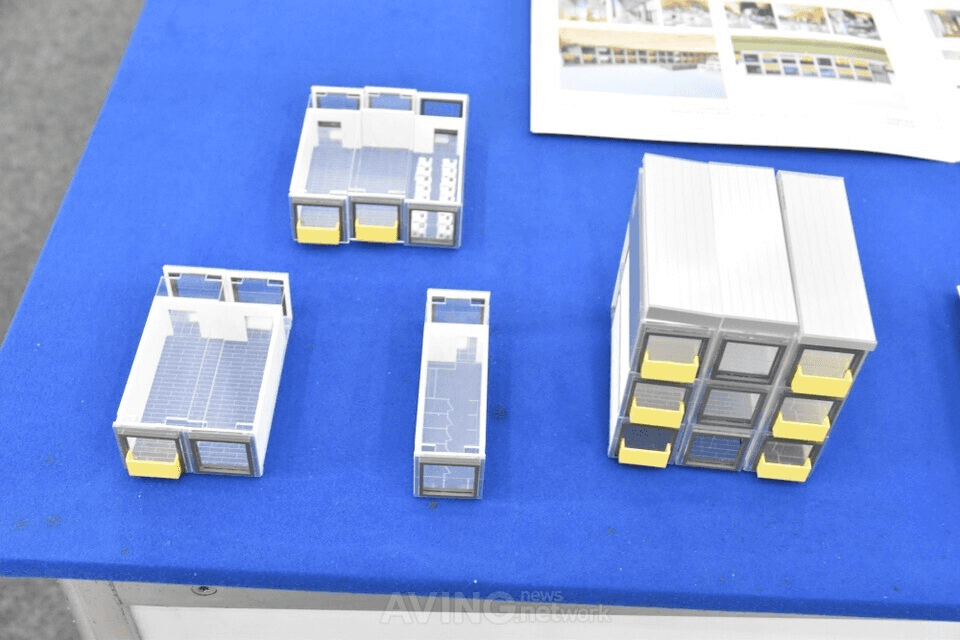
Because PLANM builds schools for children, it adheres to the strictest standards. Lee noted that he particularly values "Structural Safety, Fireproofing, and Eco-friendliness." “For the health and safety of students, we strive to create structurally sound buildings. PLANM modular units are volumetric modules based on a ‘Ramen’ (rigid-frame) structure used in high-rise buildings, where each module is stacked. We conduct structural reviews for individual modules and combinations before installation. Furthermore, we perform additional structural calculations based on the specific characteristics and scale of each school site to submit structural safety and seismic design certificates.”
◎ Overcoming Misconceptions and Distrust Toward Modular
Despite having technical performance comparable to or better than general buildings, modular units are still sometimes misunderstood as being on the same level as "prefabricated containers." Some even express distrust regarding the price after seeing the superior functions.
“There was a negative perception of modular due to the Sea Land tragedy in the past. However, what caused the problem back then was styrofoam panels—which are highly vulnerable to fire and completely different from modular construction. Fortunately, public perception has changed recently. Now, many people know the difference between a container and a modular unit,” Lee explained. “A container is transportation equipment made of steel or aluminum for moving cargo; it is not for human habitation. Conversely, ‘Modular’ functions the same as a general steel structure, except for the fact that it is built in a factory. It is manufactured specifically for people to live in.”
PLANM’s modular units comply with energy-saving insulation grades, vibration, and soundproofing standards under the Building Act, as well as air quality management, ventilation, lighting, and finishing standards under the School Health Act. To address safety concerns often associated with "temporary structures," PLANM secures structural safety through bearing capacity tests and seismic designs.
◎ Modular: Where Functional Perfection Meets Aesthetic Beauty
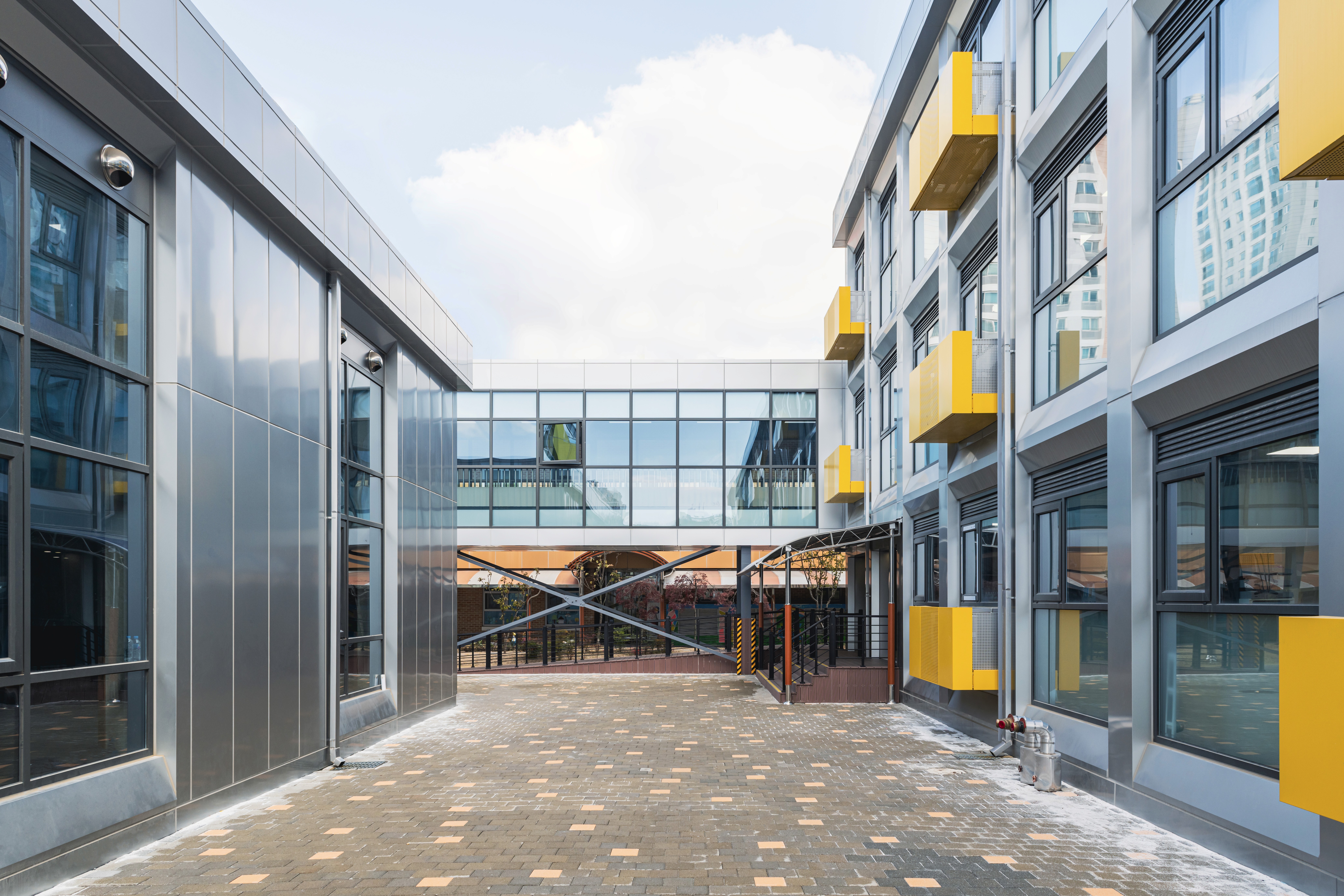
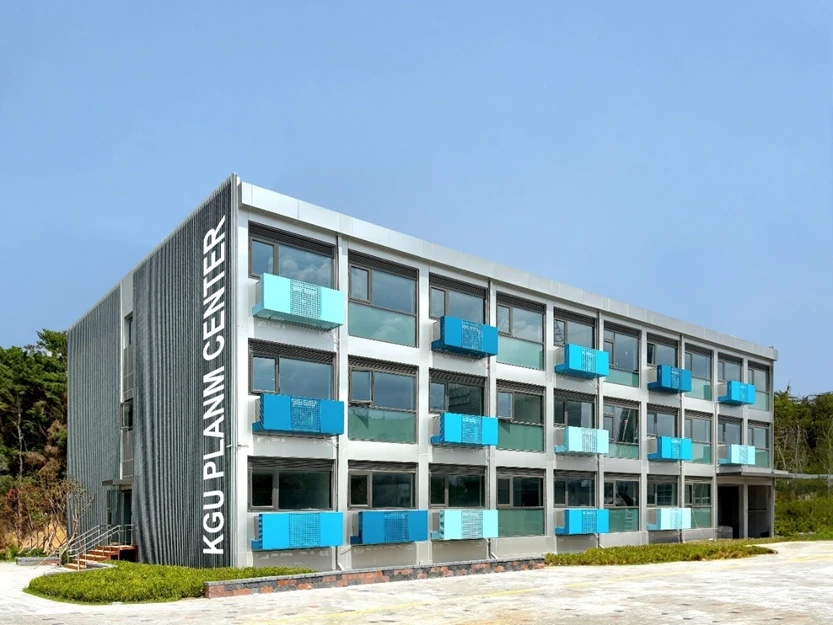
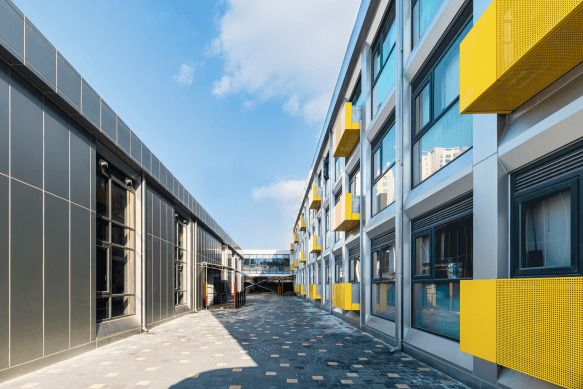
The modularity that PLANM pursues is one that adds "beauty" to functional perfection. The company’s philosophy is that a building should not only be safe and functional but also harmonize with its surroundings to create urban beauty. Over generations, PLANM has evolved its designs.
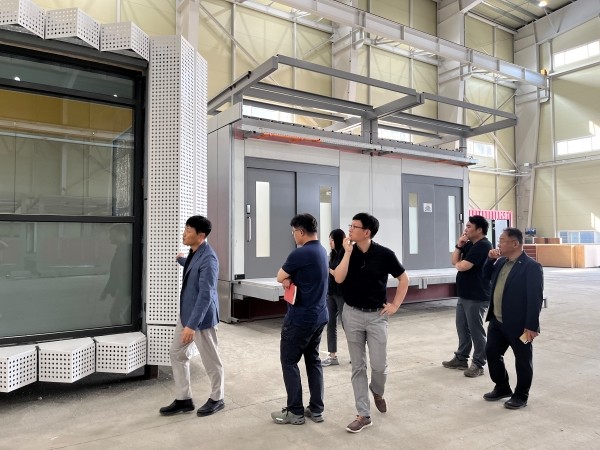
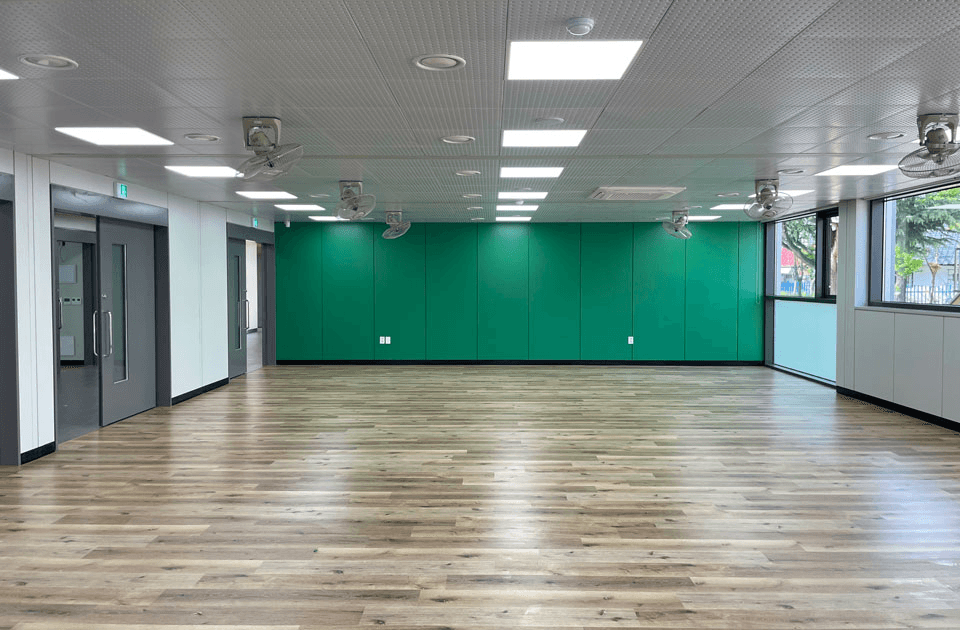
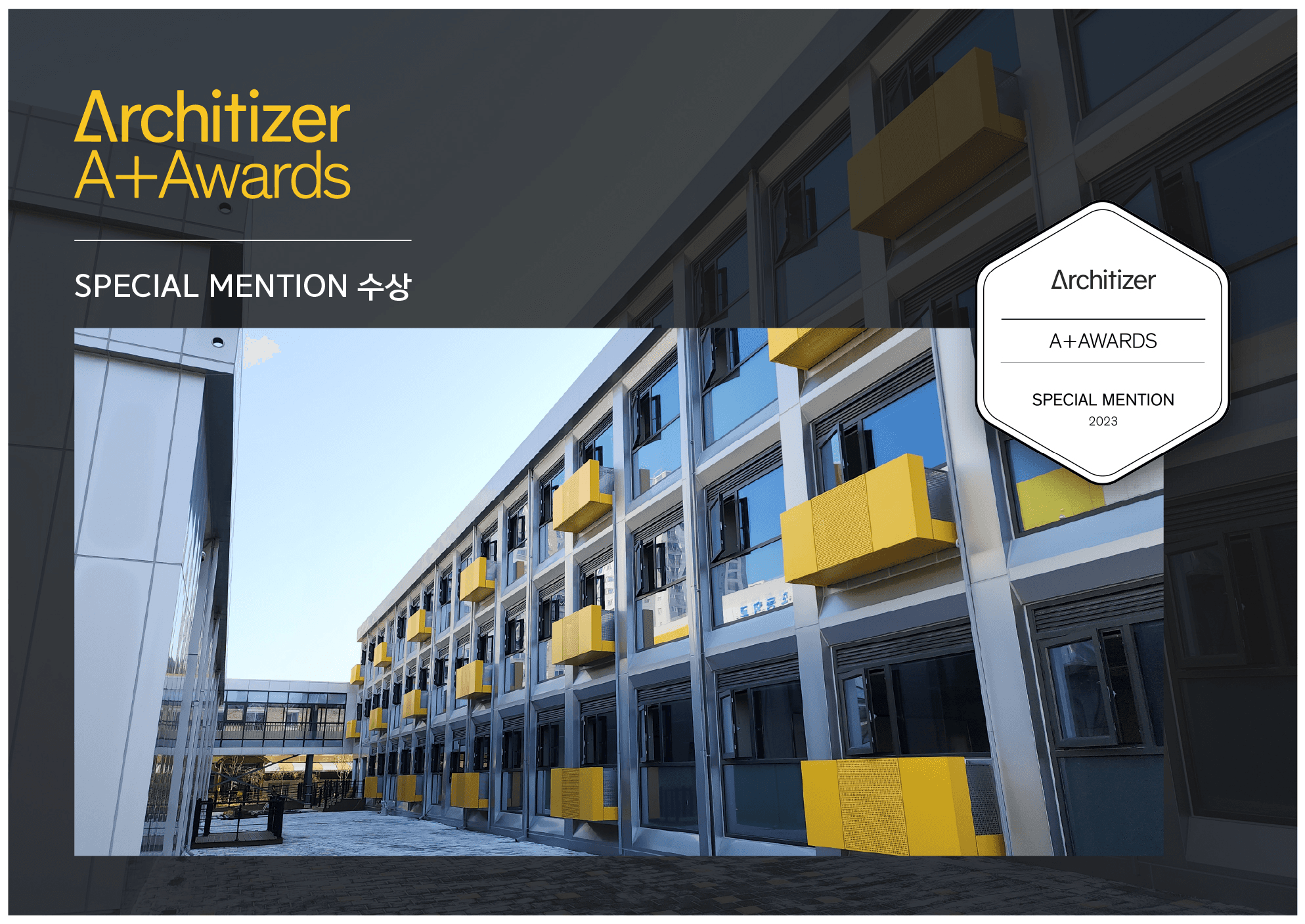
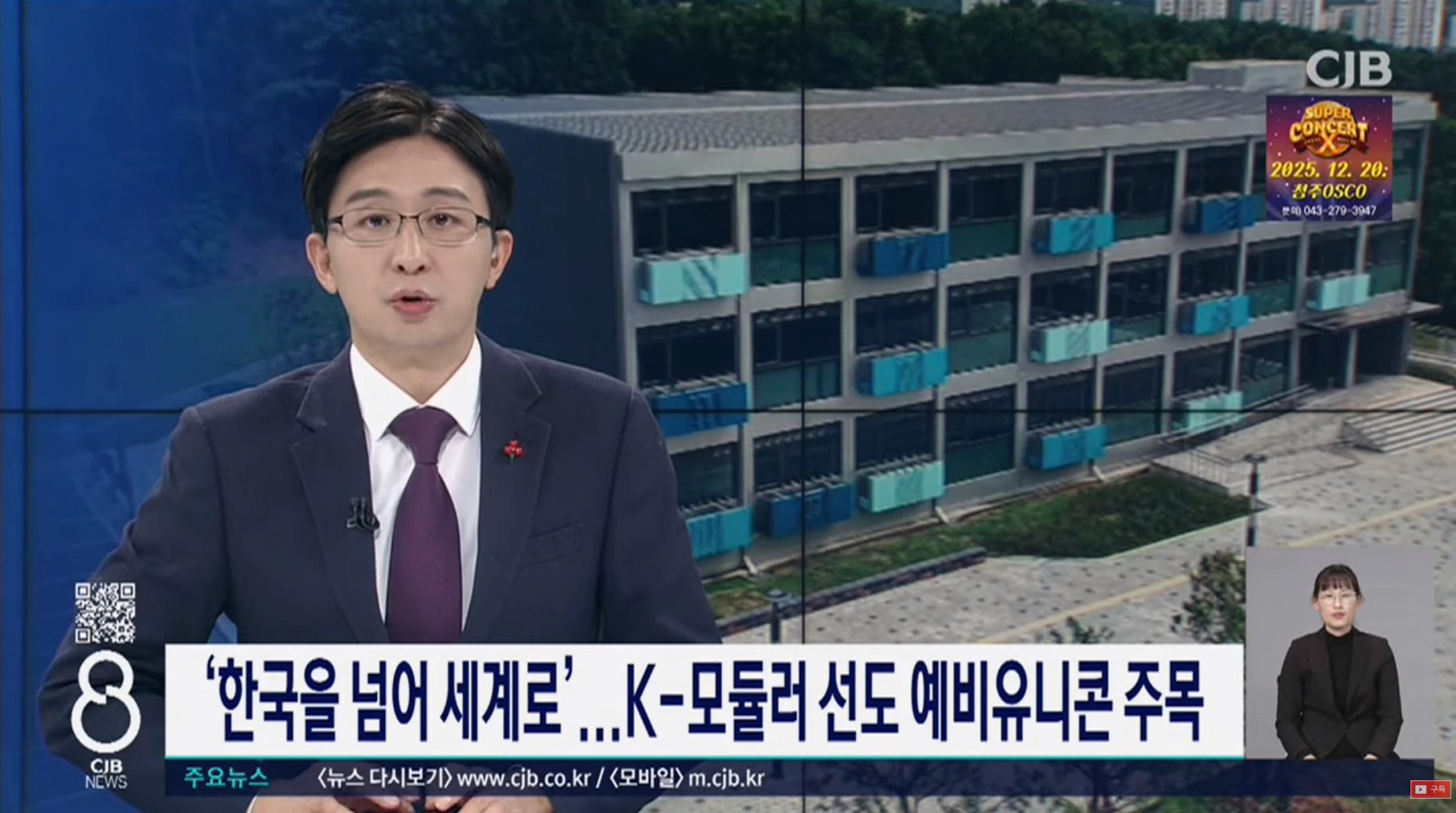
Lee shared, “Working with experts, we developed colors that minimize light reflection from the silver steel plates while ensuring that any damage is not visually prominent. To create a comfortable educational environment, interior walls are finished with light ivory steel plates. Even AC brackets have been elevated into a design element to harmonize visually.”
In a modular market where specifications and purposes are often limited, PLANM is always contemplating the optimal intersection between function and design. Thanks to these efforts, PLANM’s modular buildings are becoming increasingly visually attractive and harmoniously integrated with their environments.
◎ Systematic Support Measures Essential for Sustainable Growth of Modular Technology
Global interest in modular construction is far ahead of the domestic market. Modular is already widely applied in the residential industry, and there is a strong preference for recyclable modular building methods due to environmental concerns. Public institutions are increasingly adopting modular solutions because they allow for high-quality structures to be built quickly by reducing on-site construction time and offer the flexibility to be relocated according to their use.
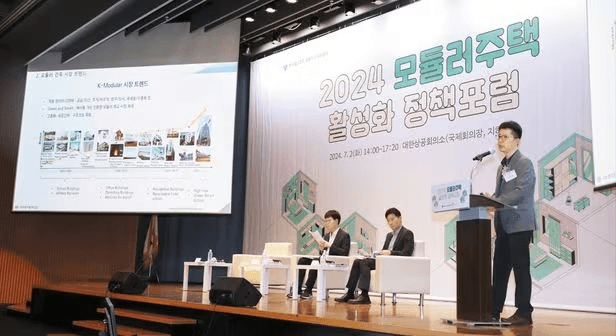
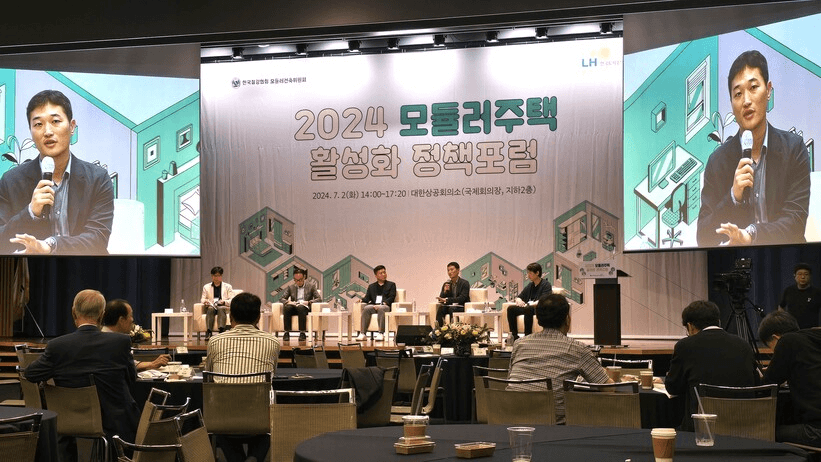
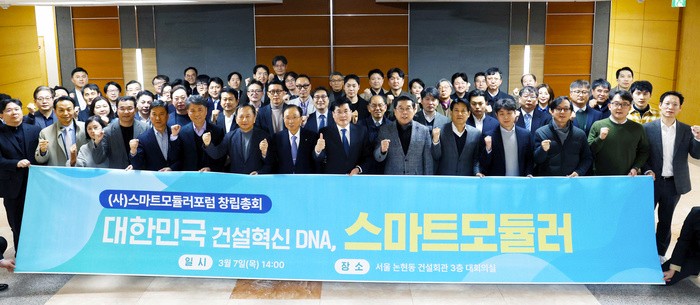
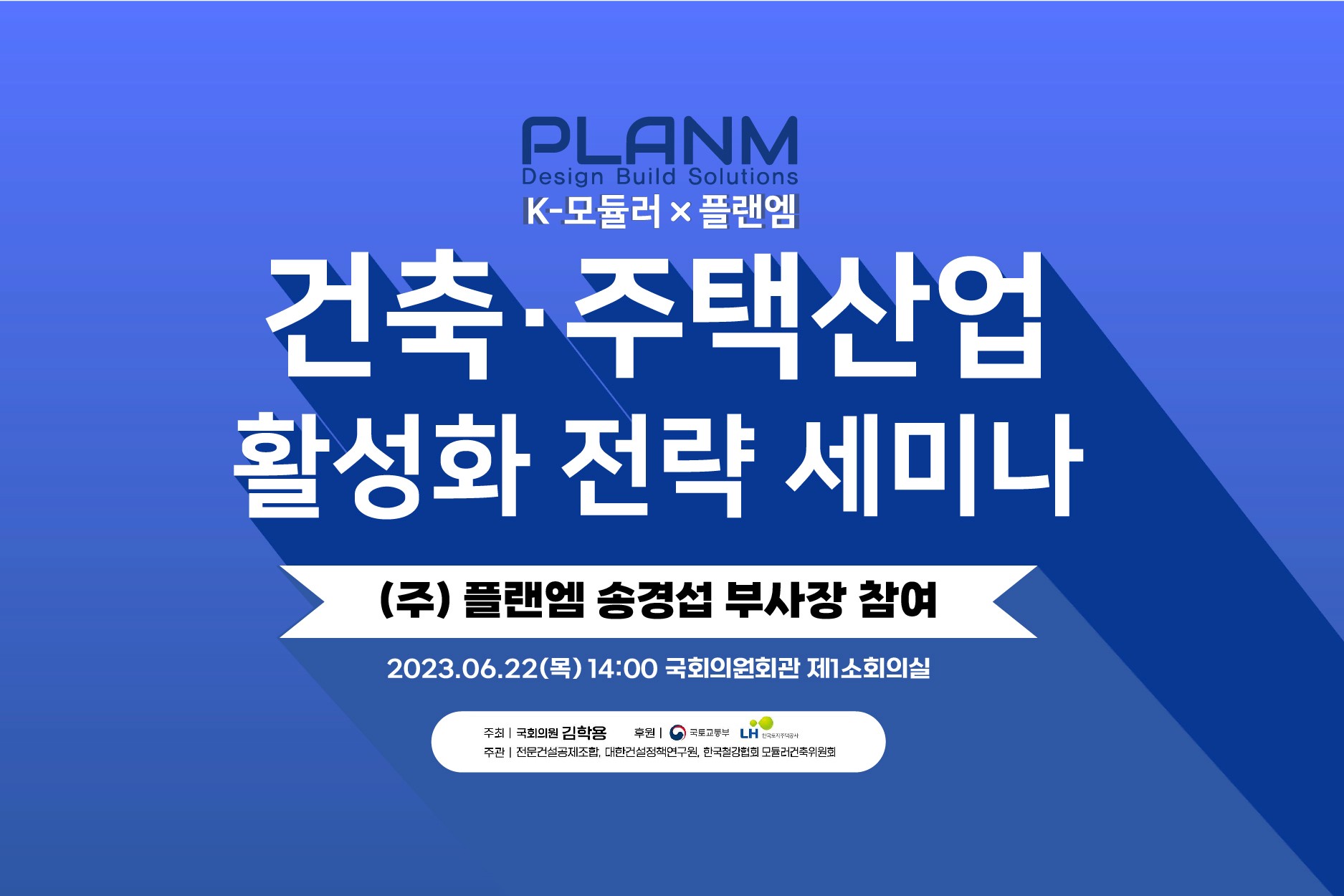
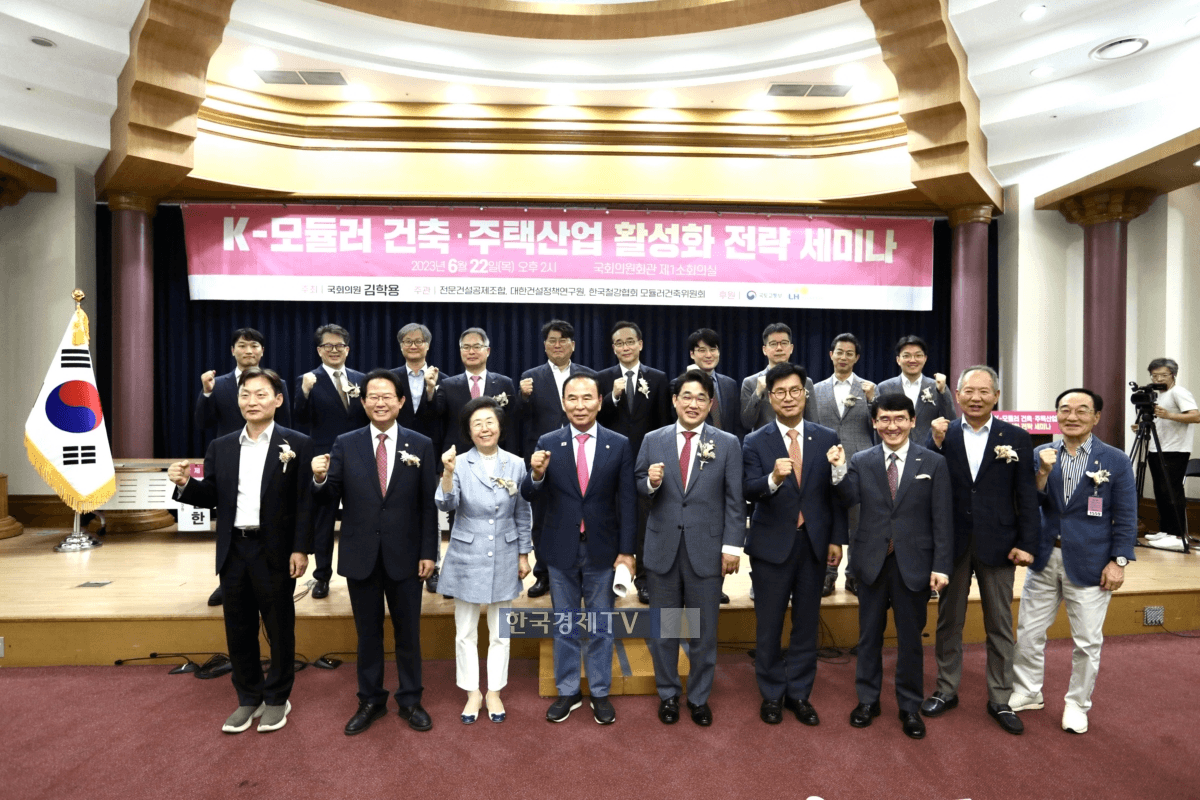
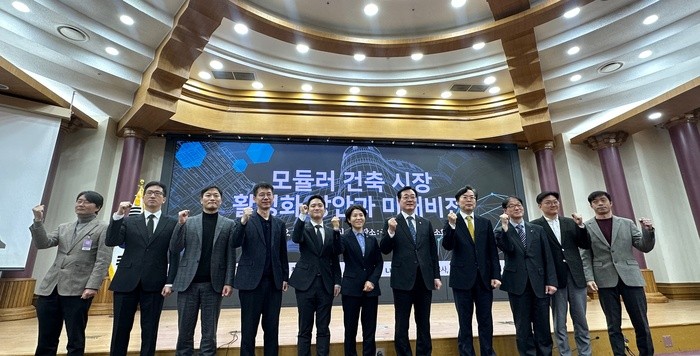
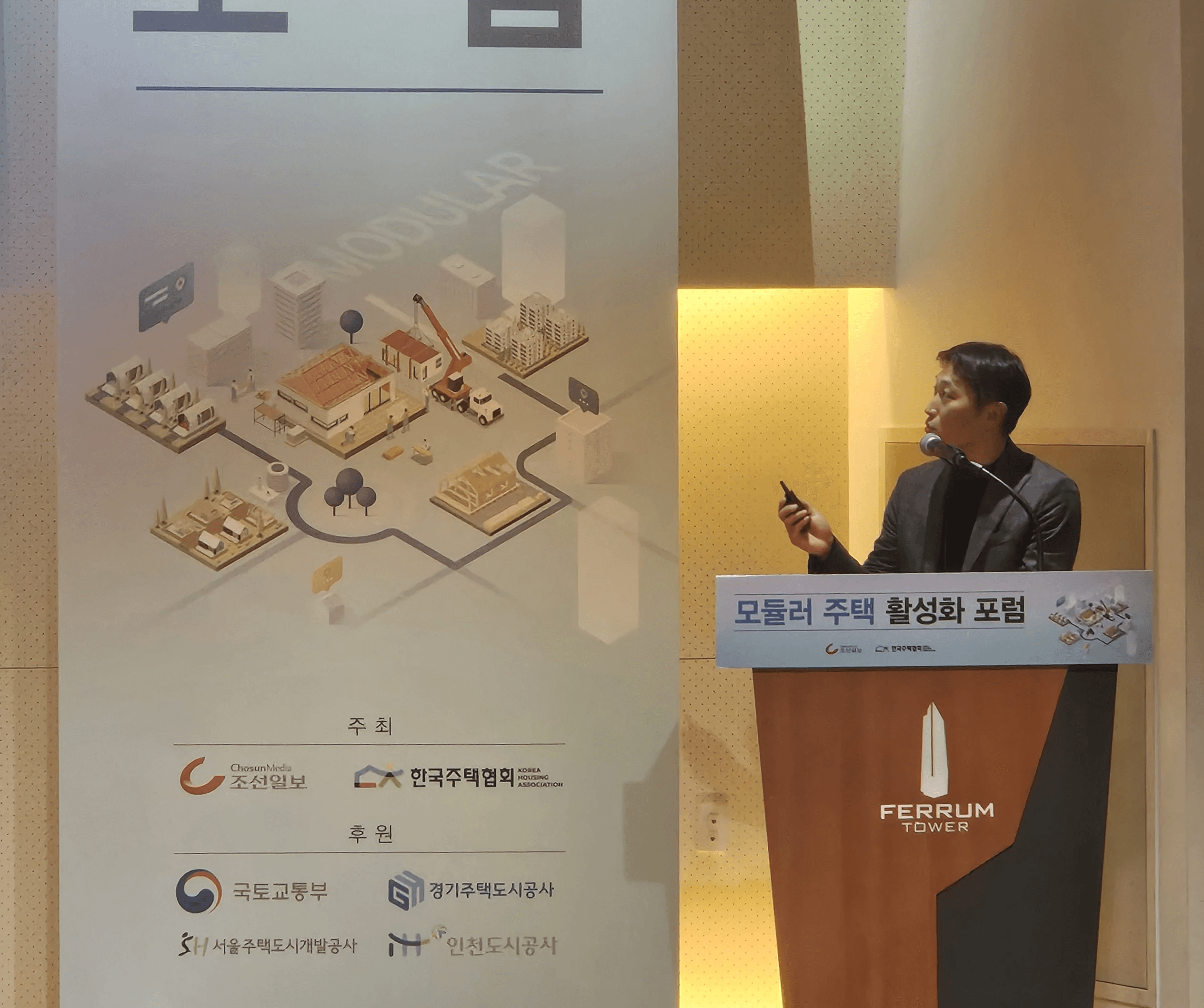
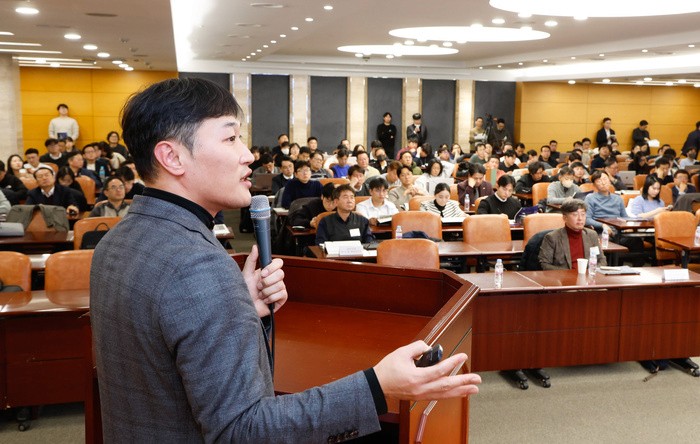
"Interest is growing as research results show that modular can contribute to achieving carbon neutrality in addition to its known benefits, such as waste reduction," says CEO Lee Min-gyu. "At the Smart Modular Forum held at the National Assembly, it was analyzed that the modular method can reduce carbon emissions by about 20% compared to traditional reinforced concrete methods, and if the modular construction market expands, the carbon reduction effect will rise by more than 40%. As school modular products have recently become a hot topic, even major construction firms are racing to enter the market." He predicts that the domestic modular market is bound to grow in line with the global decarbonization trend.
The government recently announced plans to supply 3,000 units annually by 2030 through OSC (Off-Site Construction) methods, including modular. Lee stated, "Modular construction will lead the transformation of construction sites. PLANM will focus on technological innovation, such as mid-to-high-rise structures and floor plan diversification, centered on school modularity."
Modular construction requires a transportation process from the factory to the site. Under the Road Traffic Act, there are height and width restrictions for loads to ensure safety, which limits spatial configuration. Additionally, modular installation requires access for large equipment like cranes, which can be limited by site conditions.
To overcome these hurdles, Lee noted that the company is putting in significant effort. "PLANM is working to solve spatial limitations by developing 'Assembled Modulars' that allow for vertically high ceilings and 'Large-Space Modulars' structurally reviewed for horizontally wide configurations. We are also implementing hybrid systems that partially combine panelization systems to overcome the limitations of transportation and installation sites."
◎ Quality Proven by Modular Schools: Diversifying into Residential and Office Sectors
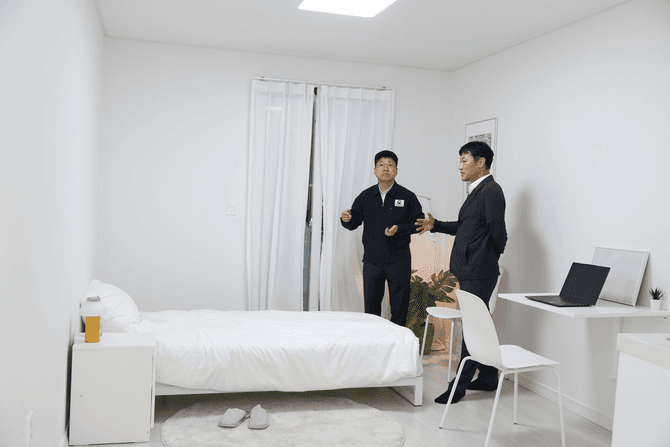
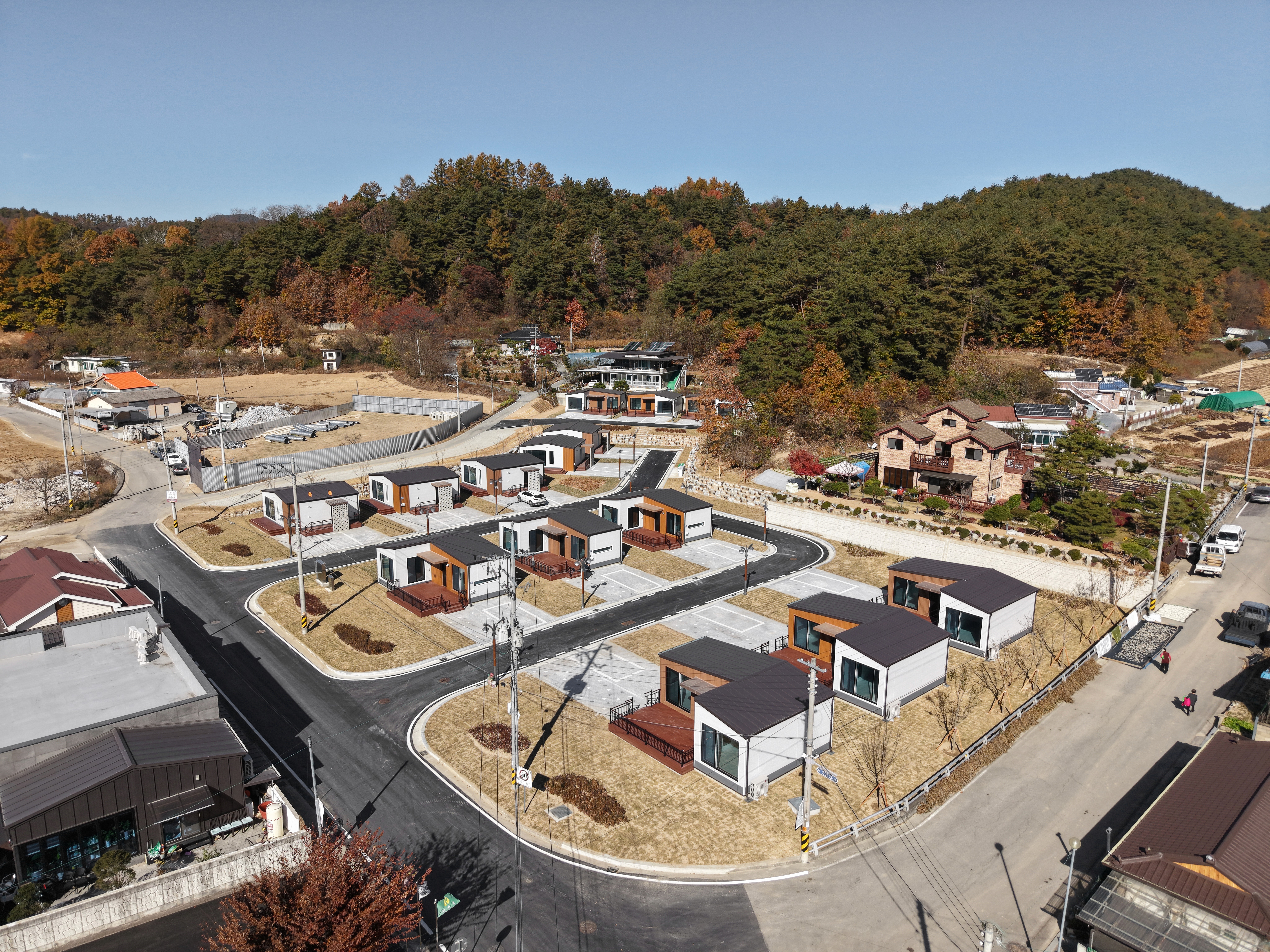
Having built its expertise in the school modular sector, PLANM plans to broaden the utility of modular in various fields. Lee anticipates that future residential demand will shift toward "functional, compact housing" for the elderly, newlyweds, and young professionals. "Based on the technology and experience proven through school modular construction, we plan to expand into residential buildings such as villas and officetels. We expect opportunities for modular in various fields that require rapid completion, such as offices, dormitories, and military barracks." PLANM intends to focus on modularity that is practical for everyday life rather than just flashy. "Sometimes the modular method is judged solely by how high or how fast it can be built. Technically, it's possible to build as high and fast as needed. However, the modularity PLANM pursues is not about the tallest or fastest building, but a 'solidly grounded building' that users can truly appreciate while experiencing it in their daily lives."
New business plans under consideration also include the development of "Smart Farms" using modular technology. The idea is to integrate smart farm modules when developing residential modulars to build infrastructure where fresh produce is accessible right next to living spaces. To this end, the company also operates the "Stay Green" cafe as an F&B business. PLANM’s future business vision is to add culture to residential spaces by providing various food and beverages and, in the long run, to build a "Modular Integrated Living Village" equipped with education and medical facilities.
◎ Going Beyond Korea: The Challenge of Opening Global Markets for K-Modular
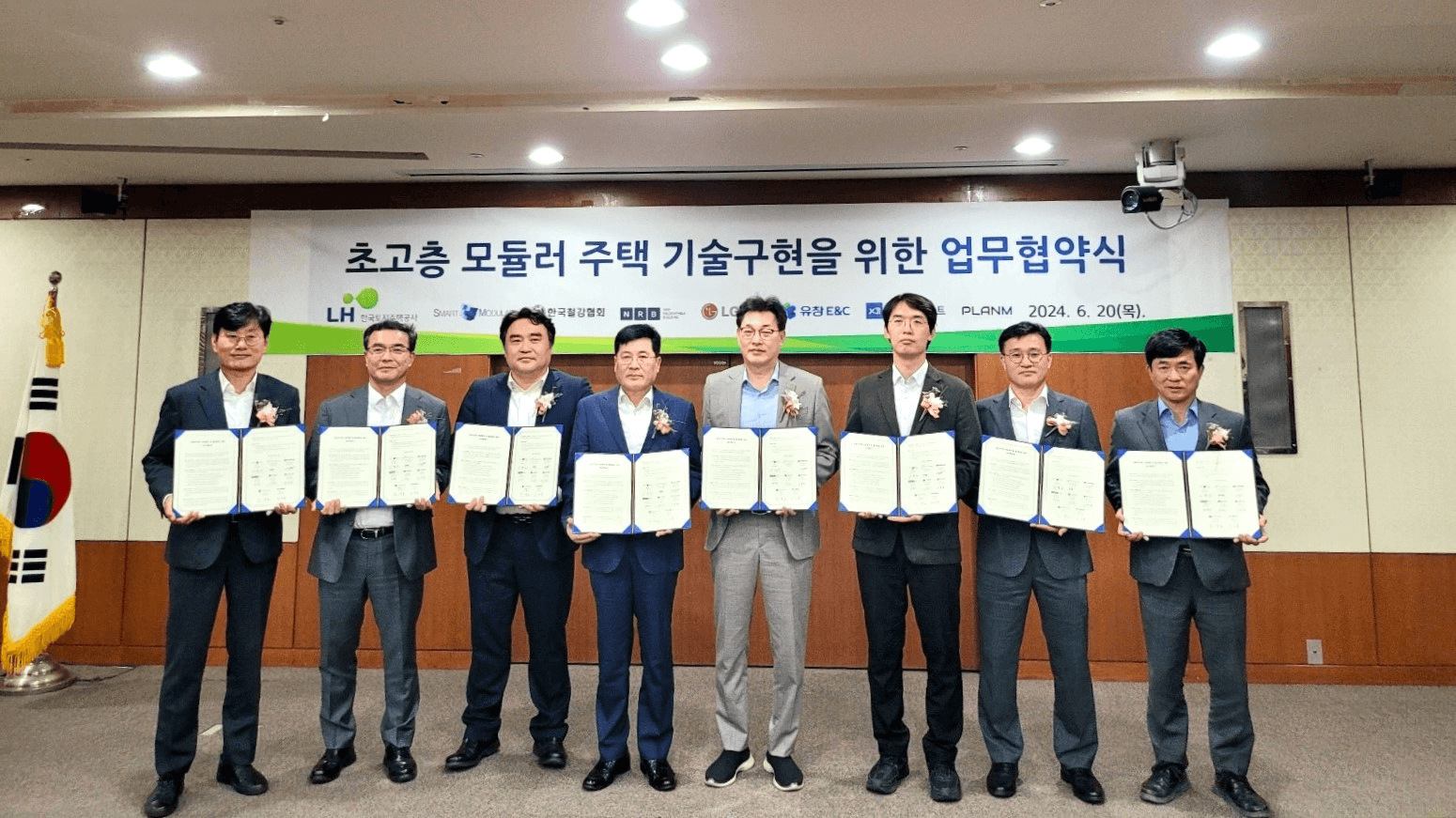
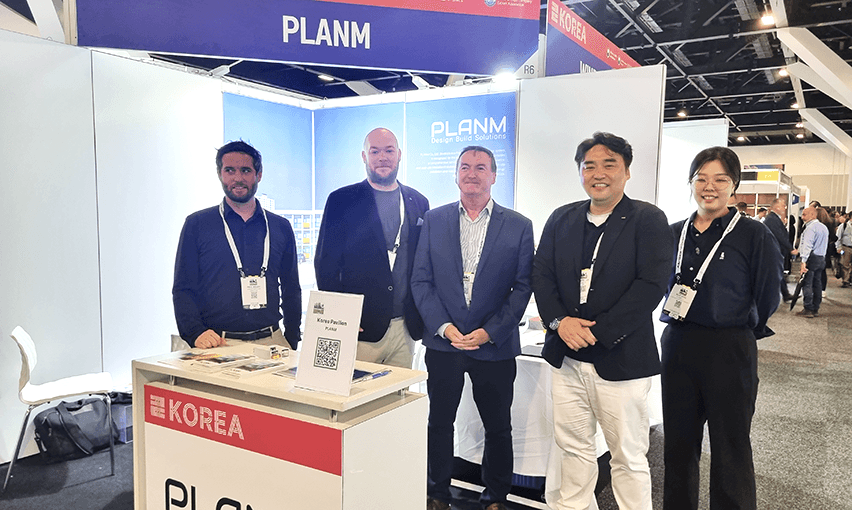
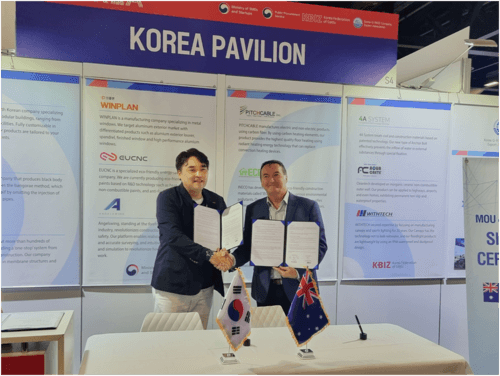
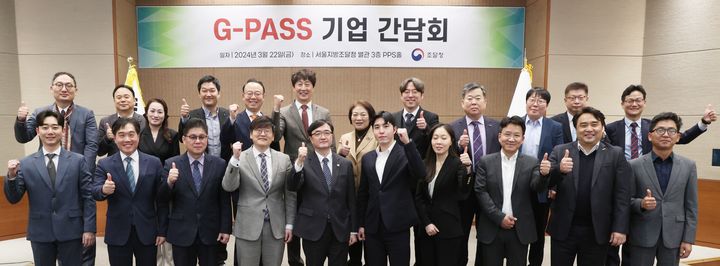
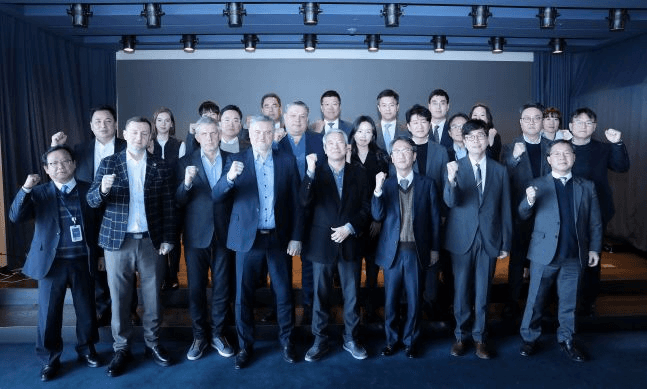
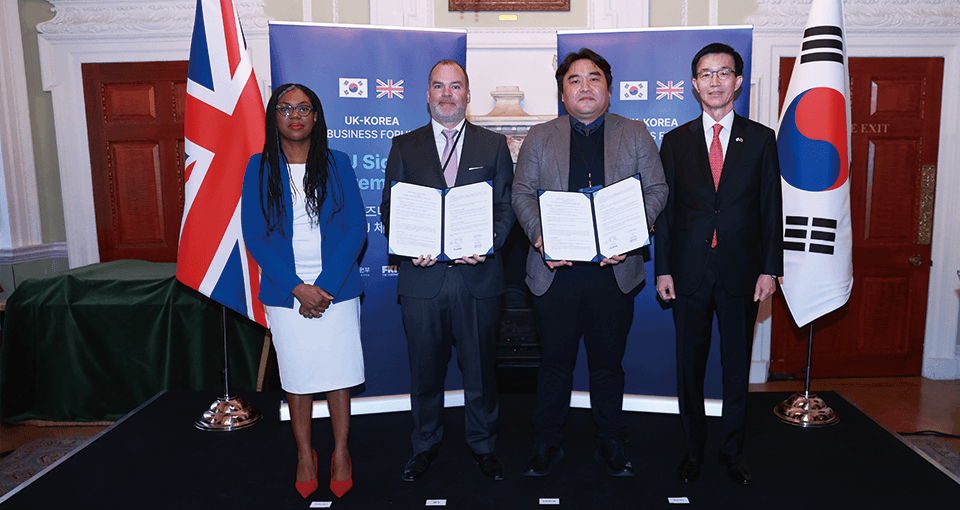
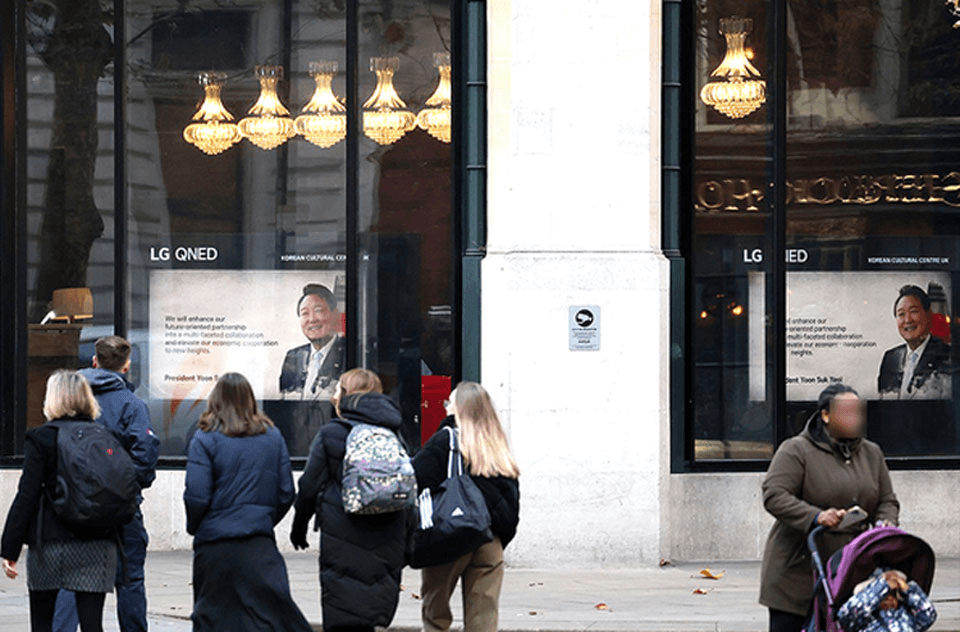
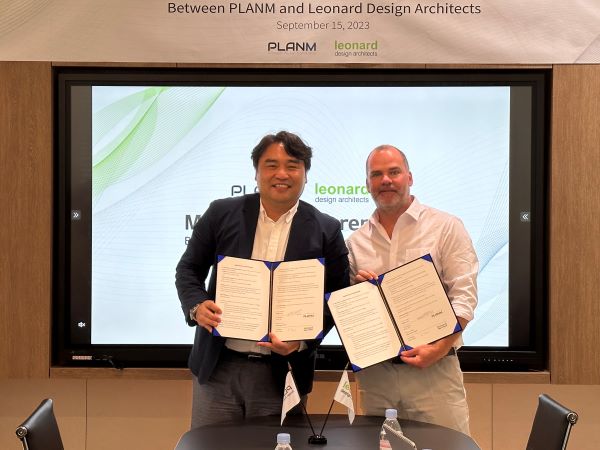
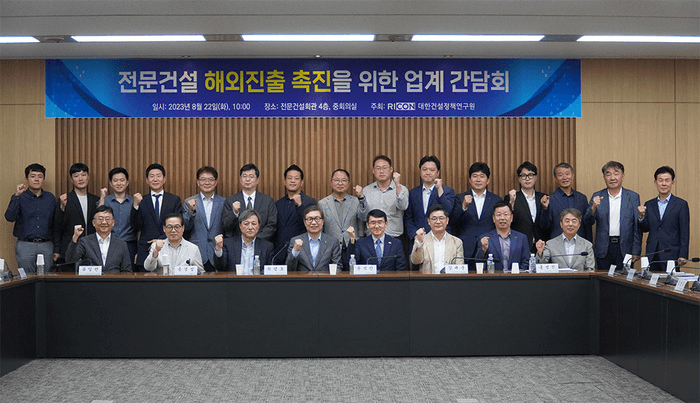
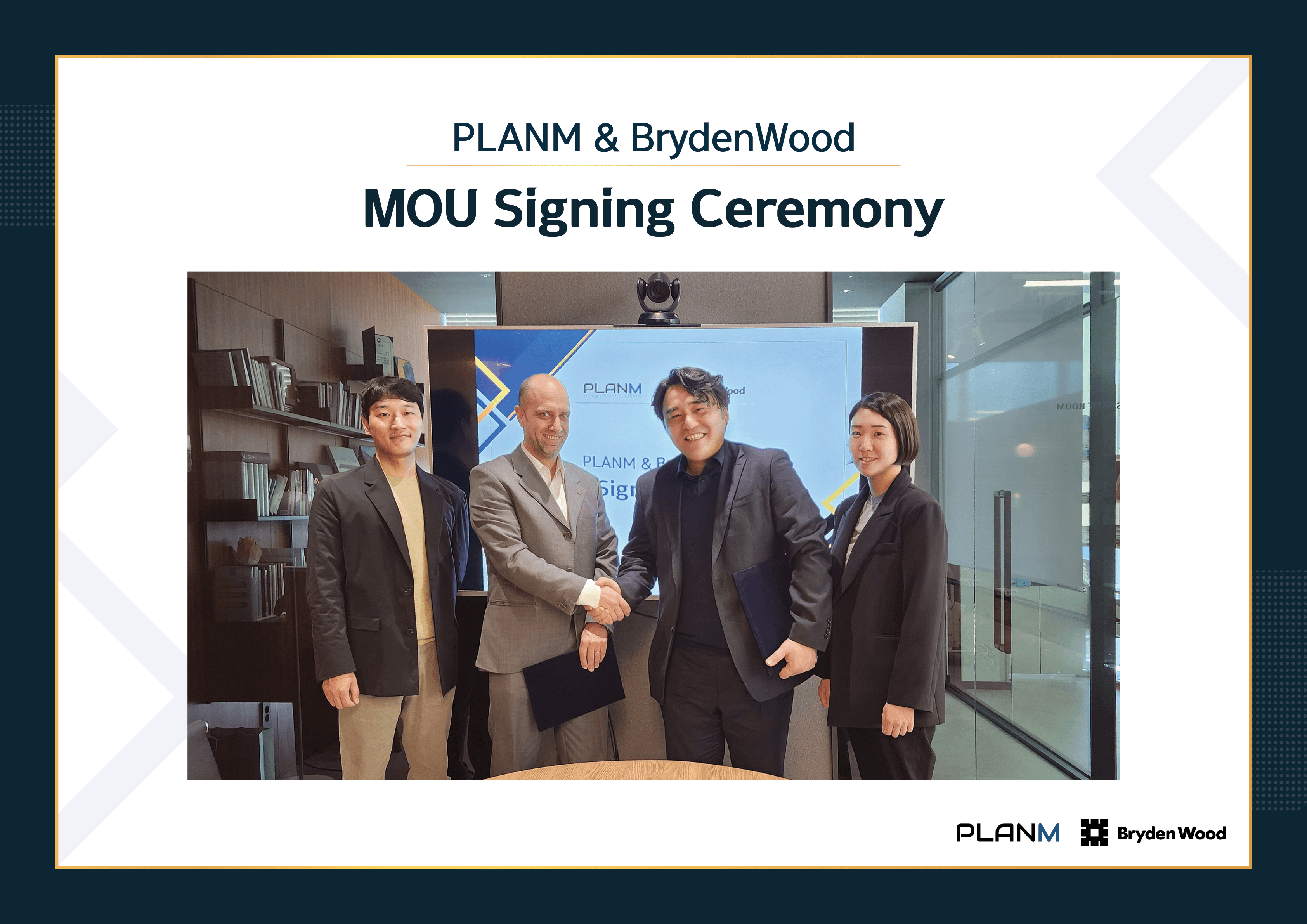
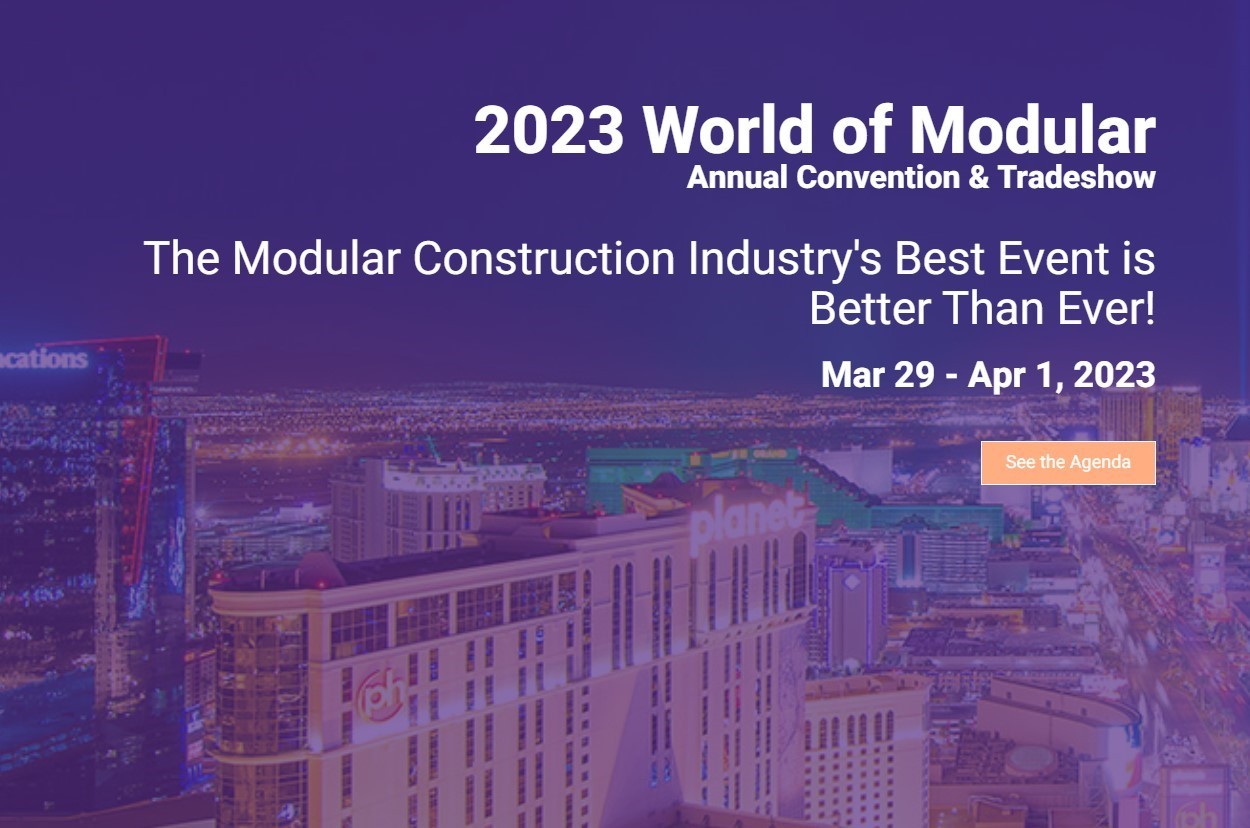
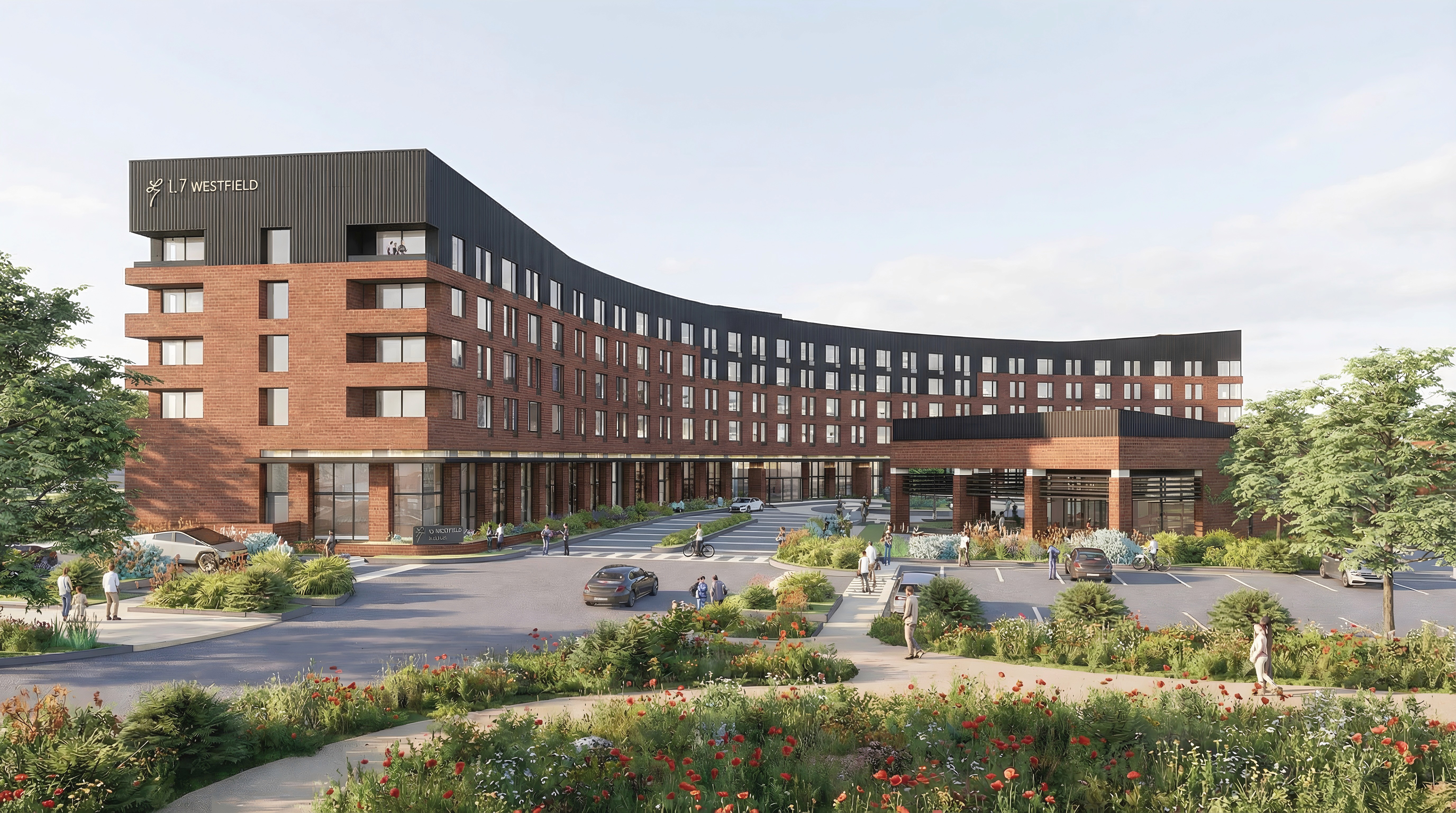
PLANM is also actively pursuing overseas expansion. The company joined the economic delegation during President Yoon Suk-yeol’s state visit to the UK last November and was selected as a G-PASS (Government Procurement Assured Service) company by the Public Procurement Service in December. G-PASS is a system that supports excellent domestic companies in entering overseas procurement markets by facilitating participation in international exhibitions and consortiums. PLANM is also in the final stages of establishing overseas subsidiaries. The company is pursuing a joint venture with the British design firm LDA (Leonard Design Architects) and plans to supply modular units to a UK education foundation to be used as a teacher training center.
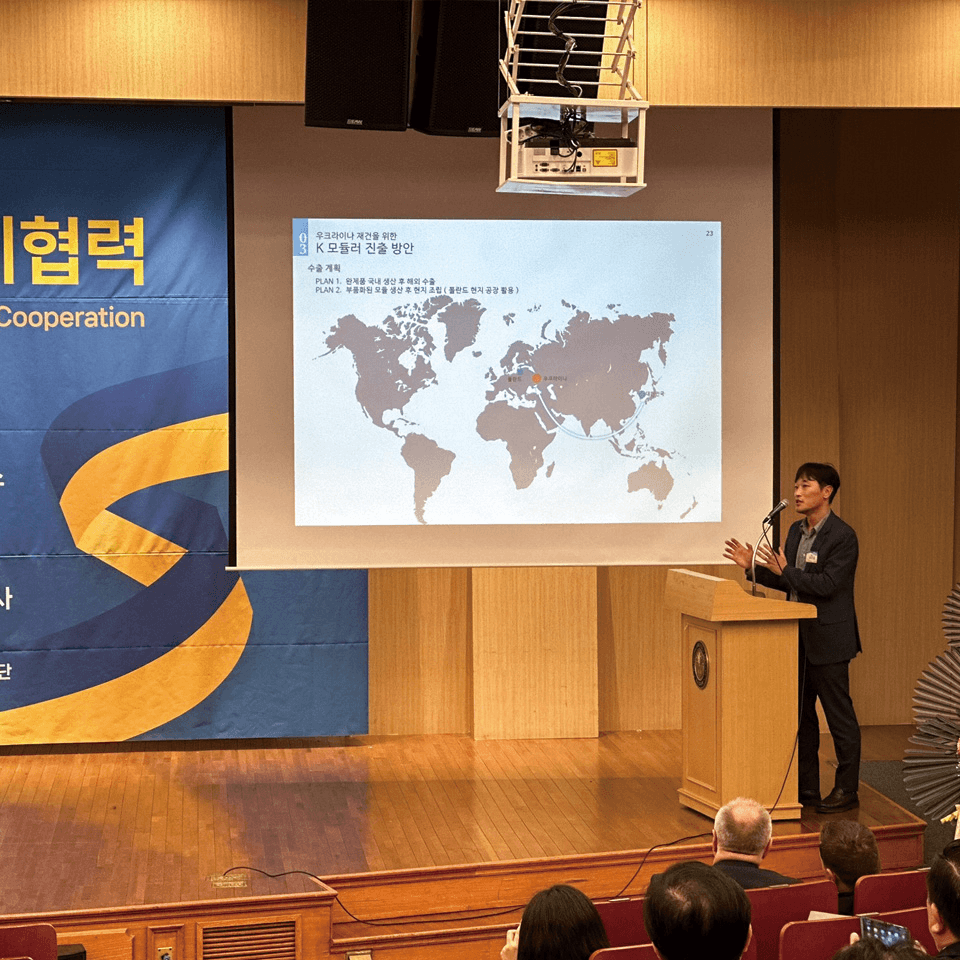
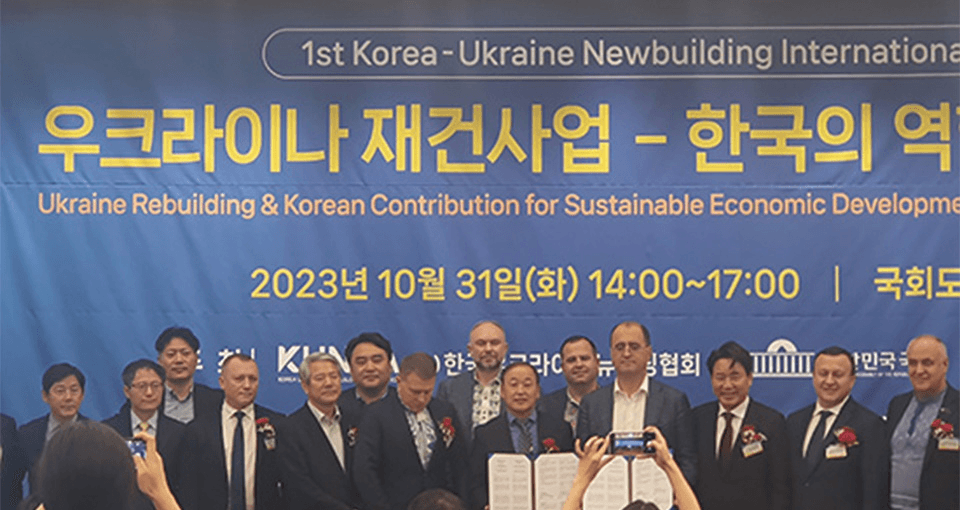
"Recently in the UK, interest in safety has spiked as over 100 schools were closed due to the risk of collapse in buildings made with Reinforced Autoclaved Aerated Concrete (RAAC). In response, the UK government is rolling out support measures for affected and aging schools. We plan to actively participate in the UK school renovation plan using the education center project as a stepping stone," Lee said. "Our goal is to expand not only into schools but also into the medical, office, and residential markets." In addition to the UK, PLANM is leading the globalization of K-Modular by participating in offset trade with the US, Ukraine reconstruction projects, and the KarlGroup modular hospital construction project in the Philippines.
◎ Growth Through Social Support, Giving Back Through Social Contribution
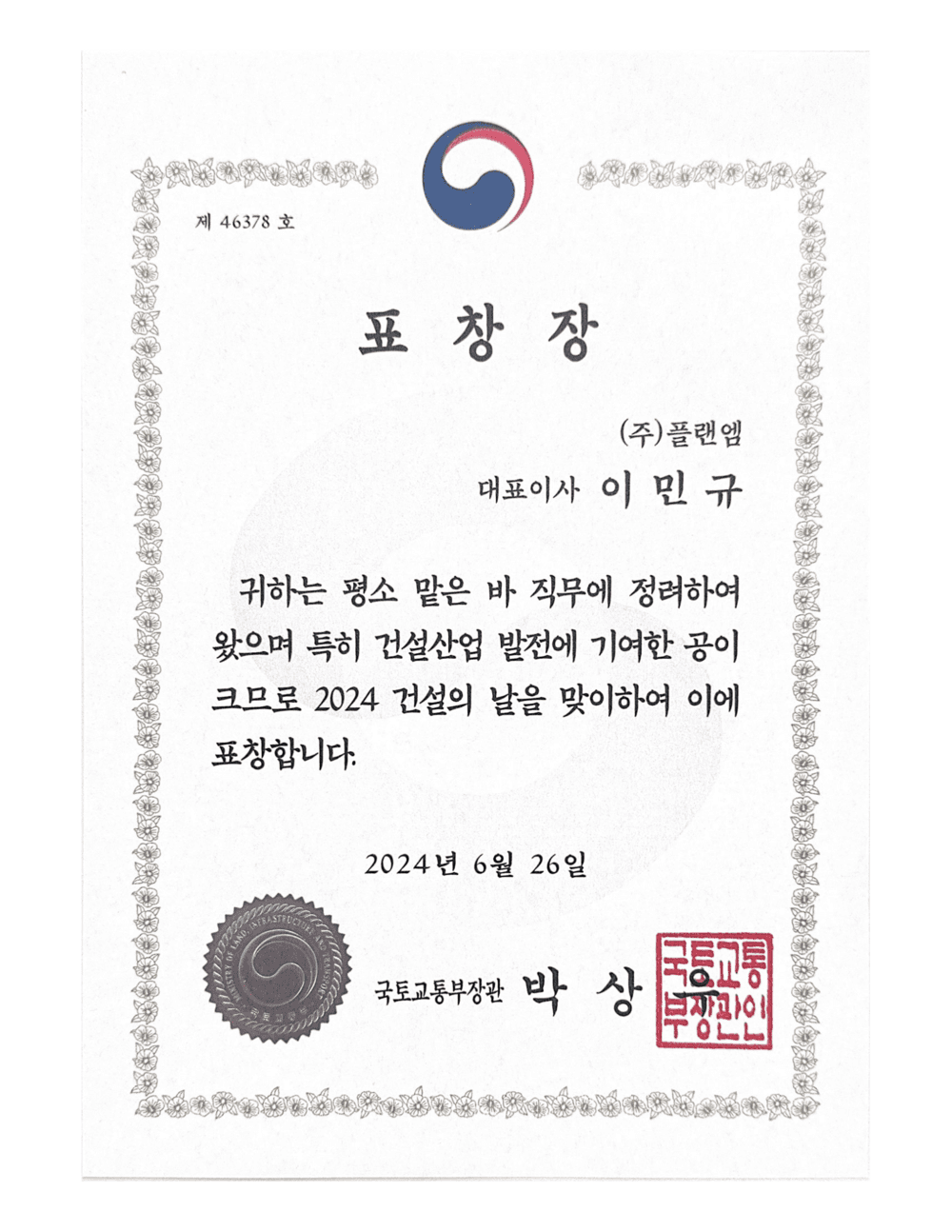
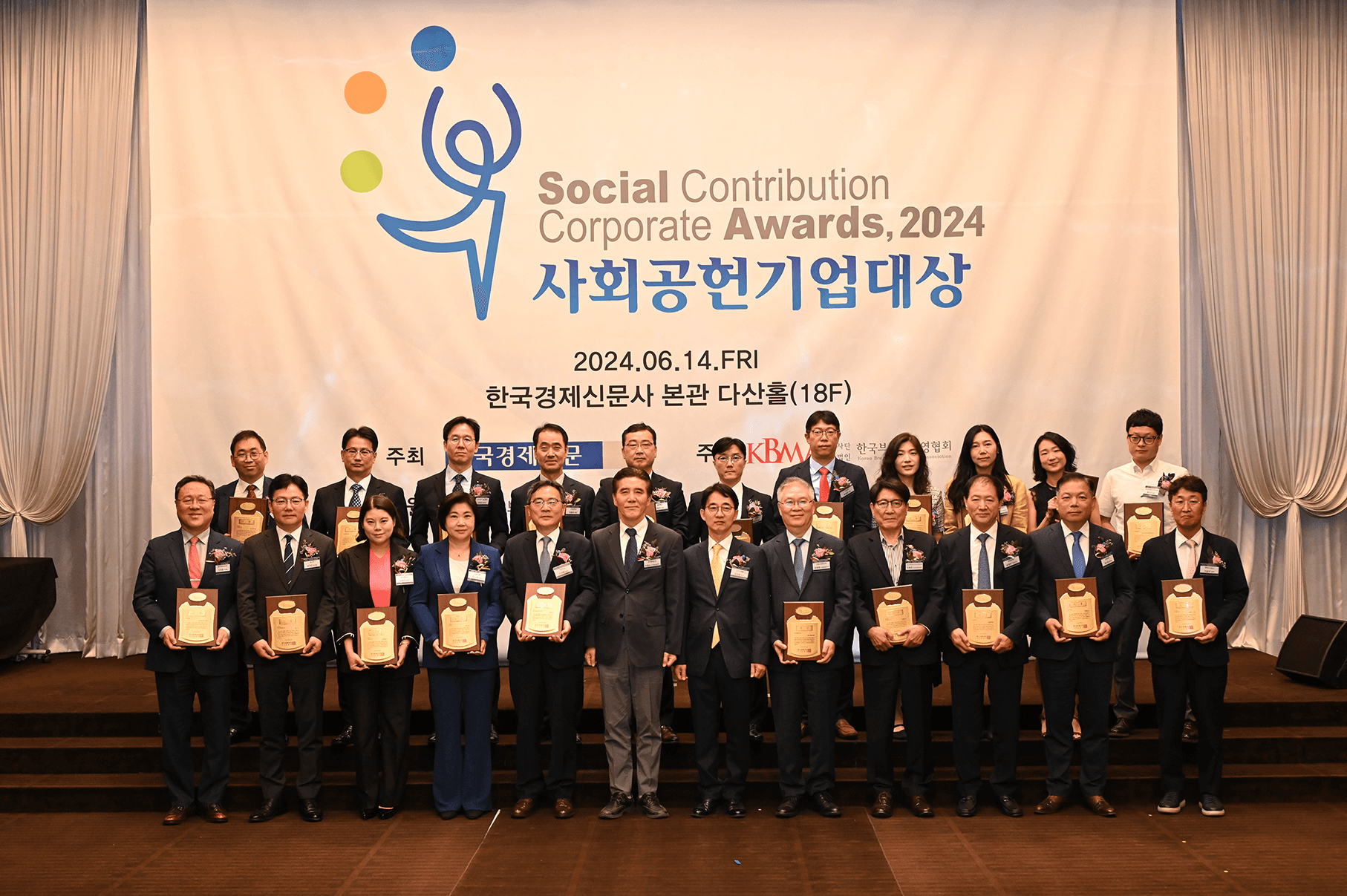
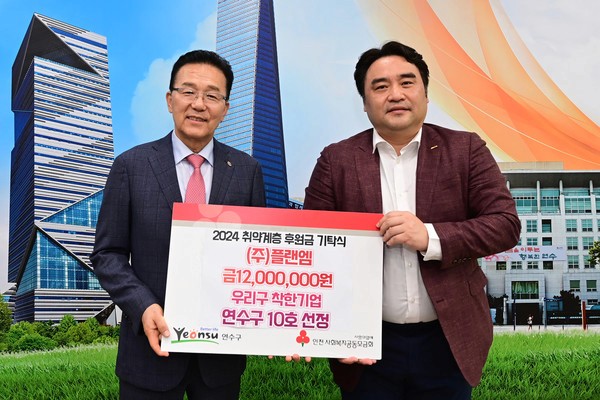
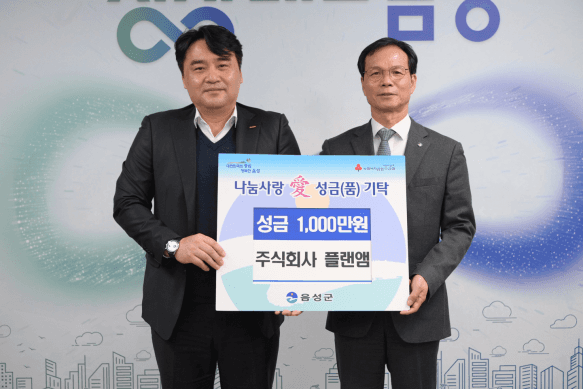
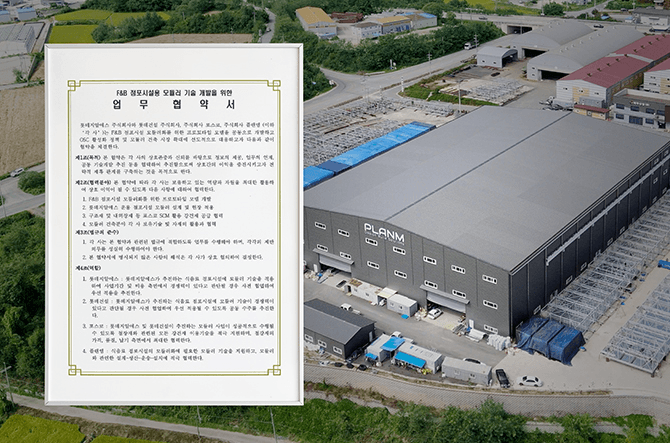
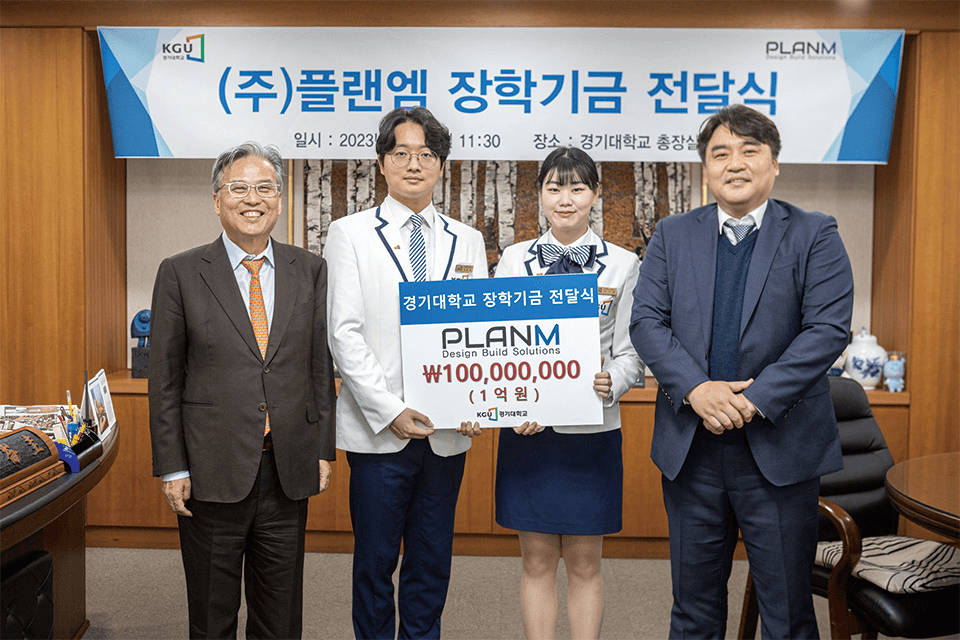
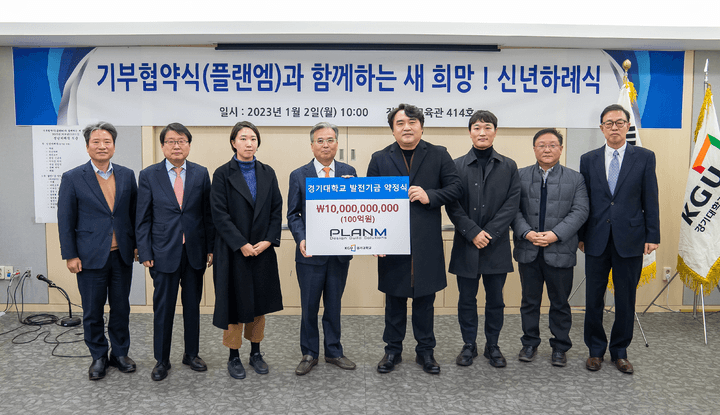
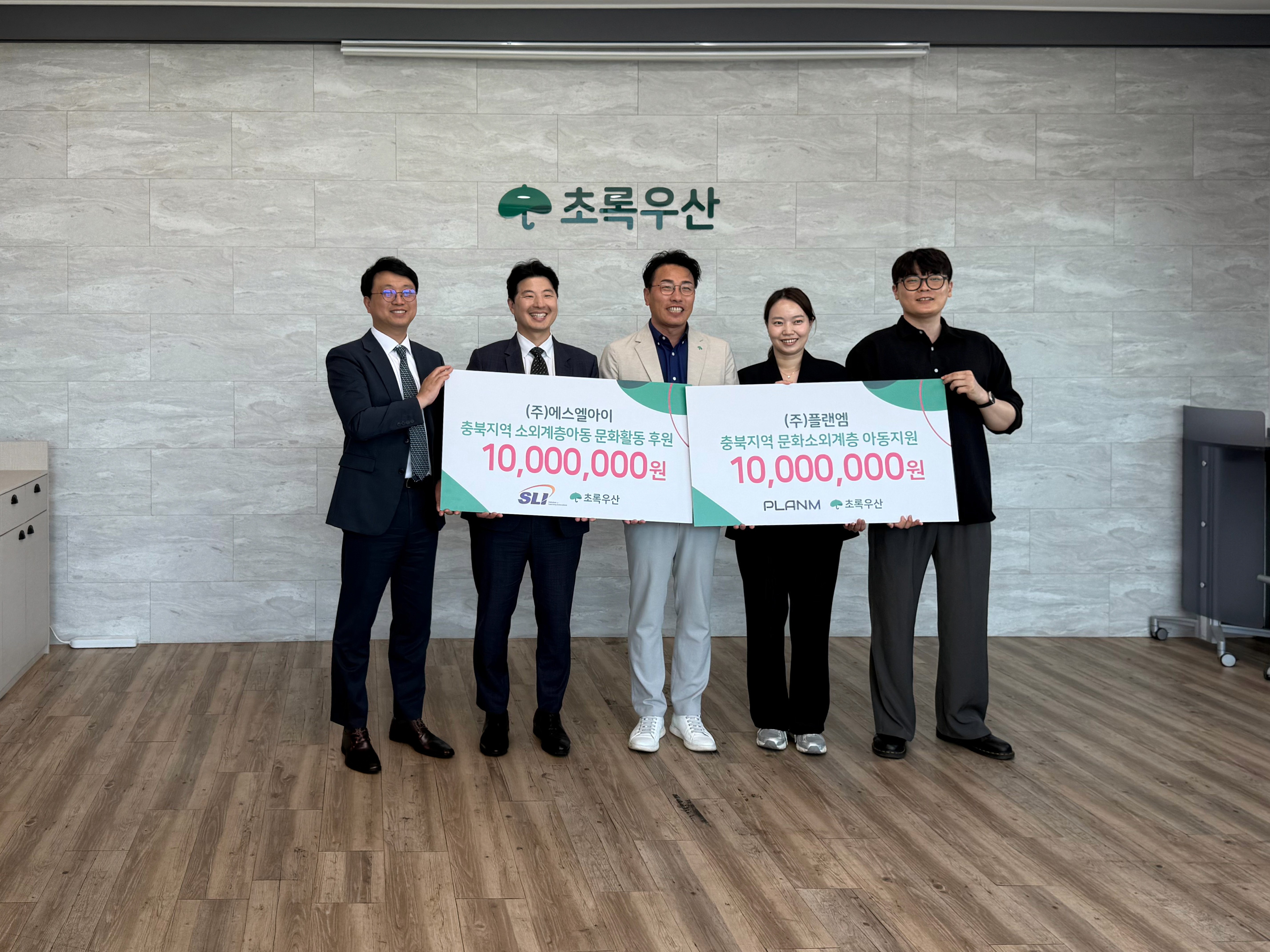
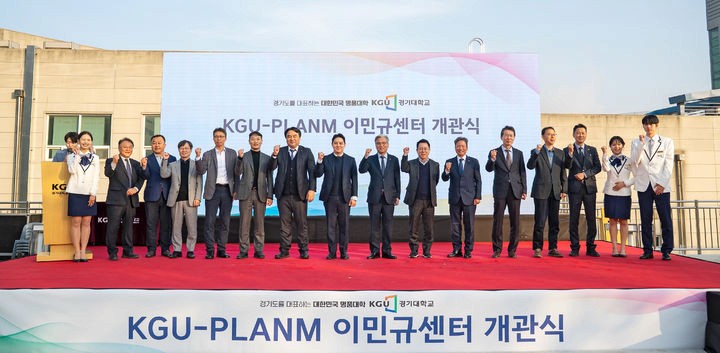
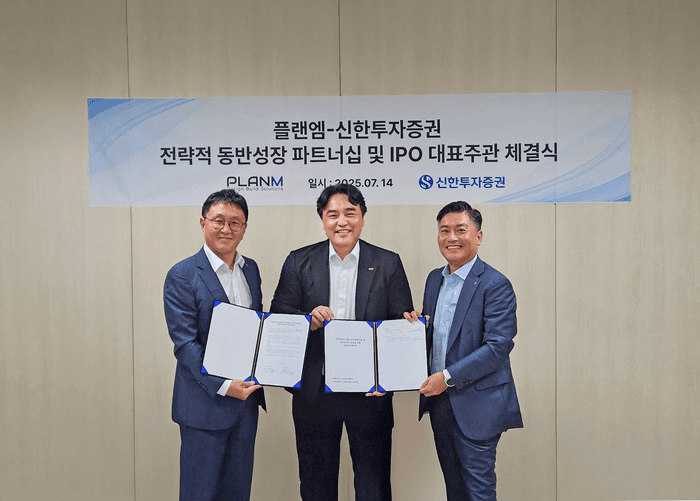
PLANM is deeply committed to social contribution. To practice a "positive social virtuous cycle," the company signed a ₩5 billion modular classroom free-lease agreement. Lee also pledged a ₩10 billion donation to his alma mater, Kyonggi University.
"The reason PLANM was able to grow so quickly is thanks to the support of our society," he said. "Because we achieved rapid growth backed by the policy support and budget of the Ministry of Education, we wanted to fulfill our corporate social responsibility by donating educational spaces to schools. We will continue to ensure that PLANM's success is consistently returned to society to keep the spirit of goodwill alive."
To practice the values of environmental friendliness, the company plans to publish an annual ESG Sustainability Report. "ESG management is a critical value for remaining competitive in the global market. In the global market, 'steel modular' is sometimes shunned because it is perceived as high in carbon emissions. However, when presented as a 'recyclable' steel modular that can be used for 40 years, people become very interested."
◎ Aligning Company Vision with Employee Vision: A Company Linked Like Modules
Lee Min-gyu says that PLANM would not exist today without its employees. "Business is ultimately about 'people.' It is a great blessing to work with good employees. Who you meet and work with is a choice you make. Currently, I am focused on aligning the company's capabilities in one direction and brainstorming the expansion of our modular expertise together with the staff. By linking PLANM’s vision with individual visions, I try to spend a lot of time researching areas where modularity can expand based on each person's expertise in design or construction." He added, "The ultimate goal is for the spaces we create to produce high added value, be places where people can spend happy times, and serve as environments where dreams can be nurtured."
When asked what he would say to young people preparing for future entrepreneurship, given his own challenges in leaving a large corporation to start a construction company, Lee said, "I want to tell future young builders to 'break free from prejudice.' It was when I broke the stereotype that buildings cannot move that I found the new opportunity in modular. Another piece of advice is to 'be the best in the field you challenge.' To become a top expert, learning is necessary, but actively participating, communicating, and building close relationships within an organization is also crucial. When everyone shares and converges their knowledge and experience, a systematic structure can be formed. Just as a building cannot be built alone, the person who grows alongside their team while maximizing their own capabilities will ultimately become the best expert."
◎ Leading Financial Support for Members of KOSCA, a Reliable Partner
CEO Lee noted that the Korea Specialty Contractor Financial Cooperative (KOSCA) was a huge help when they had won many projects but were struggling with guarantee issues. "Thanks to the cooperative, many construction companies can receive credit and run their businesses smoothly. Recently, KOSCA has entered the era of 60,000 members and has grown financially strong. Commensurate with this status, I hope they will expand guarantee limits and play a 'priming water' role to help specialty construction companies find new breakthroughs in overseas markets rather than staying only in the stagnant domestic market."
PLANM’s slogan is "Design-Build Solution." This reflects their determination to move beyond traditional frameworks by integrating architectural design, structural design, R&D, factory production, and site construction, as well as their effort to infuse design innovation into their products. Just as PLANM has provided comfortable and safe spaces for children who will shape the future of Korea through school modularity, we hope the company continues to grow the modular market in various ways and serves as the priming water for the globalization of K-Modular.