[EngJournal] The Era of High-Rise Steel Modular Construction: Combining Structural Stability with Recyclability
By Reporter Jeon Chan-min
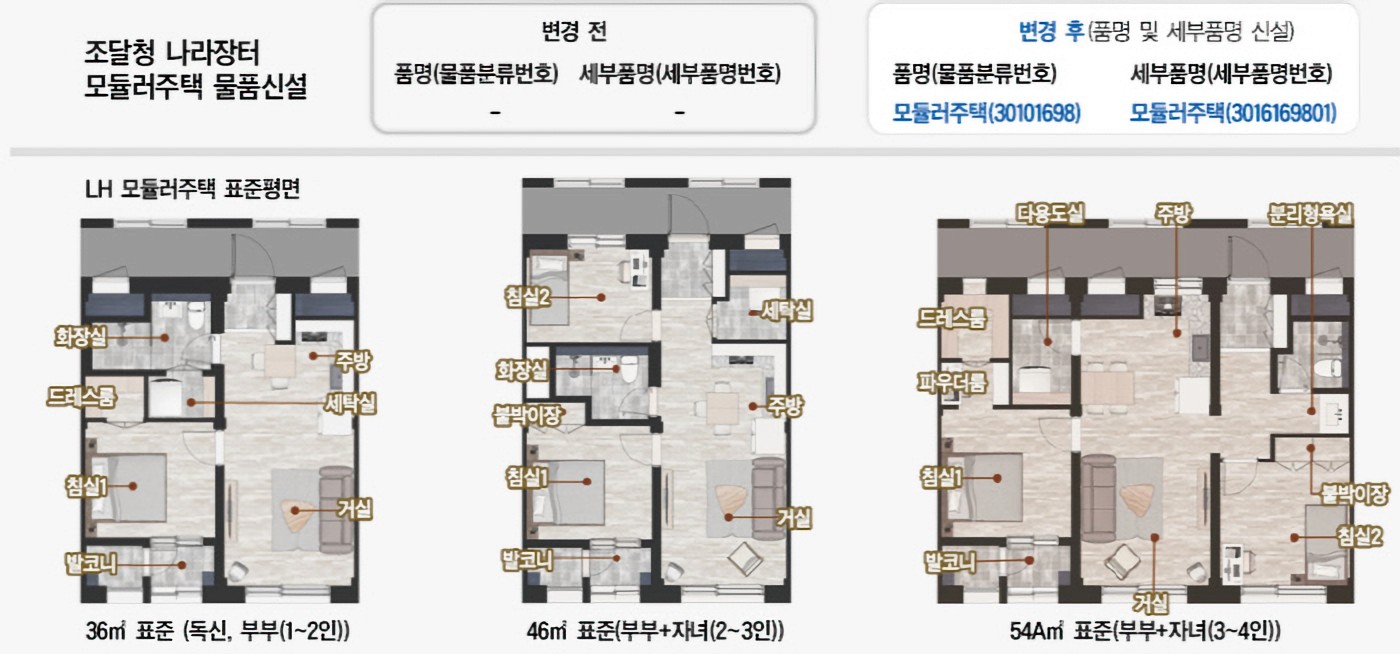
According to the Korea Iron & Steel Association and the Research Institute for Construction Policy (RICON), the domestic modular construction market is projected to grow to approximately 2 trillion KRW by 2030. Furthermore, the government’s latest housing supply expansion plan has formalized modular construction as a key means to achieve both rapid supply and eco-friendly effects. The application of modular systems in the residential market is now in full swing through pilot projects for multi-family housing in the Seoul metropolitan area, the establishment of construction cost guidelines, and institutional reforms.
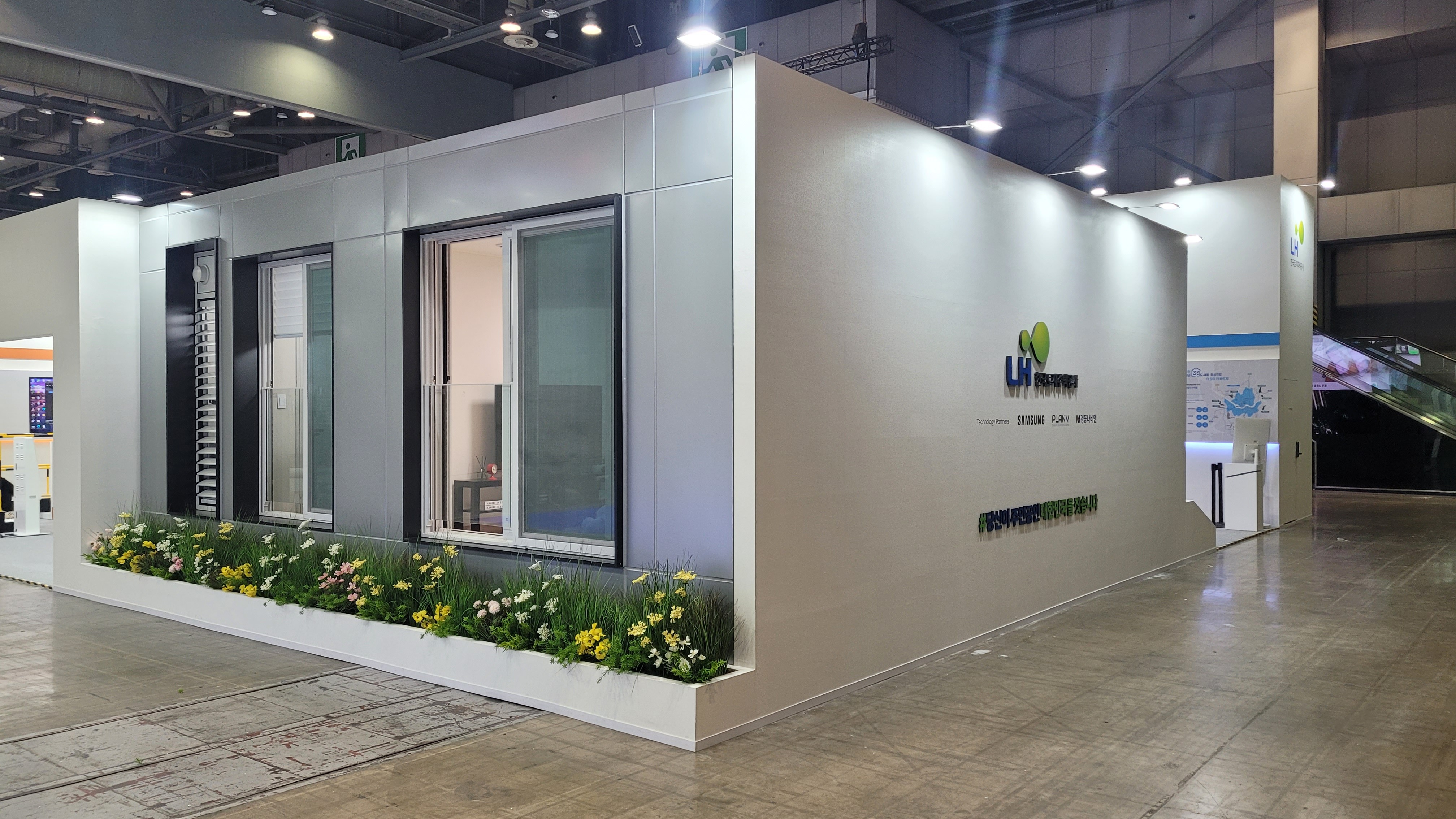
The recently announced "9.7 Real Estate Policy" is particularly noteworthy, detailing a housing supply expansion plan to build 250,000 new homes annually—totaling 1.35 million homes by 2030—led by public entities such as LH (Korea Land & Housing Corporation). Plans to order more than 10% of public housing volume through modular methods are accelerating the growth of the domestic market. When combined with the mandatory adoption of OSC (Off-Site Construction) methods and institutional support, modular construction is expected to shift from a supplementary method to the core of the construction industry.
As this modular ecosystem takes shape, domestic research institutes and universities are developing modular technologies and institutional foundations. Specialized modular companies are also advancing their methods based on material characteristics such as timber, precast concrete (PC), and steel. However, there are distinct differences in the advantages and application ranges of each material.
Timber modular systems are widely used in low-rise residential markets in North America and Northern Europe due to their excellent eco-friendliness and insulation. However, they face limitations in securing fire resistance and durability, restricting their use in high-rise or large-scale urban housing. PC (Precast Concrete) modular systems offer superior durability and fire resistance, making them highly utilized in public buildings and large facilities. Yet, they face significant physical constraints during transportation and installation due to their weight, making high-rise implementation difficult.
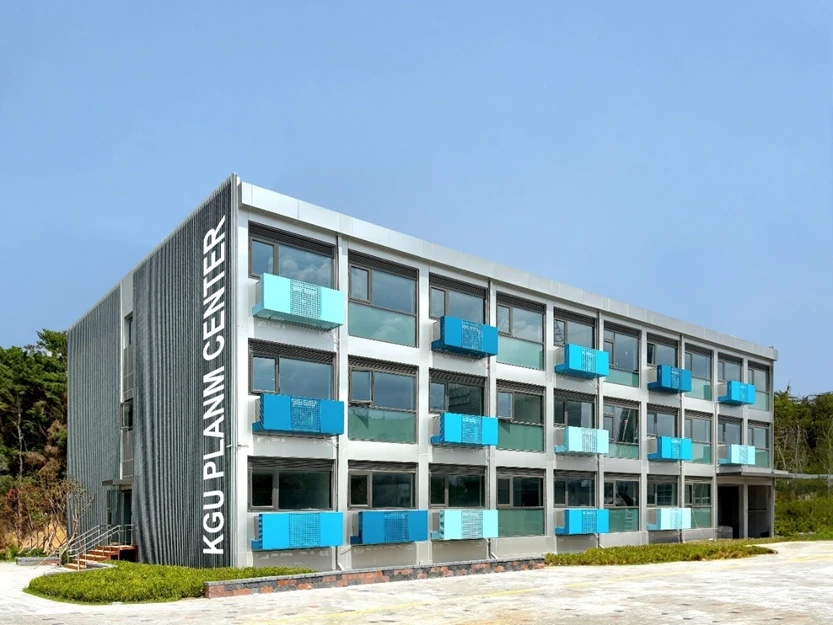
In contrast, Steel modular systems are advantageous for high-rise buildings due to the high structural stability and seismic performance inherent in steel structures. By adopting a Ramen (rigid-frame) structure and dry-wall system, they offer superior flexibility in floor plans and variability. Steel is also renowned for its exceptional recyclability, making it a premier method for achieving carbon neutrality and environmental sustainability. In Korea, starting with school modulars in 2002, steel modular technology has undergone over 20 years of R&D and pilot projects involving industry, academia, and government, and is now being actively applied to mid-to-high-rise apartments.
PLANM Co., Ltd. has also grown on the foundation of the school modular market. During this process, PLANM's most critical challenge was establishing a "Re-locatable Building" system—one that maintains the performance of a permanent structure (PMC method) but can be disassembled, moved, and reinstalled after a certain period of use, rather than being a one-time installation.
After evaluating various construction methods to address this challenge, PLANM concluded that Steel Modular was the most rational choice. It stably maintains structural performance even after repeated use and aligns with sustainable architecture due to its high recyclability. Consequently, PLANM standardized modular interfaces and production processes, building a factory-based system that has paved the way for the industrialization of modular architecture.
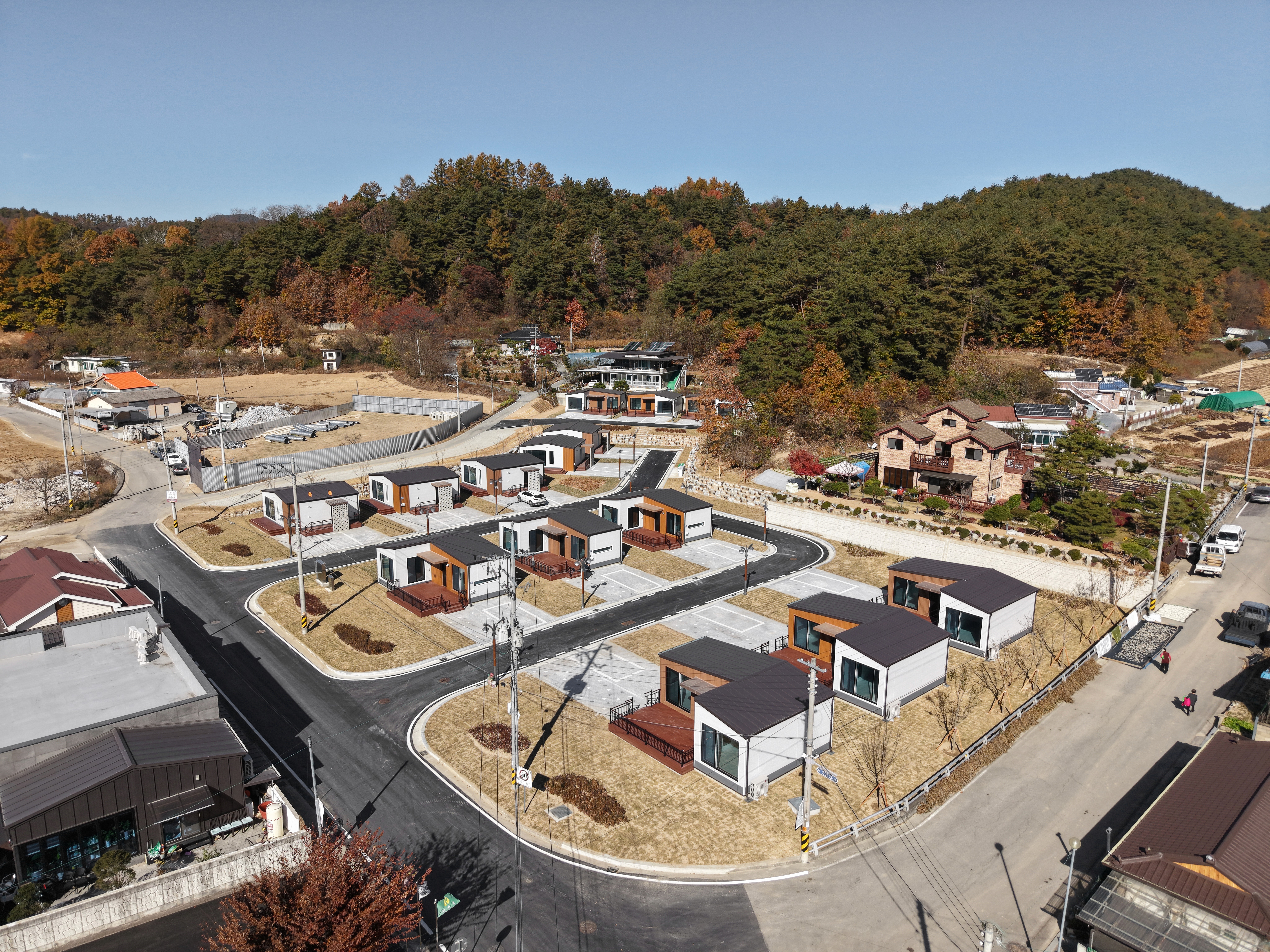
PLANM’s technological innovations in the eco-friendly modular sector have led to successful deliveries to schools across 17 provinces via the PPS (Public Procurement Service) Nara Marketplace. Having proven its product excellence, the company is now executing steel modular projects in diverse sectors beyond education, including residential and medical fields.
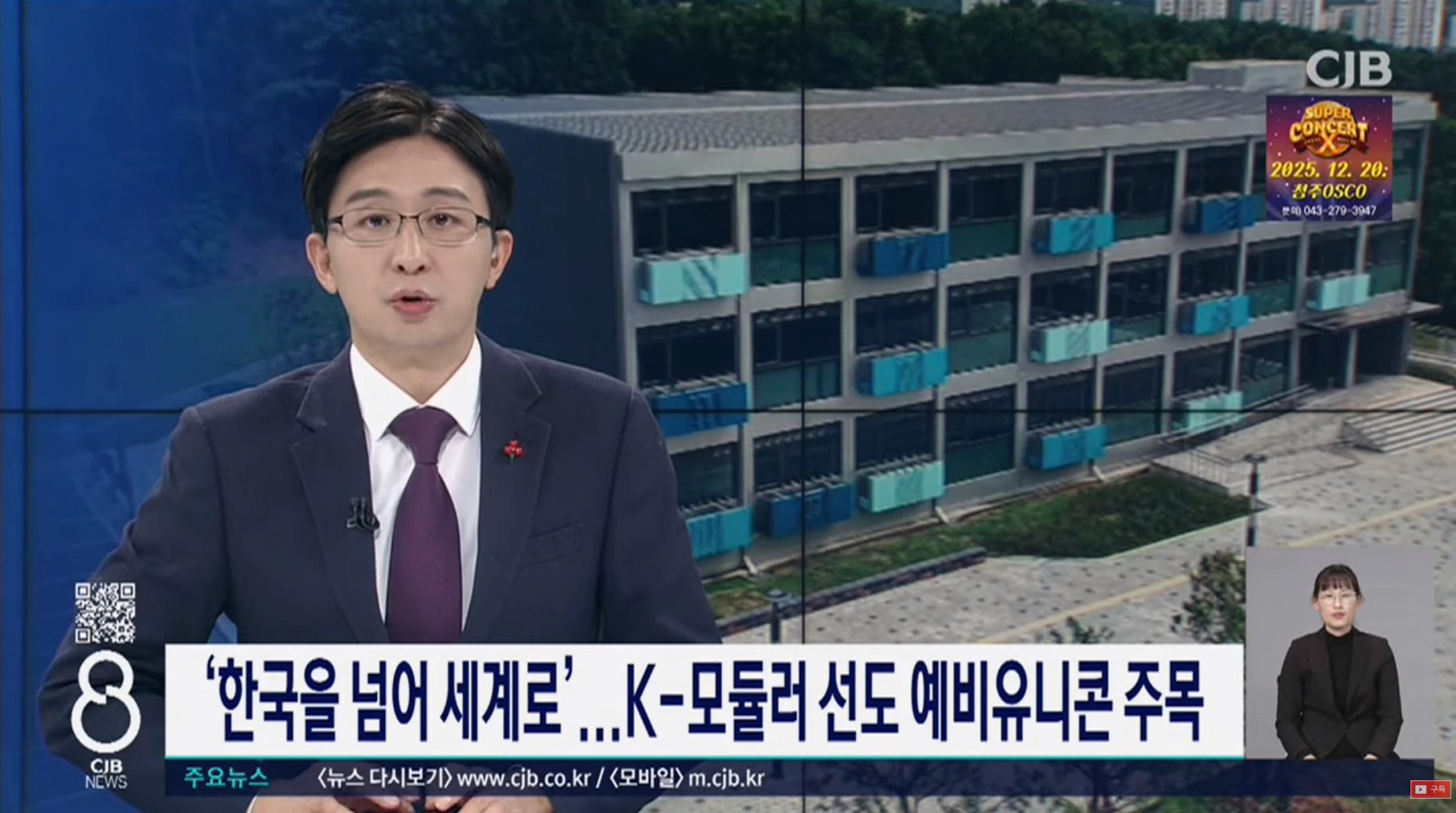
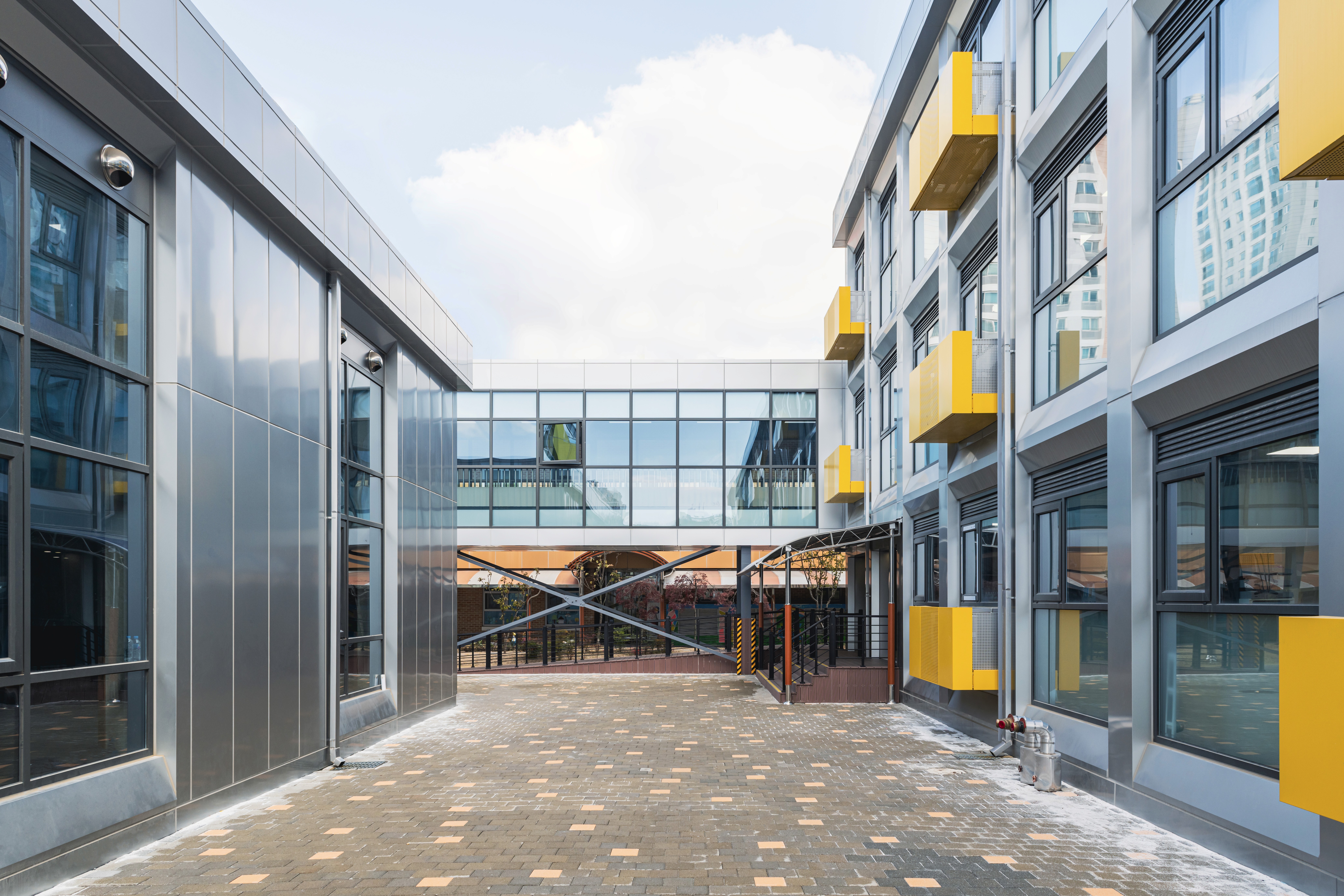
In educational facilities, PLANM has verified its standardized design and manufacturing technology through more than 170 project references. Notably, the Cheongju Naegok Elementary School modular project—which boasts permanent performance in line with Green Building Certification—won the Top Prize at the 2023 Korea Civil Engineering & Construction Technology Grand Prize. This marked the first time a modular method received this honor, serving as a landmark case for eco-friendly modular architecture.

[EngJournal] PLANM: Leading the Global OSC Market with High-Rise Technology and Design Excellence
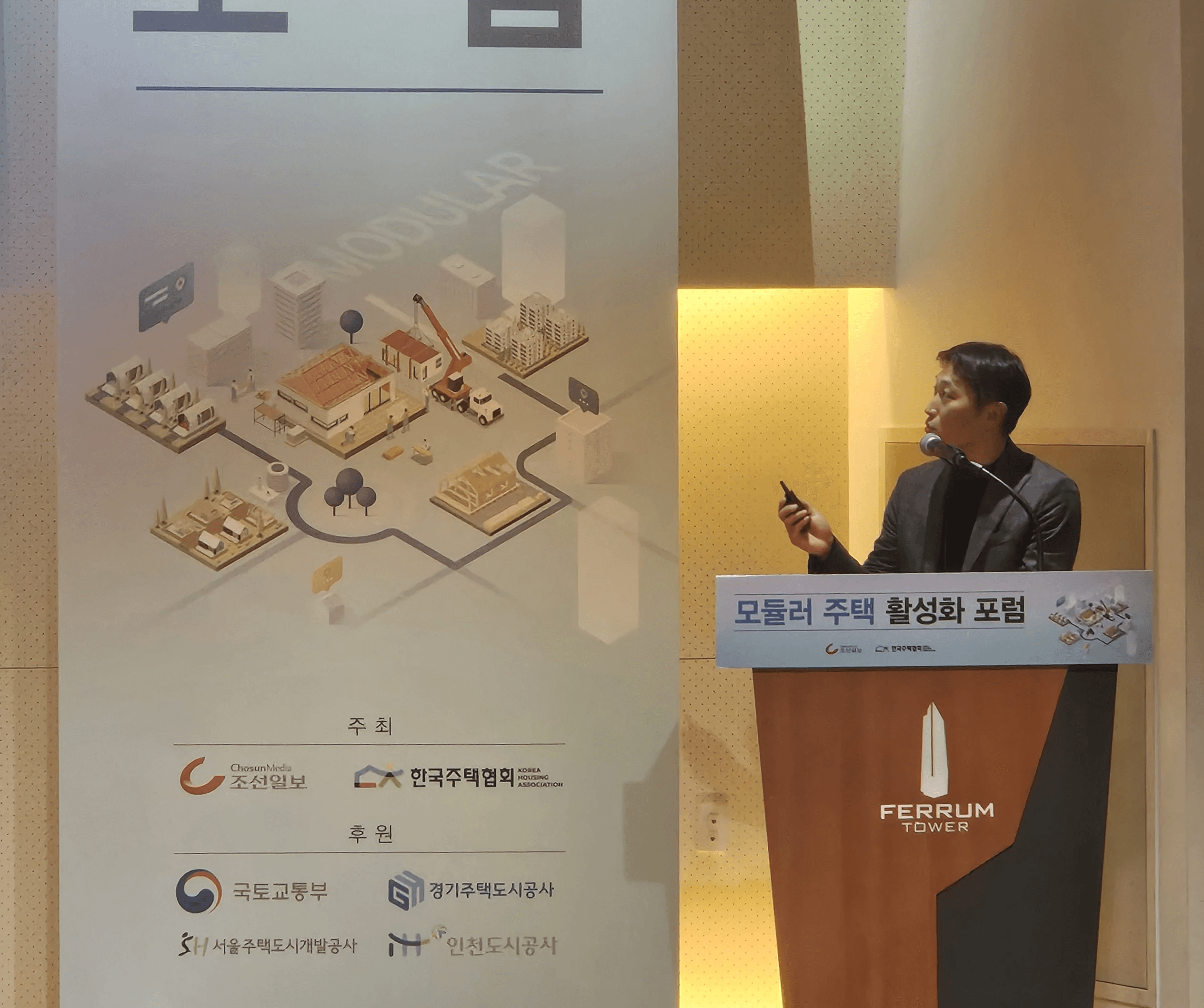
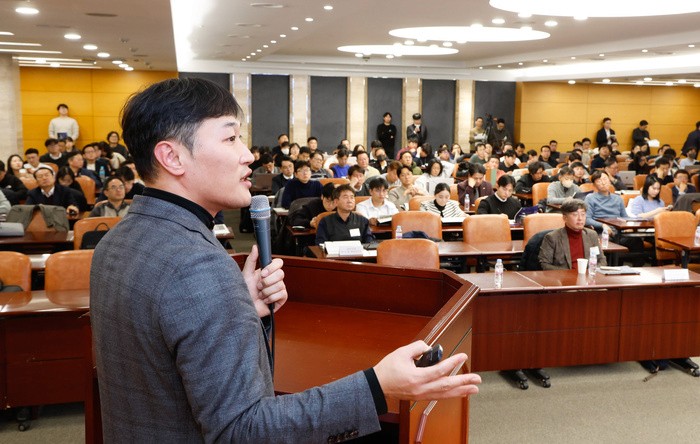
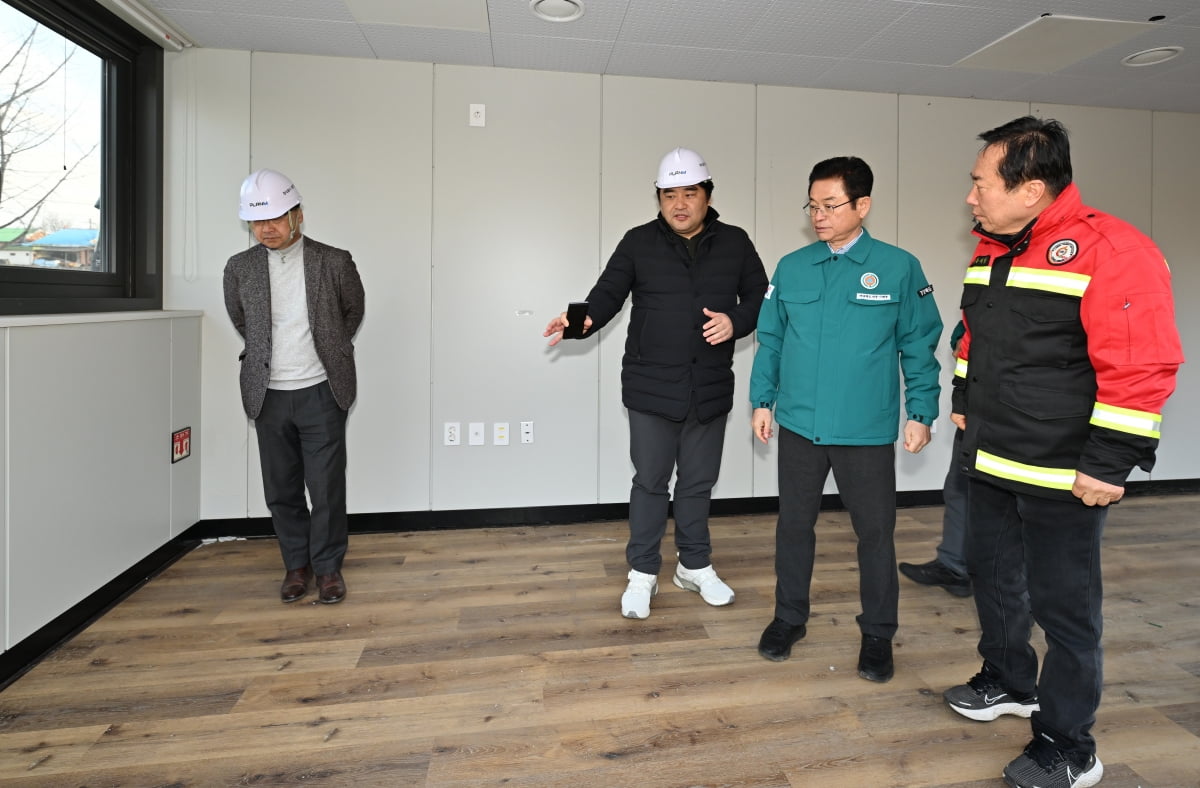
Song Kyung-seop, Vice President of PLANM (pictured), stated, “The modular classrooms at Cheongju Naegok Elementary School were rapidly installed within a short five-month period to resolve overcrowding in a new city. It is the first project specifically designed to be relocated to another school once the student population decreases after ten years of use.” He added, “This case presents an innovative paradigm where modular buildings can be relocated and recycled, and it has been highly recognized for its excellence in reducing the national budget and promoting environmental sustainability.”
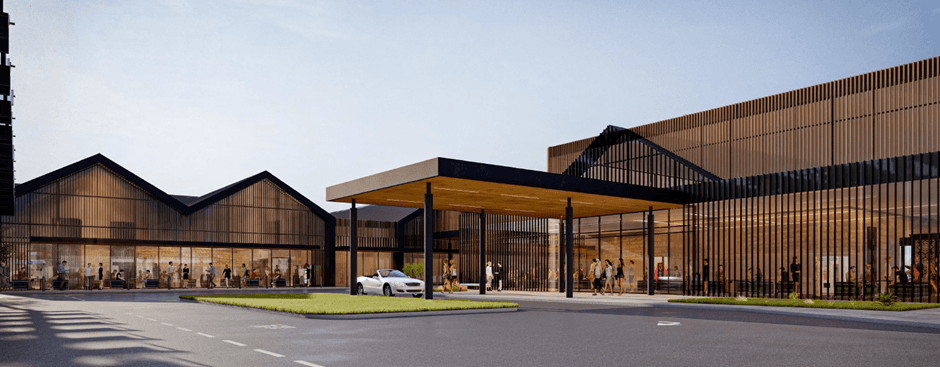
Building on technology verified through diverse projects such as schools, dormitories, and multi-family housing, PLANM is currently advancing modular joining technologies essential for high-rise construction, aiming to respond to urban housing and hotels. In particular, the company is developing high-rise technologies in collaboration with world-class modular engineering partners such as Brydenwood and HTA. Based on these partnerships, PLANM plans to strengthen its competitiveness in the super-high-rise modular sector, moving beyond the domestic market into the global arena.
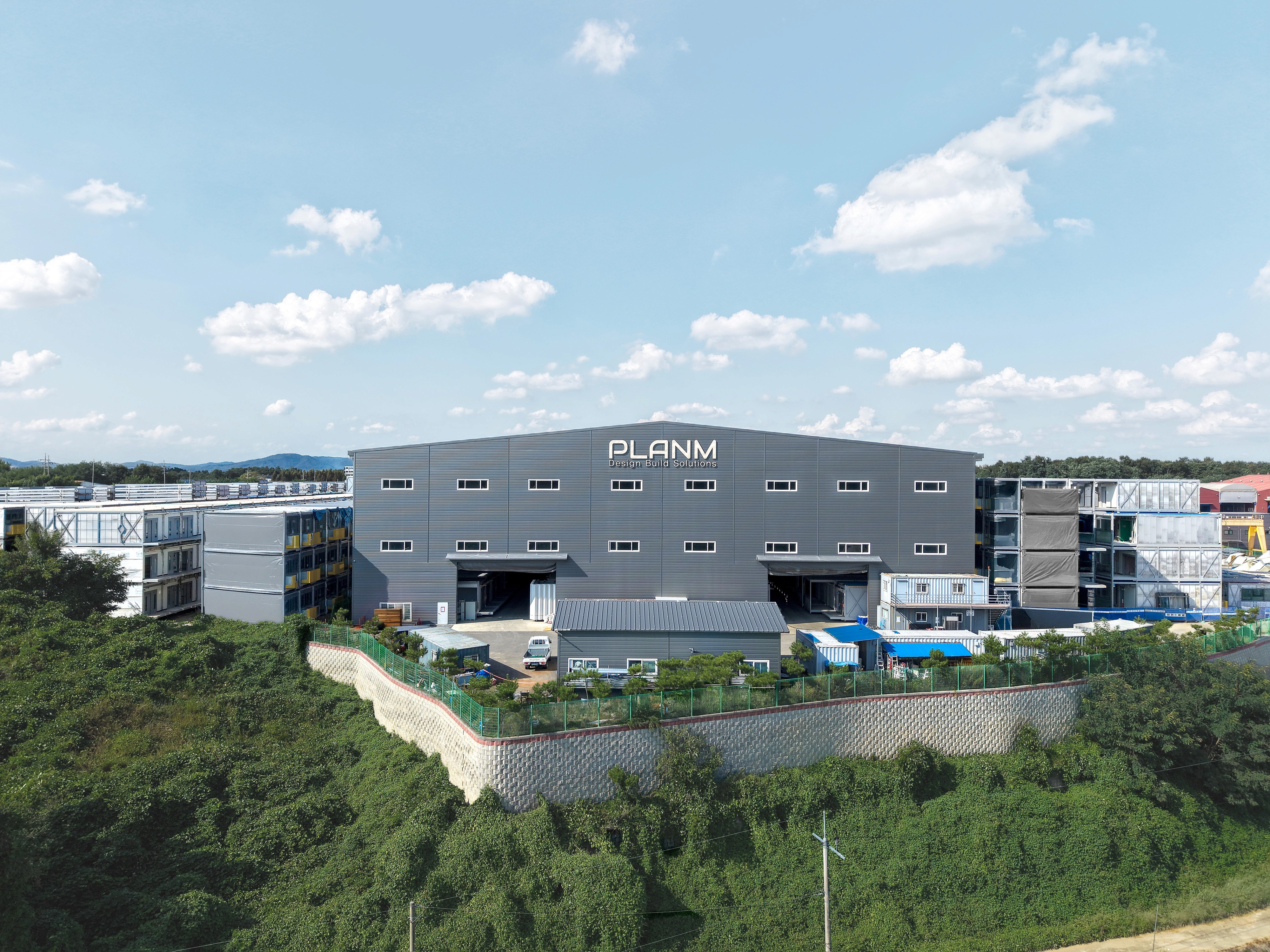
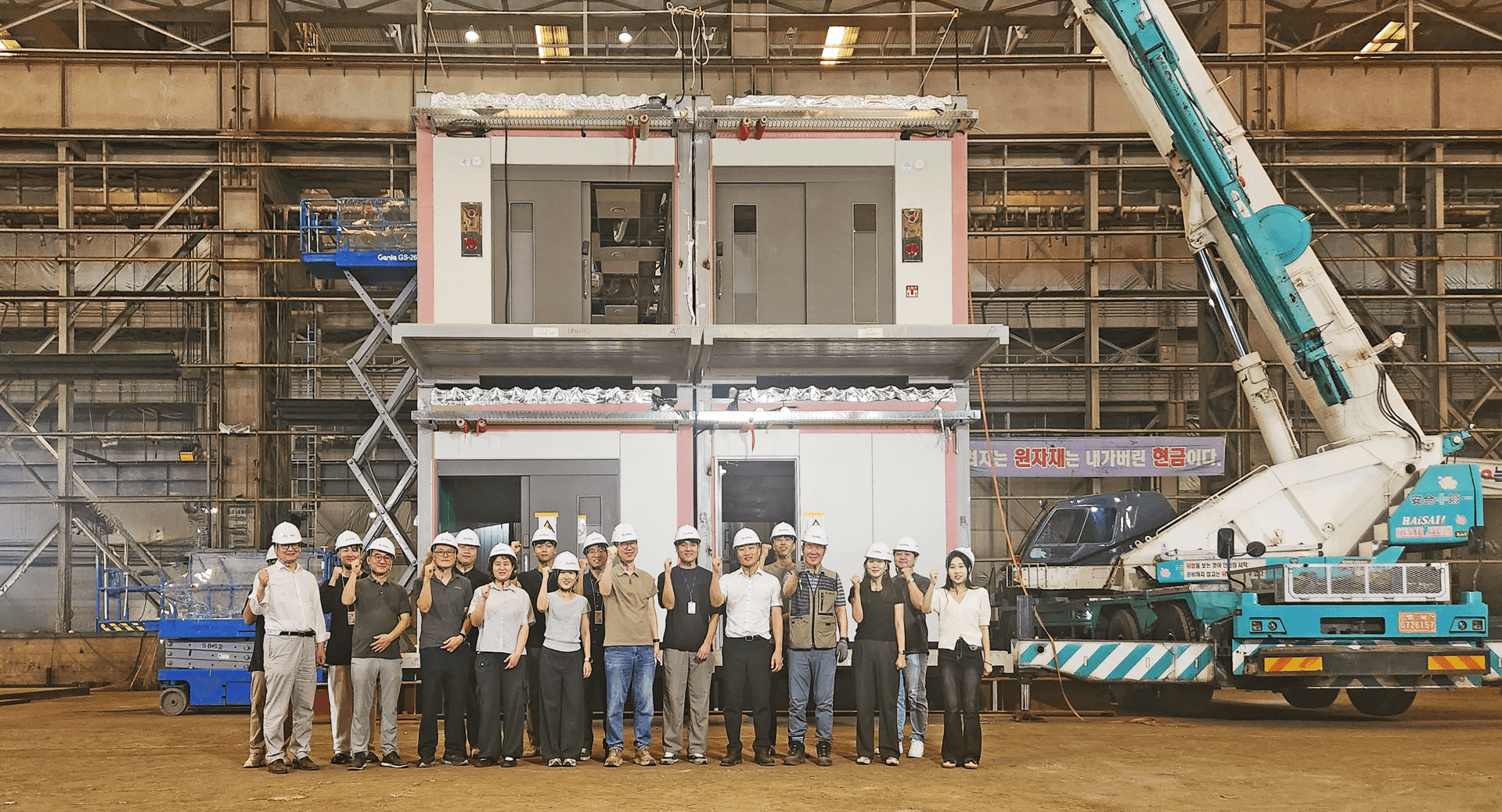
The primary driving force behind PLANM’s role in rewriting the history of modular construction is its possession of Korea’s largest dedicated modular factory, along with a ‘One-stop Solution System’ that handles everything from structural fabrication to interior and exterior finishing. This integrated capability allows the company to minimize variables during on-site construction, simultaneously achieving shortened construction periods and uniform quality. PLANM provides comprehensive services across the entire lifecycle, including design, manufacturing, installation, maintenance, and reuse.
As the domestic modular market rapidly transitions from low-rise to high-rise structures, PLANM is upgrading structural performance—including fire resistance, seismic safety, and soundproofing—and is intensifying the development of high-rise OSC (Off-Site Construction) technologies in cooperation with government agencies. Furthermore, through joint research with Ajou University and POSCO, the company successfully completed structural performance tests for high-rise modular joints and obtained fire safety certification through Korea's first full-scale fire resistance test.
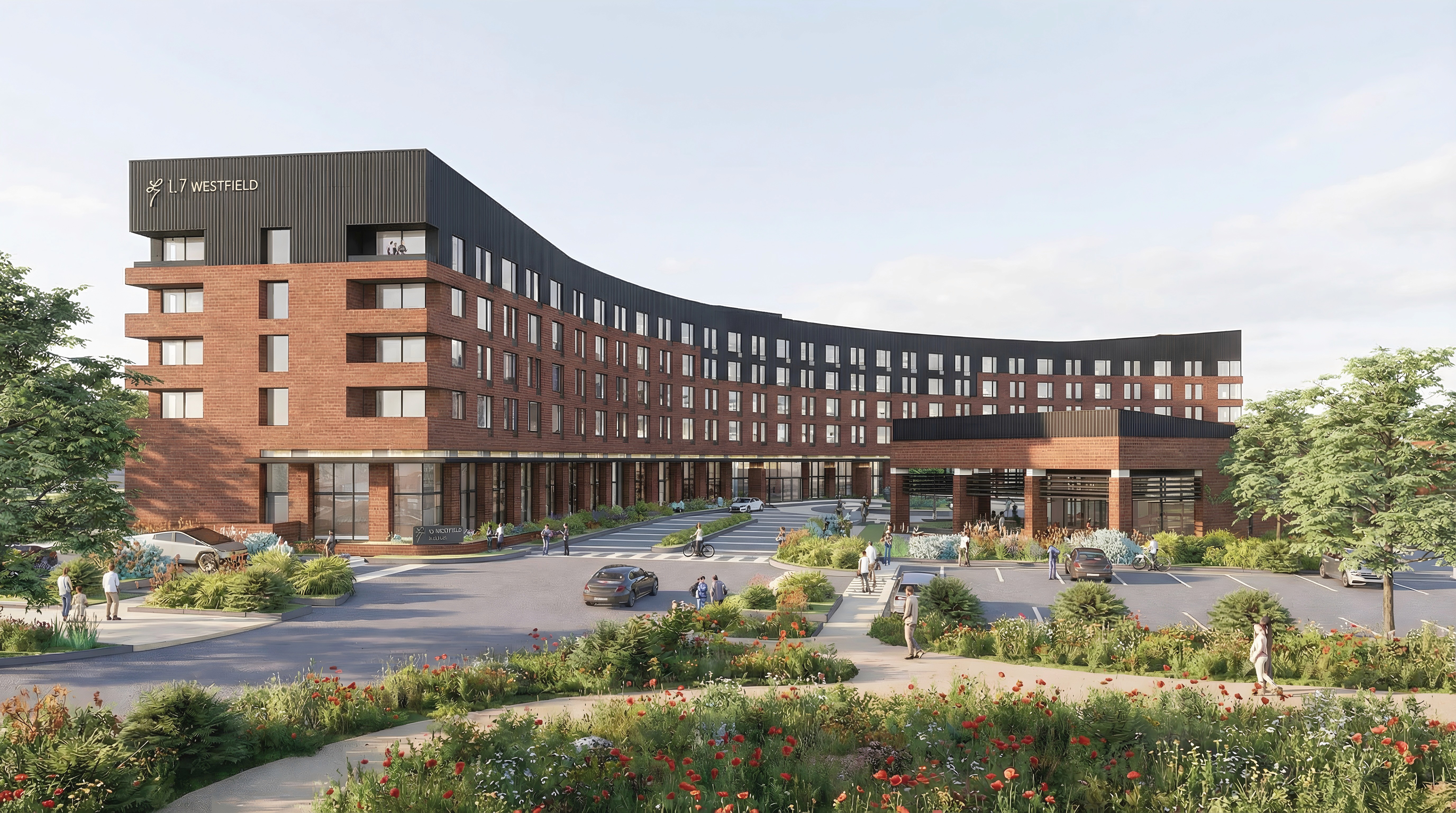
“To strengthen our competitiveness in the global market, we are targeting regions with high demand for high-rise structures, such as North America, Europe, and the Middle East. Recently, we secured a contract for the Lotte L7 Hotel in Arizona, USA, and are currently proceeding with the design and certification process,” said Vice President Song. He continued, “As the construction market, currently stagnant due to rising labor costs, a shortage of skilled workers, and unsafe on-site environments, faces a period of great transformation, PLANM will focus on our three strategic pillars: ‘High-rise, Standardization, and Internationalization.’ We plan to grow as a leading company that supports domestic housing policies and provides sustainable urban infrastructure solutions abroad.”
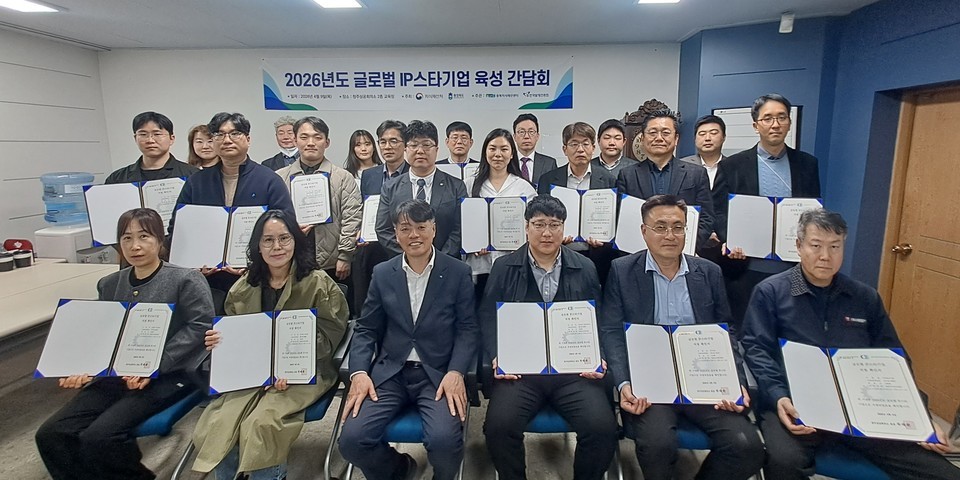
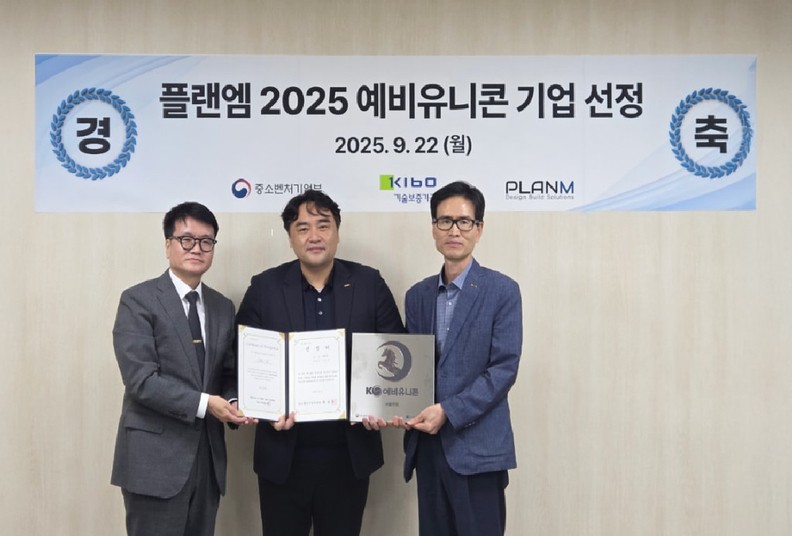
He added, “In recognition of this growth potential, we were selected this year as a ‘Preliminary Unicorn’ (a company with the potential to reach a valuation of 1 trillion KRW). Empowered by this achievement, PLANM will continue its efforts to lead the global OSC architectural sector with a philosophy of creating urban beauty through superior design, while maintaining safety and functionality.”
Copyright © EngJournal. Unauthorized reproduction and distribution prohibited.