[Daehan Economy] "Satisfied 2-Hour Fire Resistance Standards."
[Reporter Kim Min-su] On the 14th, at the Fire Testing Research Center of the Korea Conformity Laboratories (KCL) in Samcheok, Gangwon Province, voices announced the success of a full-scale fire resistance performance test for modular construction.
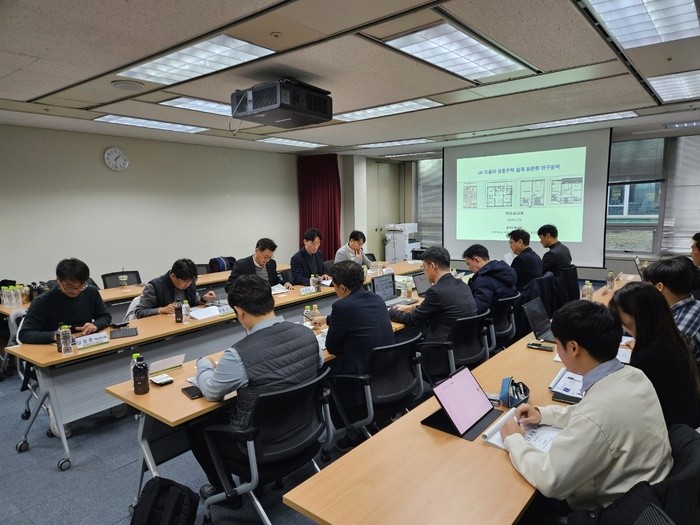
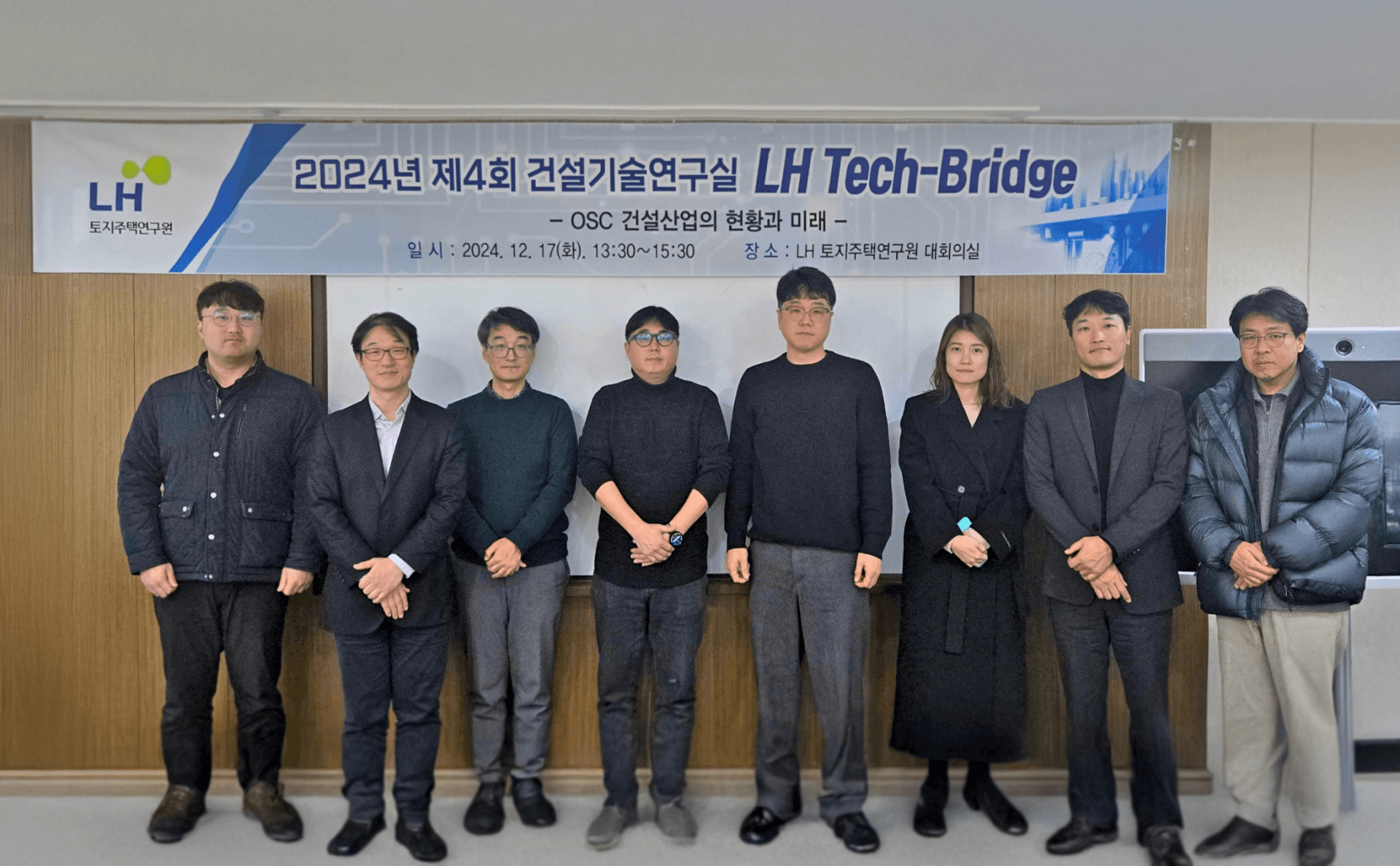
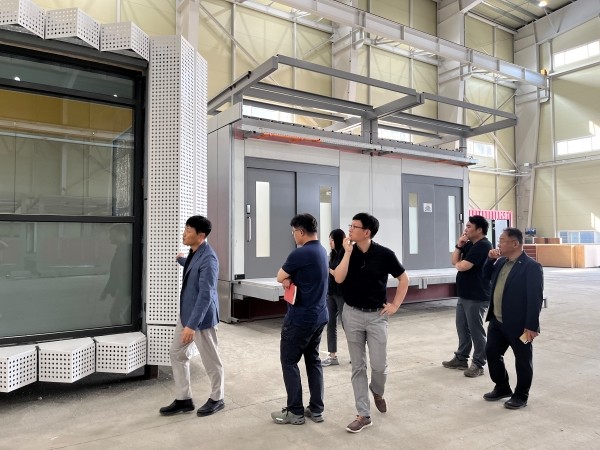
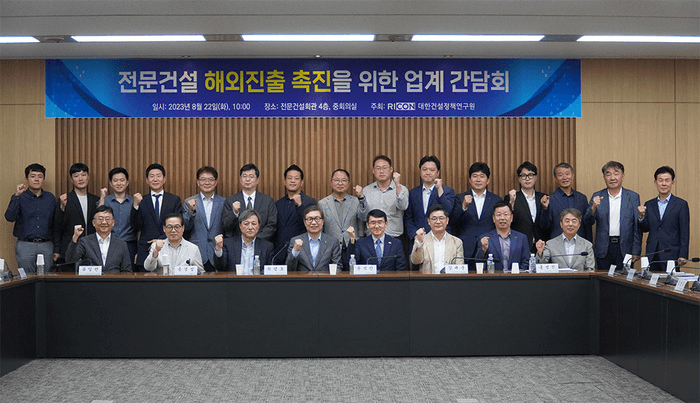
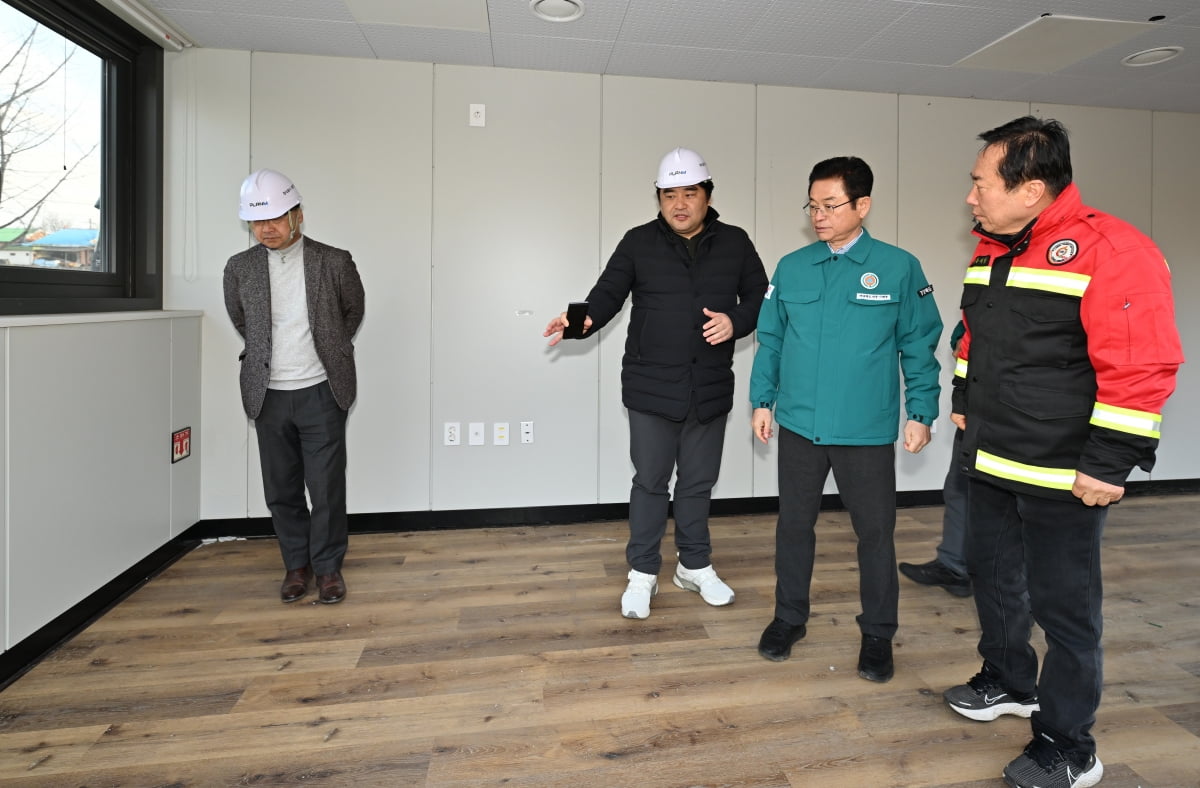
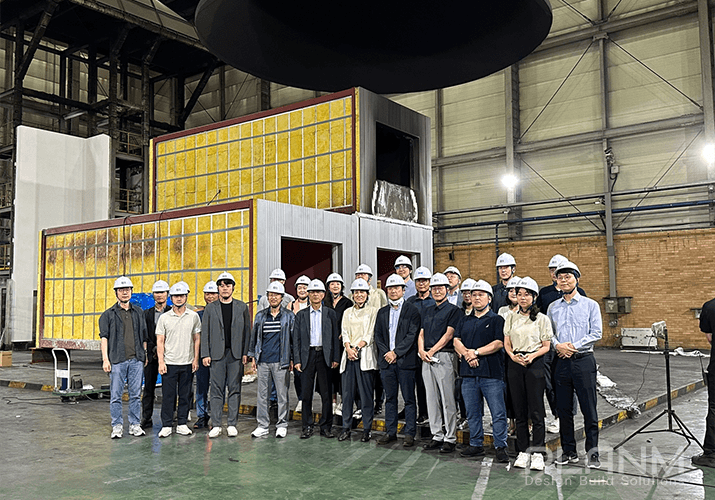
A public full-scale fire resistance test, led by POSCO, was conducted to review the fire safety of modular methods. The experiment was attended by officials from the Ministry of Land, Infrastructure and Transport (MOLIT) and the Korea Institute of Civil Engineering and Building Technology (KICT)—who oversee the fire resistance certification system—as well as members of the Korean Society of Steel Construction, construction firms, modular manufacturers, and refractory producers. Attendees observed the test and shared various ideas for improving the certification system.
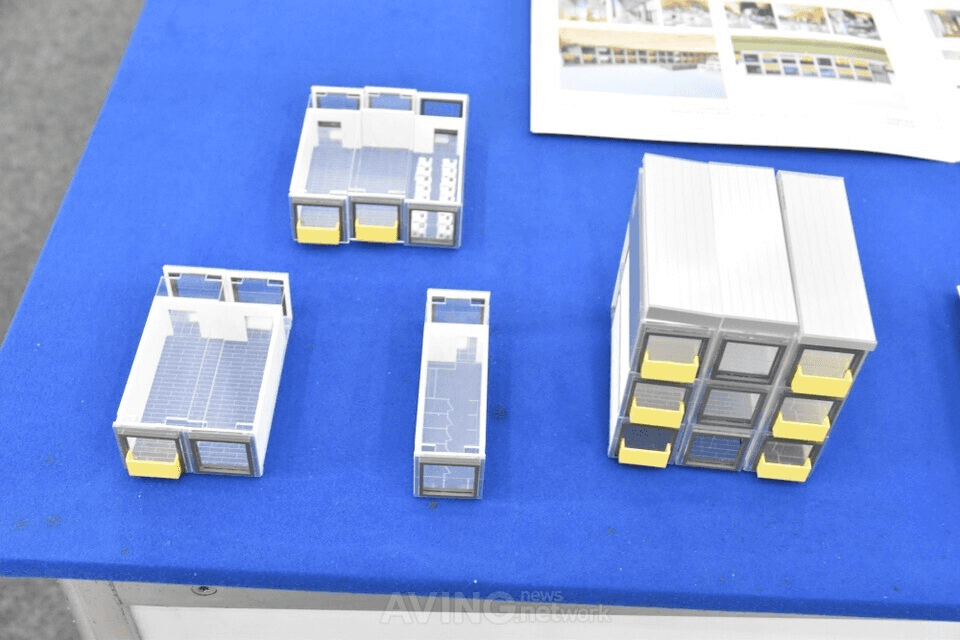
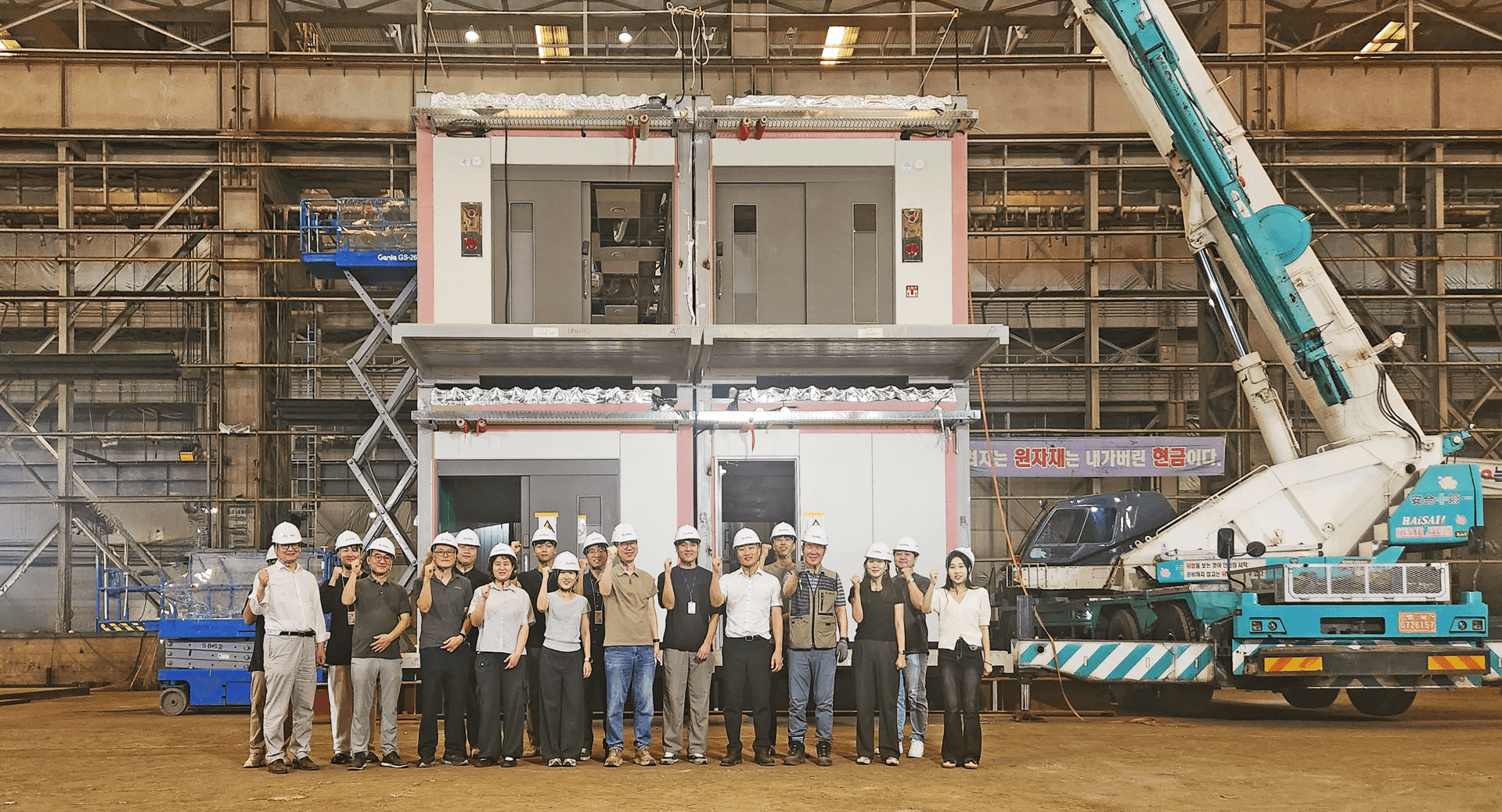
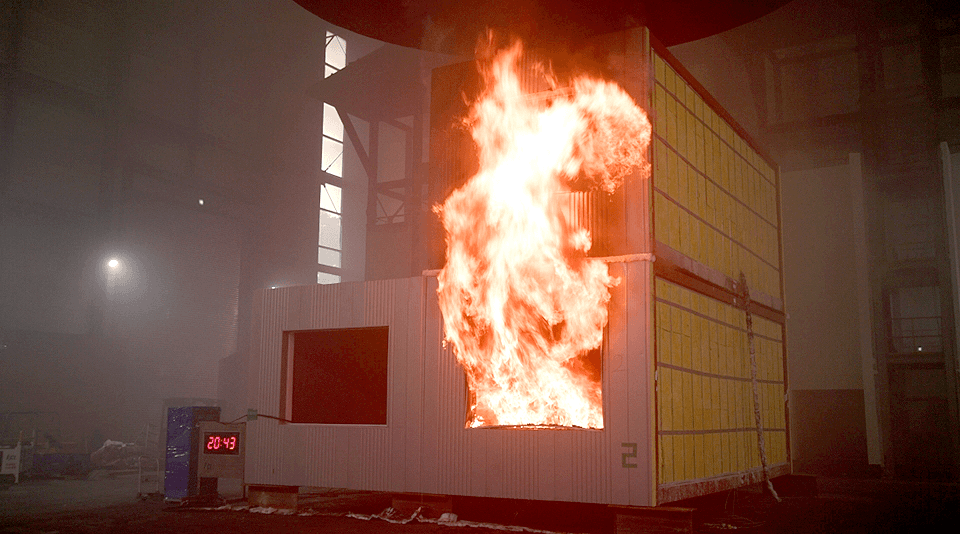
The experiment was conducted by stacking three modular units (each 3.3m wide, 7.9m long, and 3.0m high) into two stories. A fire was then ignited inside one module to evaluate the fire safety of the upper and side modules.
To simulate a 2-hour fire based on the Standard Fire Curve (which dictates the heating time and temperature profile), wood was stacked 1 meter high inside the source module. According to the Standard Fire Curve, the internal temperature for a 2-hour fire rating reaches 1,010°C.
Temperature sensors were attached to the walls and floors inside the modules. Although the internal temperature of the ignited module exceeded 1,150°C fifty minutes after the start, the temperatures measured on the walls, floors, and structural frames of the adjacent upper and side modules remained well within the domestic fire resistance certification standards, demonstrating stable performance.
This experiment is significant because it successfully demonstrated fire resistance on actual modular units, proving that the fire resistance certification system can be realistically improved to reflect the unique characteristics of modular construction. Prior to this, POSCO completed a 1-hour fire resistance test on the 12th using the same method, followed by this 2-hour test on the 14th.
The current fire resistance certification system evaluates performance for each individual component, such as beams, columns, partition walls, and floor slabs. Experts point out that this does not align with the characteristics of the modular method, where the frame, floor, and walls are integrated into a single box-shaped unit, manufactured in a factory, and assembled on-site.
In most modular methods, the structural frame is located inside the walls, allowing it to achieve fire resistance through fire-rated gypsum boards used for partition walls. However, under the current system, the frame and the walls must each satisfy separate fire resistance requirements. Consequently, fire-rated gypsum boards are often overlapped in 5 to 6 layers, as each component requires 2 to 3 layers of protection. This results in adverse effects, such as increased construction costs, longer production times, and a reduction in internal floor space.
Professor Lee Chul-ho of Seoul National University (President of the Korean Society of Steel Construction), who observed the public experiment, stated, "When innovative methods like modular construction emerge, institutional improvements must follow. I hope this serves as an opportunity to enhance the competitiveness of the method through realistic improvements to the fire resistance certification system that consider its specific characteristics."