Fostering Modular Construction Experts: KICIE Leads the Way in Talent Development
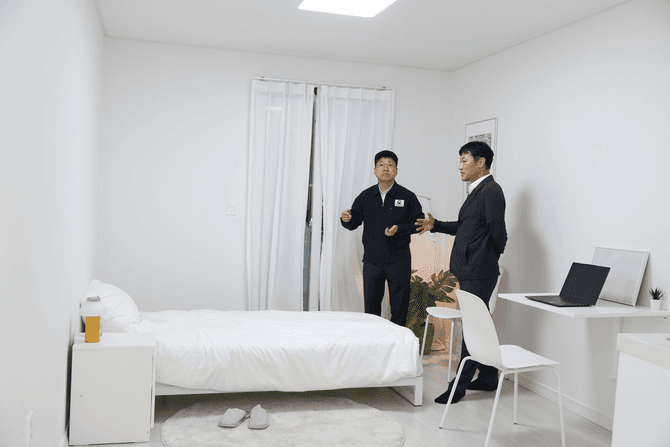
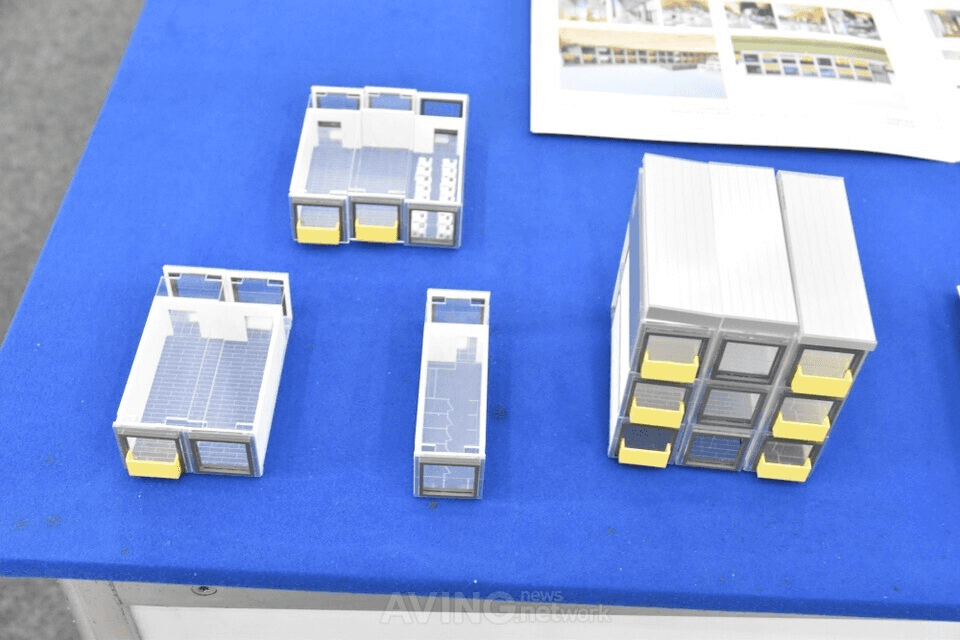
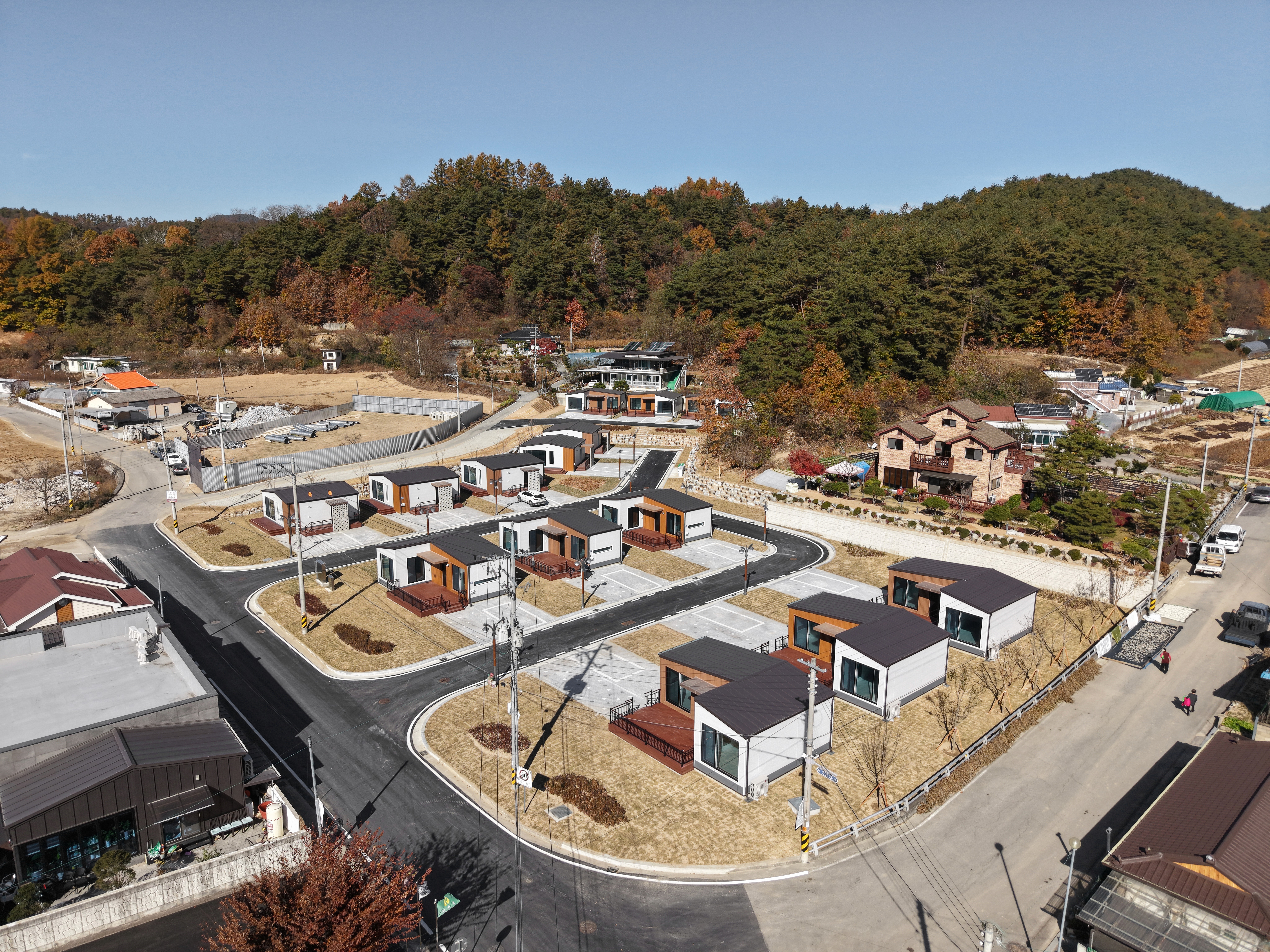
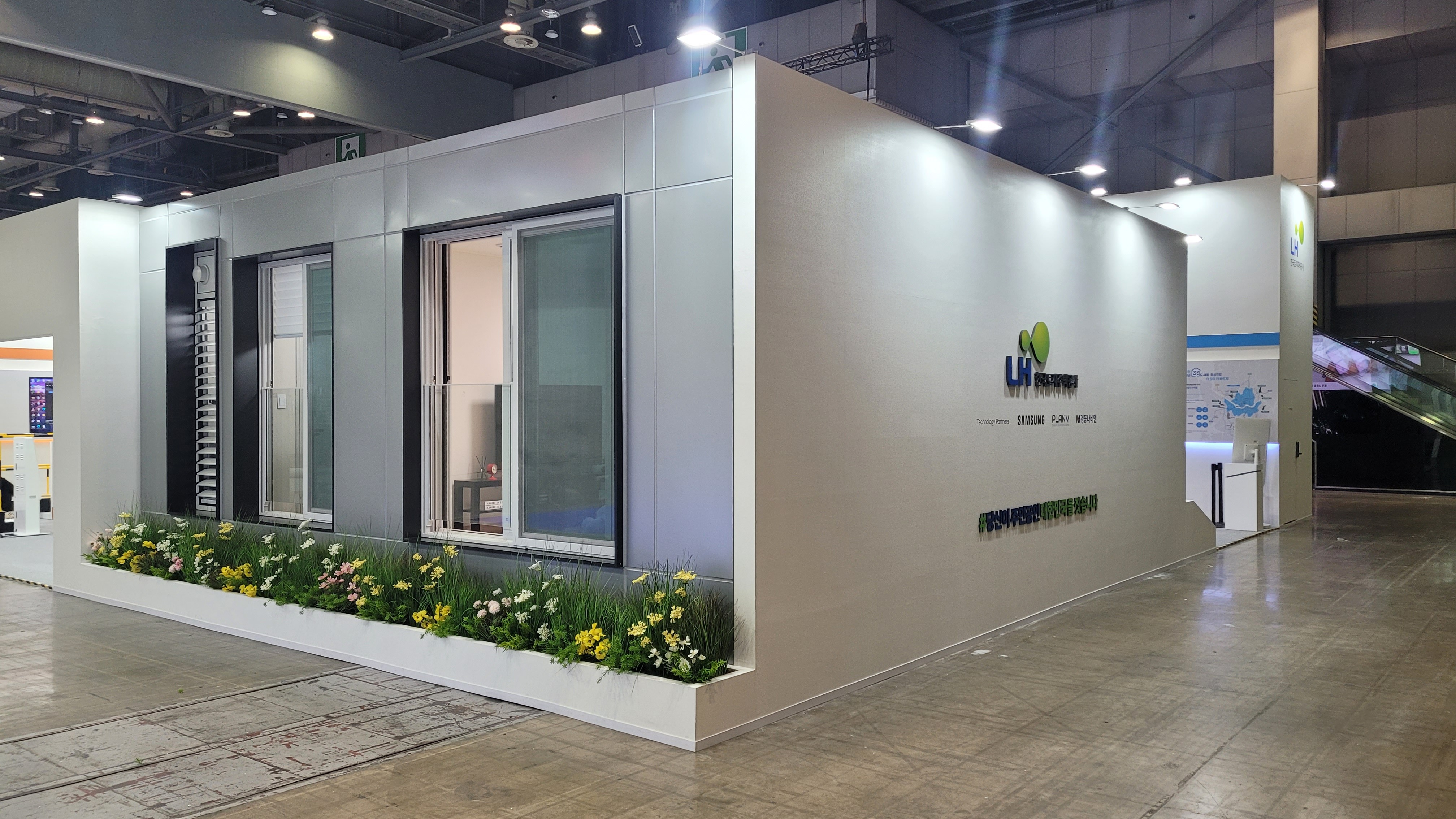
[Daehan Economy = Reporter Kim Min-su] Modular construction—a method where 70–80% of a building, including the structural frame, wiring, kitchen, and bathroom, is prefabricated in a factory and then assembled on-site—is gaining attention as a revolutionary technology that will transform the labor-intensive, site-centered, and wet-process-based construction industry. Despite the growing demand for modular construction, systematic educational programs to cultivate experts remain significantly insufficient in both academia and the industry.
To bridge this gap, the Korea Institute of Construction Technology Education (KICIE) has launched the "Modular Construction Professional Training Program." While the Korea Iron & Steel Association has previously held education focused on steel modular systems, this is the first comprehensive curriculum to cover the entire spectrum of modular construction.
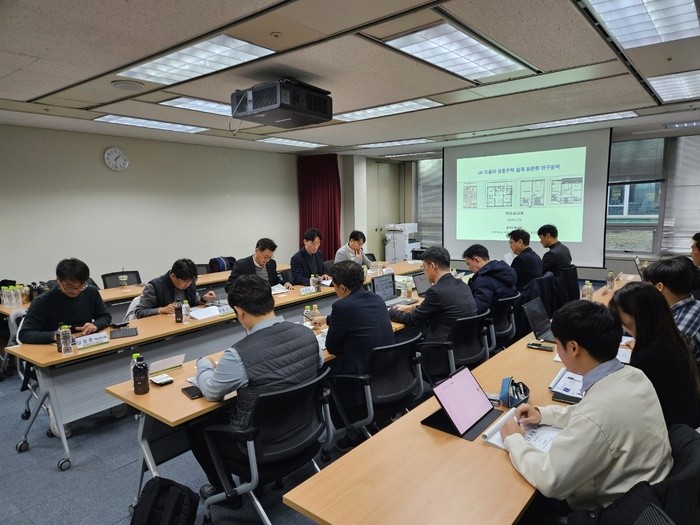
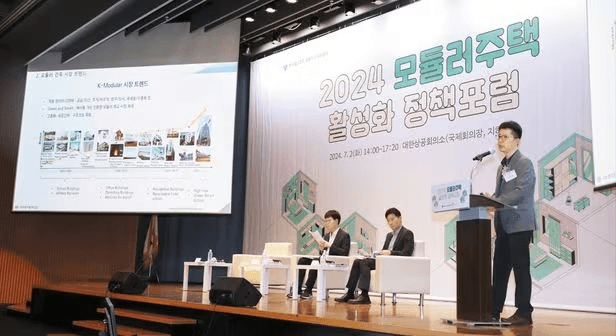
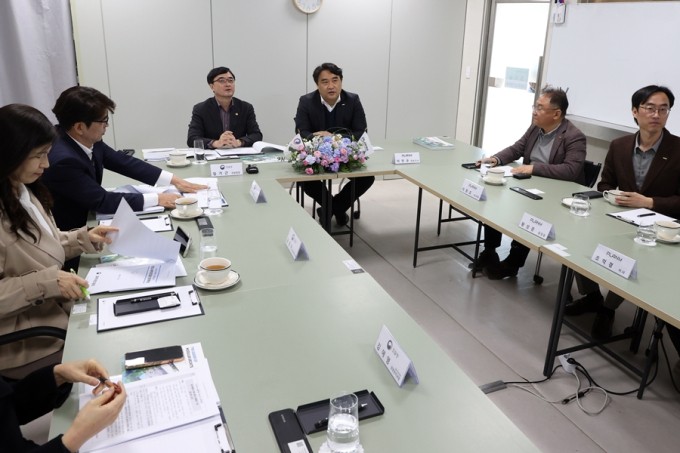
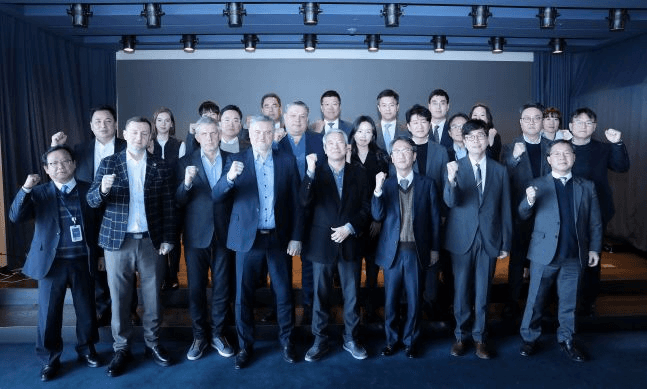
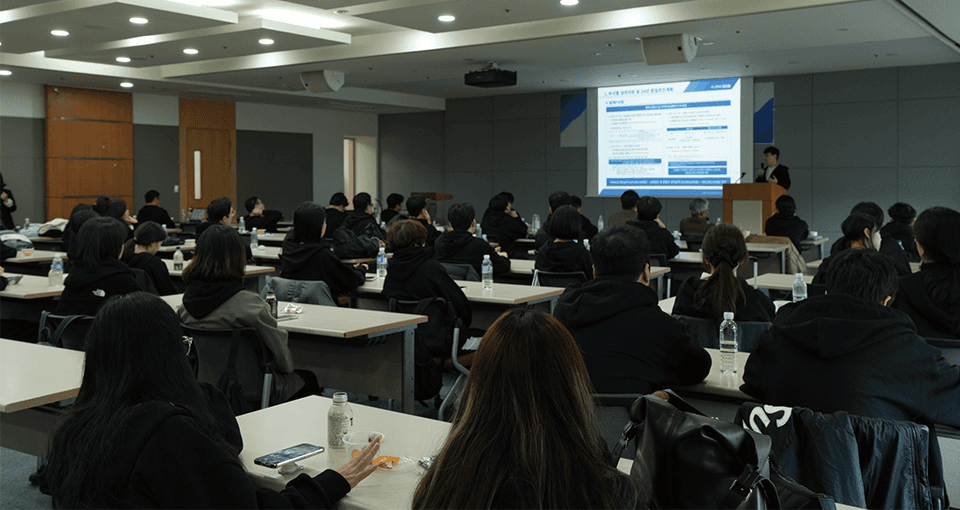
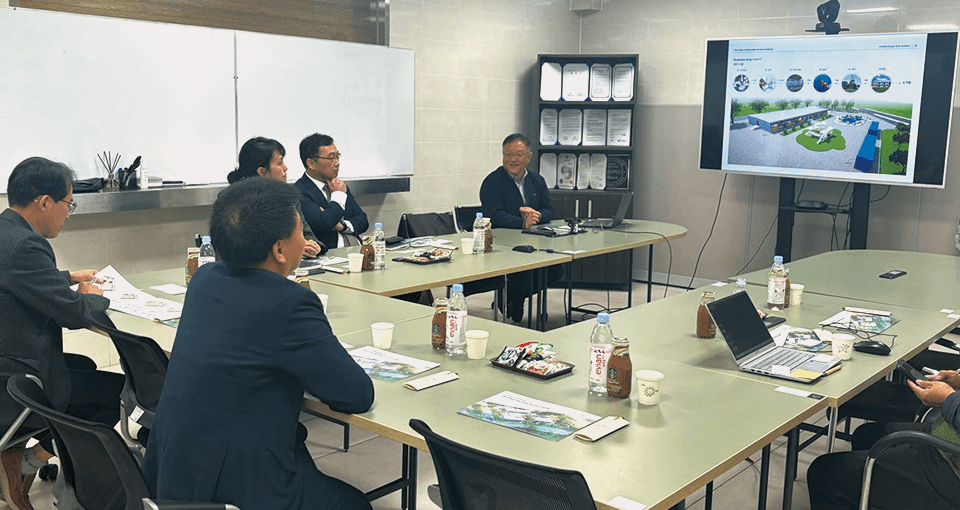
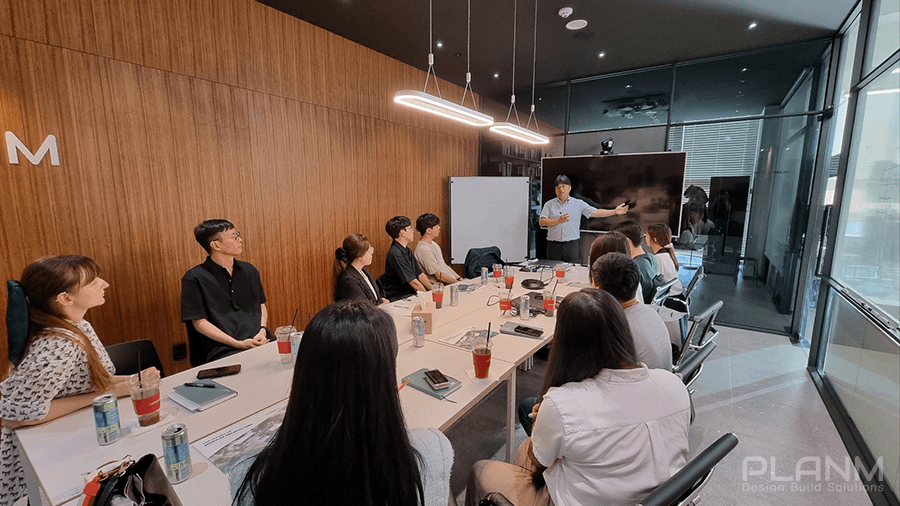
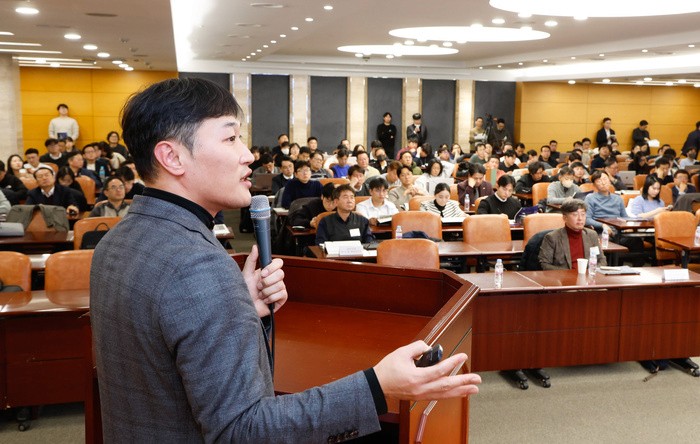
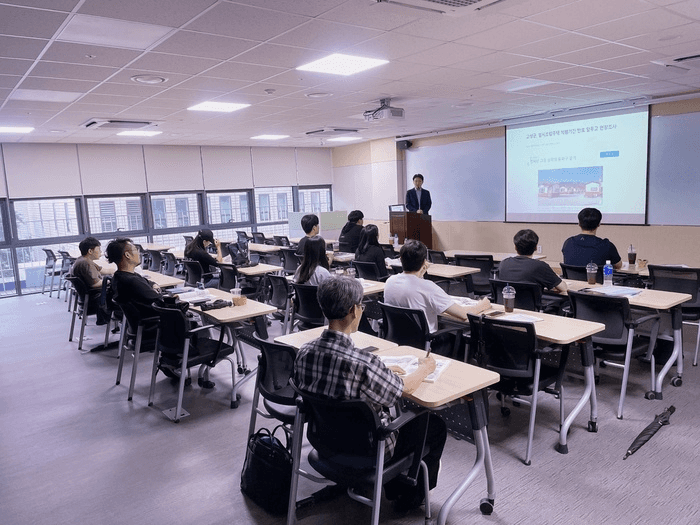
On the 26th, at the KICIE Seoul Branch located within the Korea Science and Technology Center in Gangnam, 13 participants—ranging from university students in their 20s to construction industry professionals in their 30s and 40s—were deeply immersed in the inaugural session.
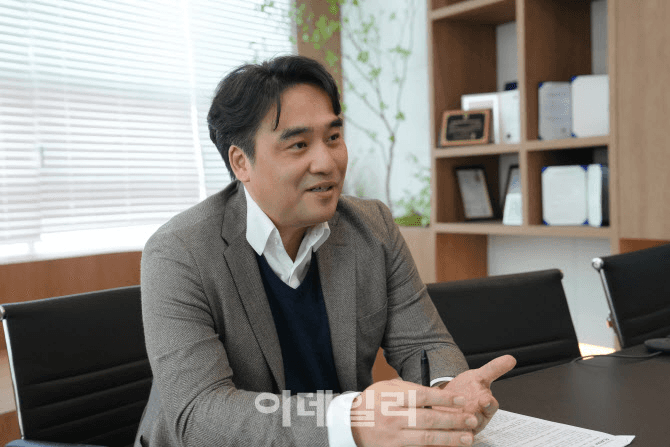
The lead instructor, Professor Jeong Jae-hee of Hongik University’s Department of Architectural Engineering, explained the background of the program: "According to our perception survey, 94.5% of professionals and 88.9% of university students agreed on the necessity of modular construction education. Furthermore, with 75.9% of professionals and 96.3% of students expressing a desire to enroll, we confirmed a clear demand for this curriculum."
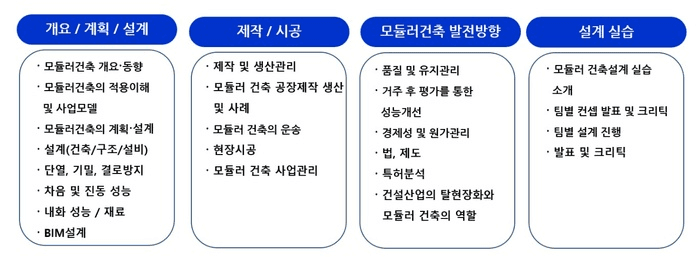
The training program spans a total of 6 weeks (208 hours). To ensure a comprehensive understanding and professional expertise, it is divided into four main modules: Basic Education, Advanced Design, Performance & R&D Intensive, and Manufacturing & Construction.
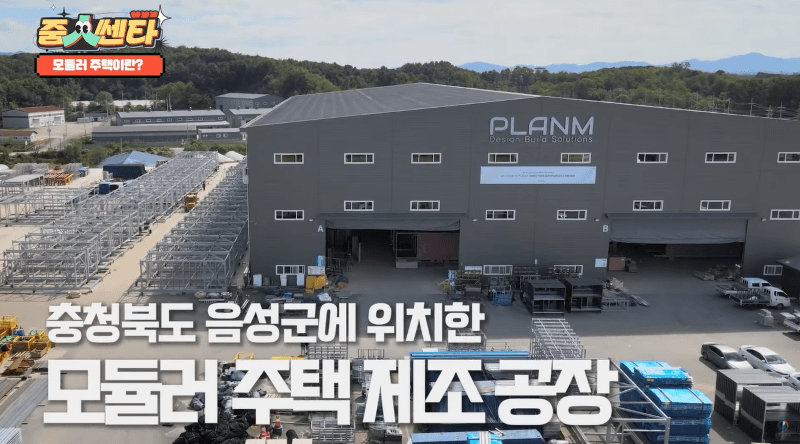
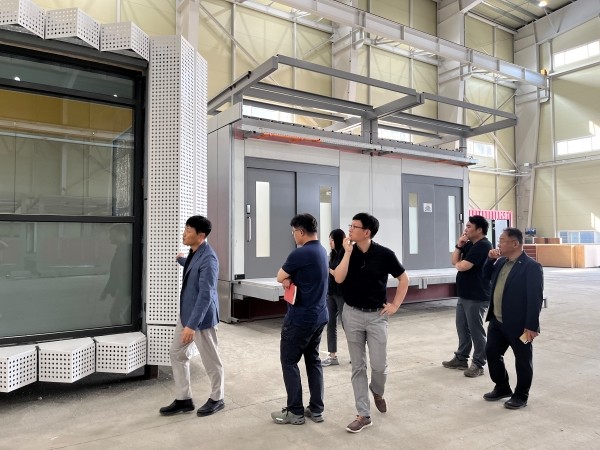
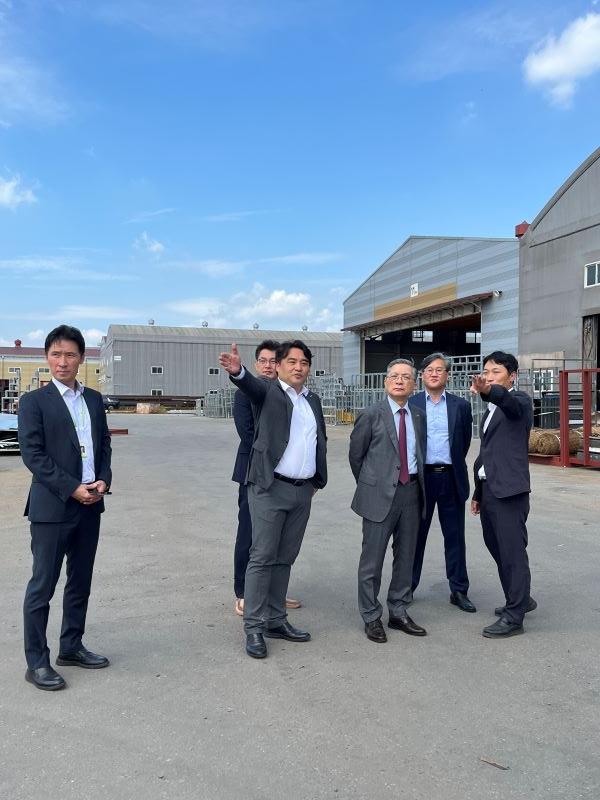
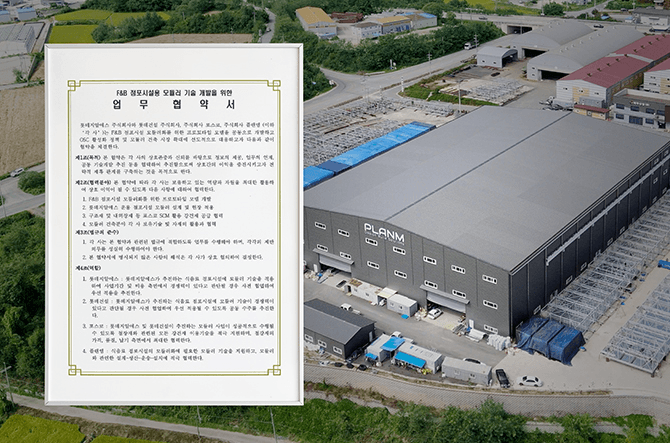
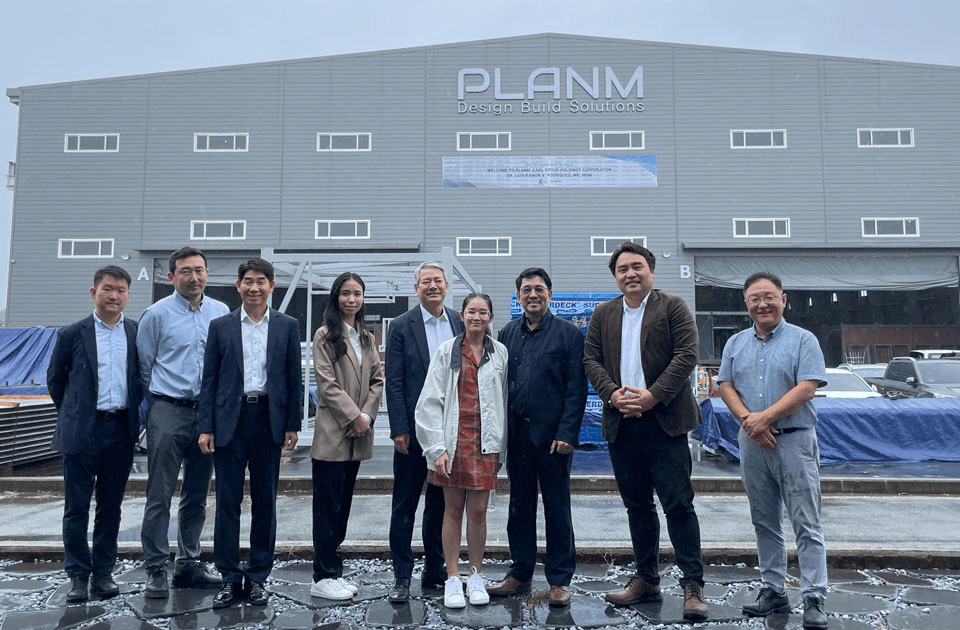
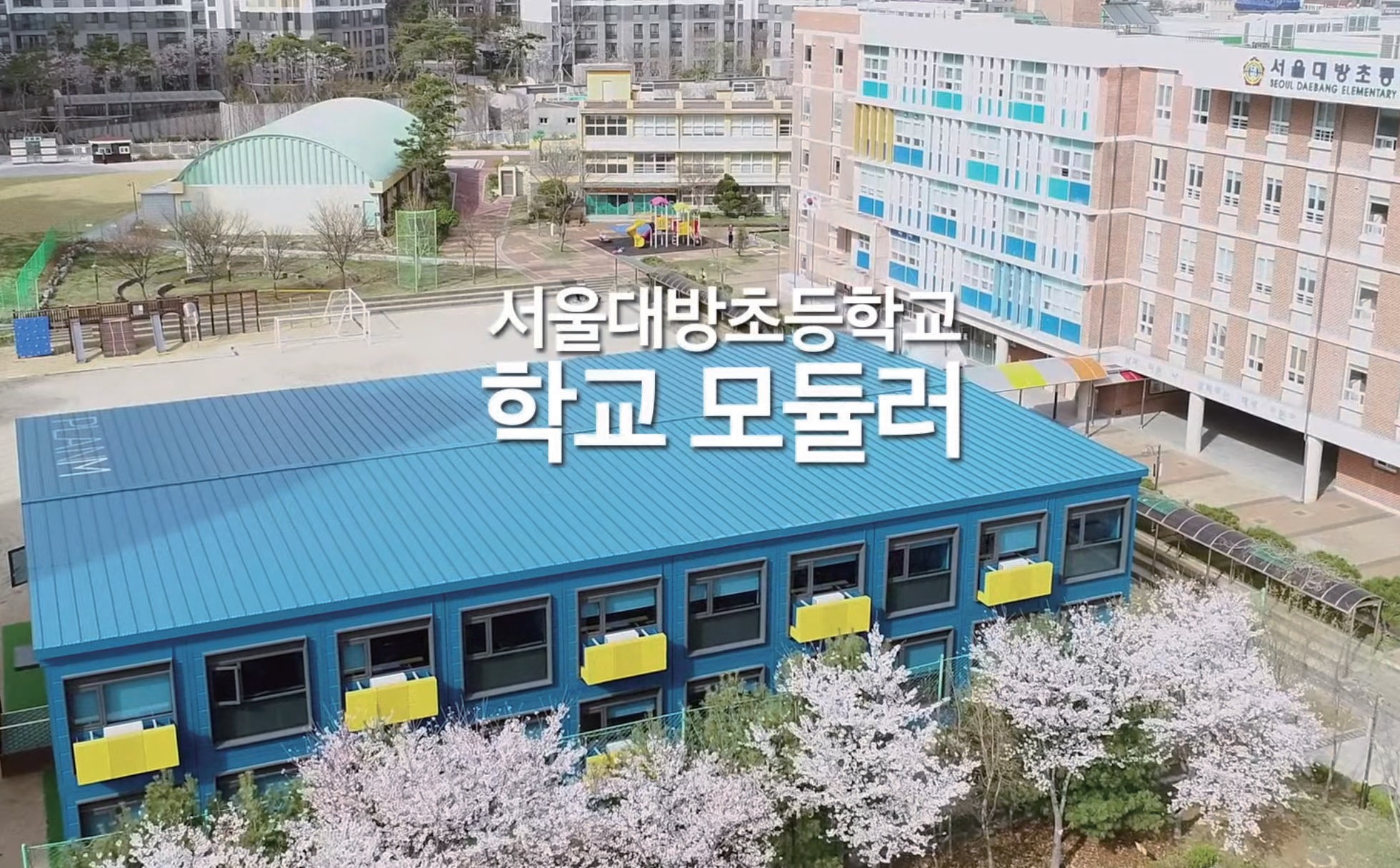
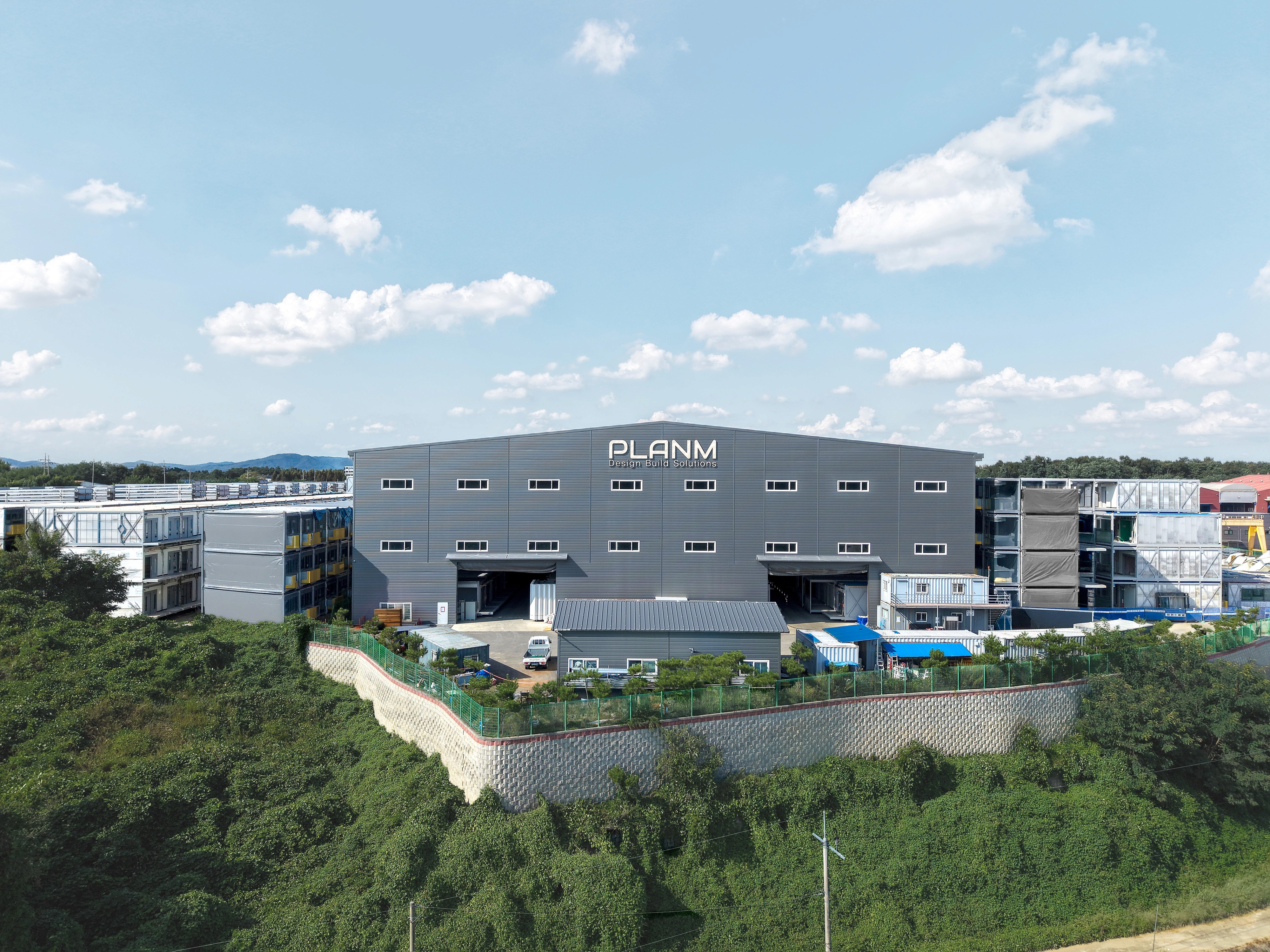
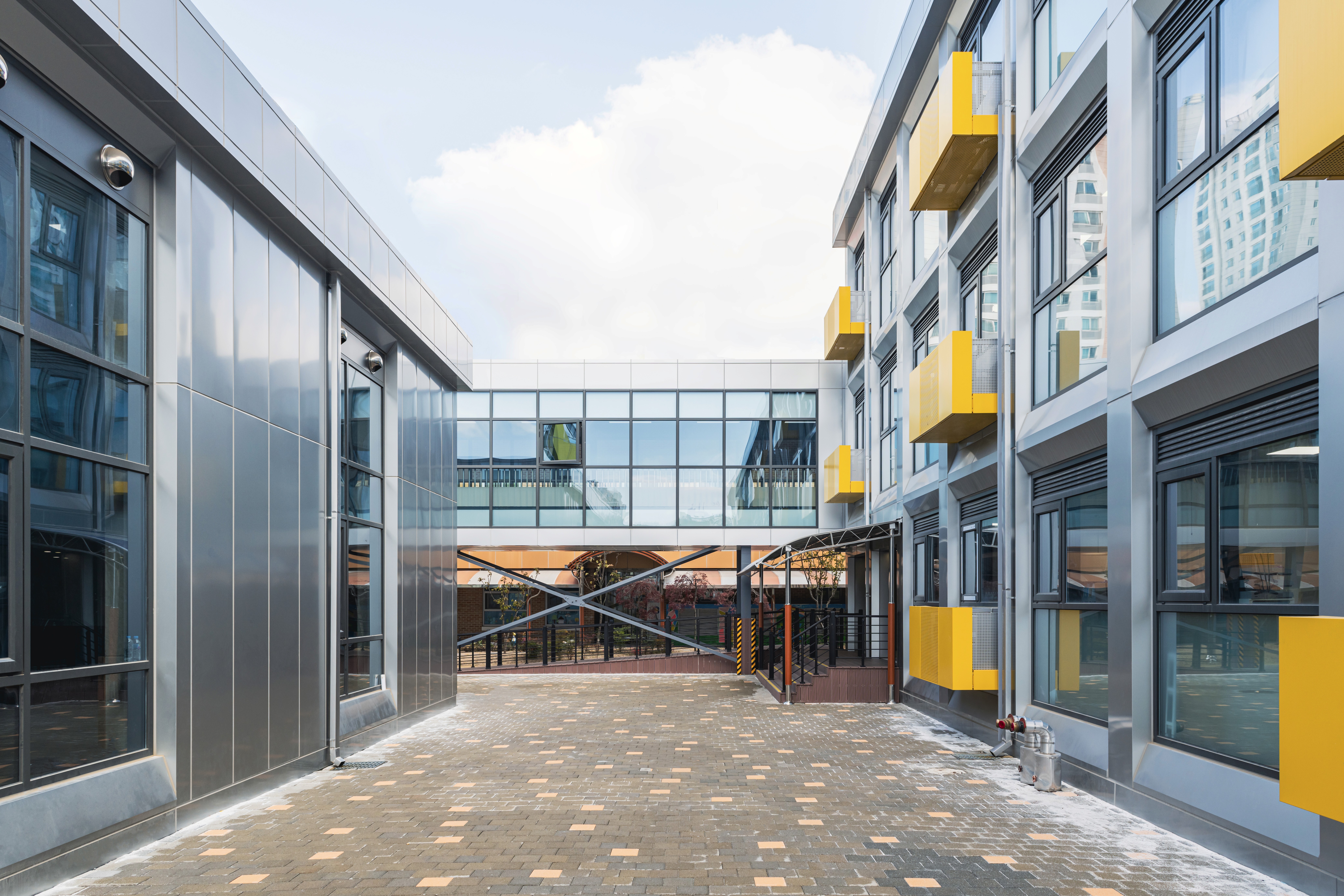
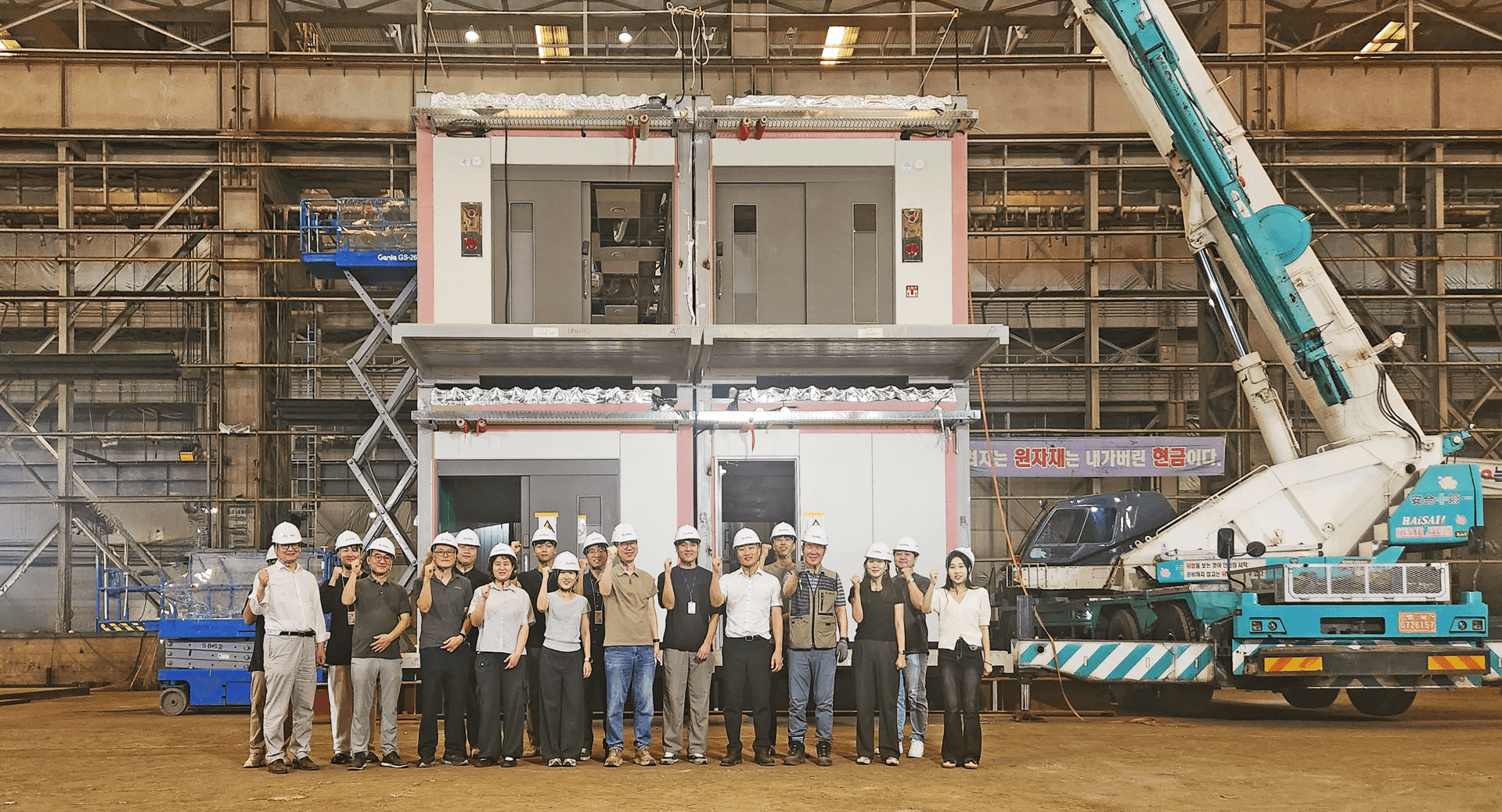
The curriculum includes hands-on experience using 'BUILDIT,' an AI-based modular design program by contech startup Ten Eleven. It also features field visits to landmark sites, such as the Yongin-Yeongduk Gyeonggi Happiness House (Korea's tallest 13-story modular building) and the factory of PLANM, a leading modular manufacturer.
Top-tier Experts Lead the Way in Modular Training
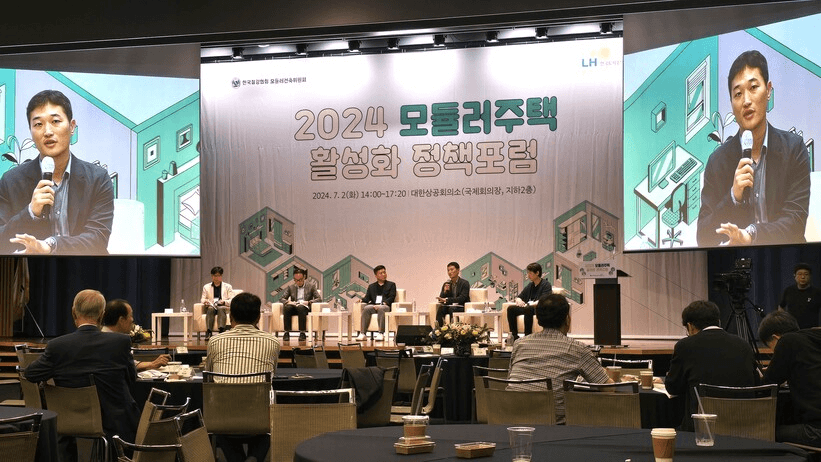
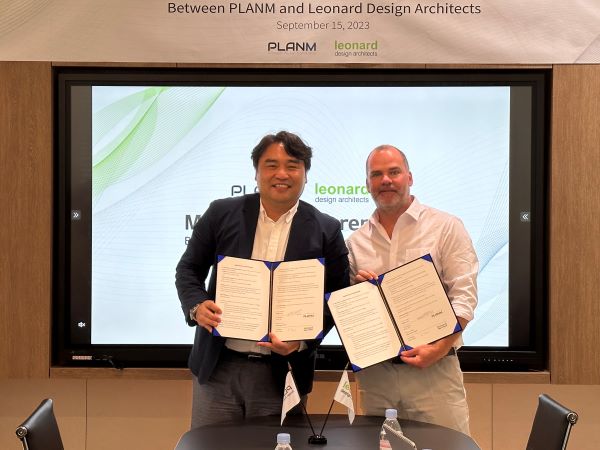
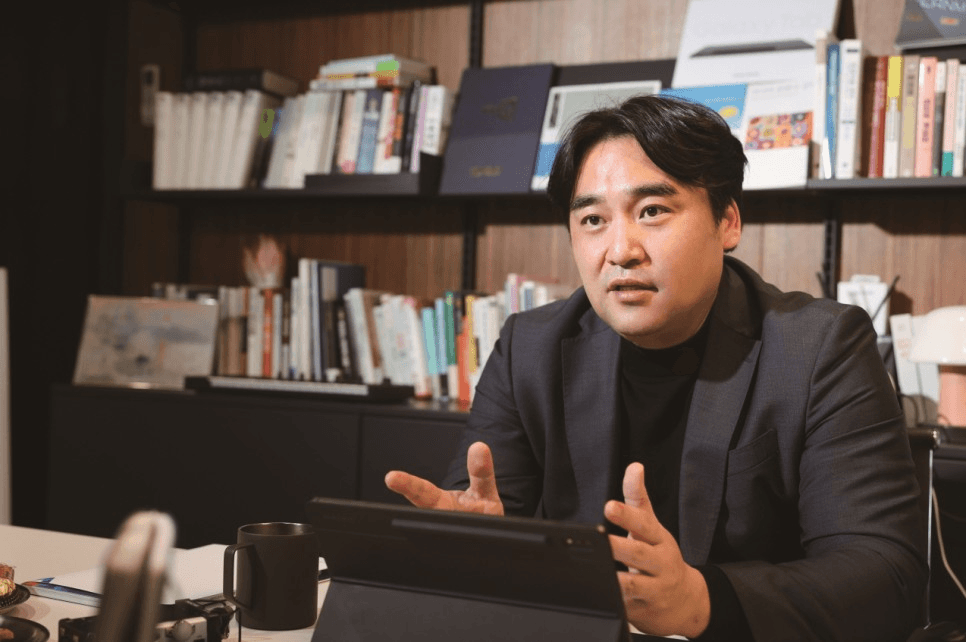
The faculty is composed of Korea’s leading experts in modular construction. The lineup includes prominent figures such as Professor Jeong Jae-hee, Senior Research Fellows Lim Seok-ho and Bae Kyu-woong from the Korea Institute of Civil Engineering and Building Technology (KICT), and Senior Research Fellow Yu Il-han from the Research Institute for Construction Policy. In addition, industry specialists have joined to provide field-oriented lectures, including Jung Jae-wook (CEO of MDL E&C), Song Kyung-seop (Vice President of PLANM), Kim Sun-hoo (Strategic Director of Ten Eleven), Go Kwang-ho (Team Leader at POSCO), and Jeon Myung-hwa (Section Leader at POSCO A&C).
A survey on the program revealed that professionals prioritize "practical relevance," while university students focus on "career prospects."
Lee Dong-gi (25), a student at Kyonggi University, said, "I applied after hearing from a recent graduate that construction companies are highly interested in modular technology. I hope to gain practical knowledge that I can immediately apply when I join the workforce."
Choi Seong-ju (43), a manager at Hanwha Corporation/Construction's Overseas Business Department, added, "There haven't been many opportunities to learn about modular construction, so I applied as soon as I heard about this course. I am looking forward to lectures that are directly applicable to my work."
The Modular Construction Professional Training Program is scheduled for its second session at the end of the year, following this successful inaugural round.