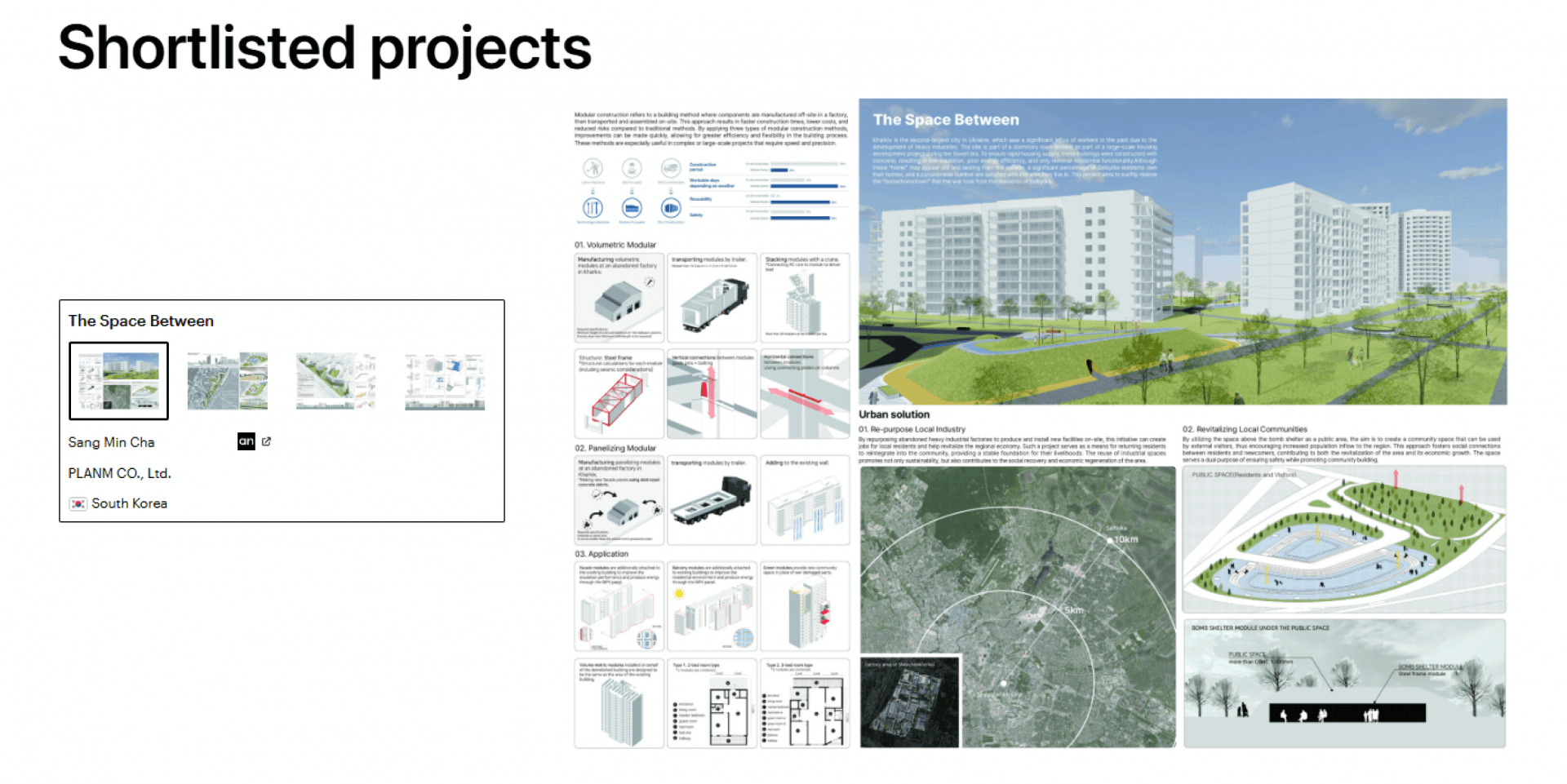
Recently, major Korean conglomerates have been increasingly unveiling modular structures. Beyond the advantages of cost reduction and shorter construction timelines through mass production, and the minimization of material waste via standardization, expectations for the market's growth are soaring as the carbon reduction effects of modular construction become more widely recognized. The government also plans to establish cost estimation standards within the year to further bolster the commercialization of modular methods.
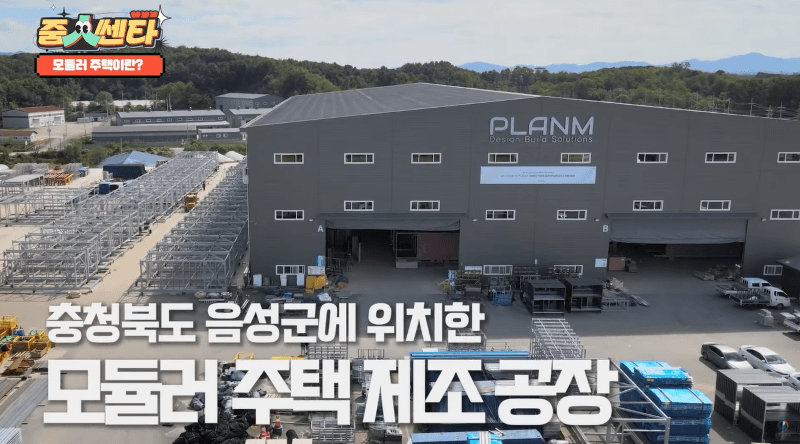
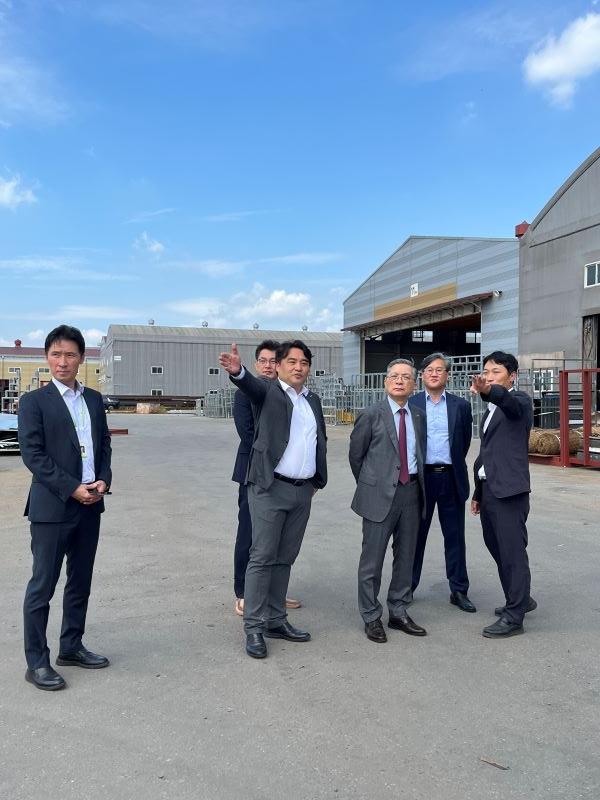
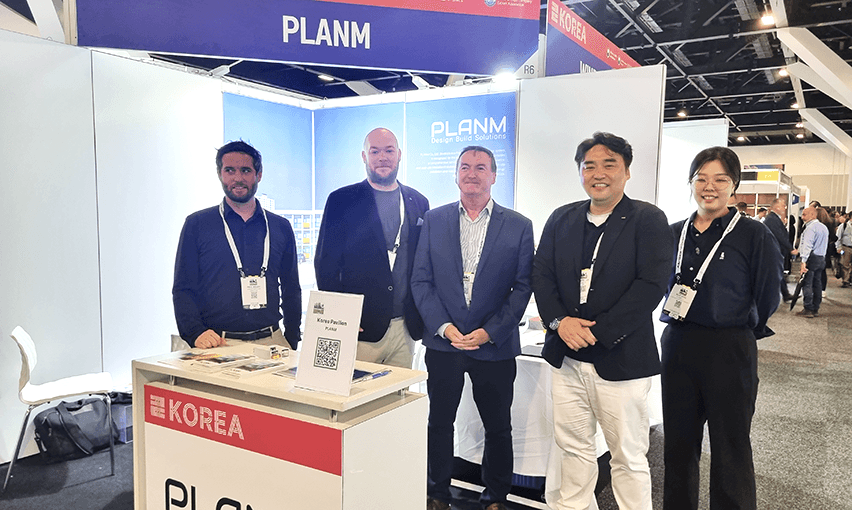
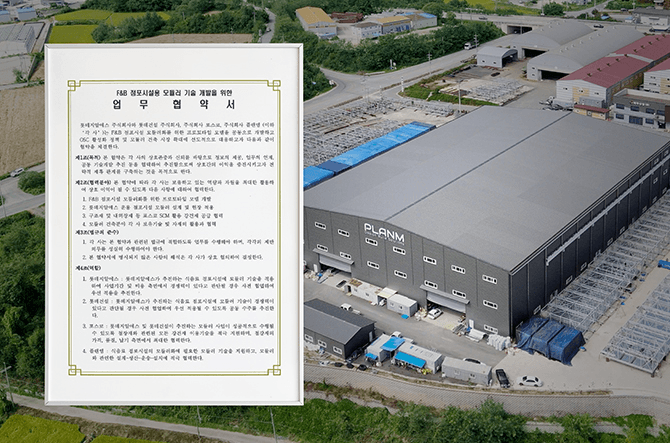
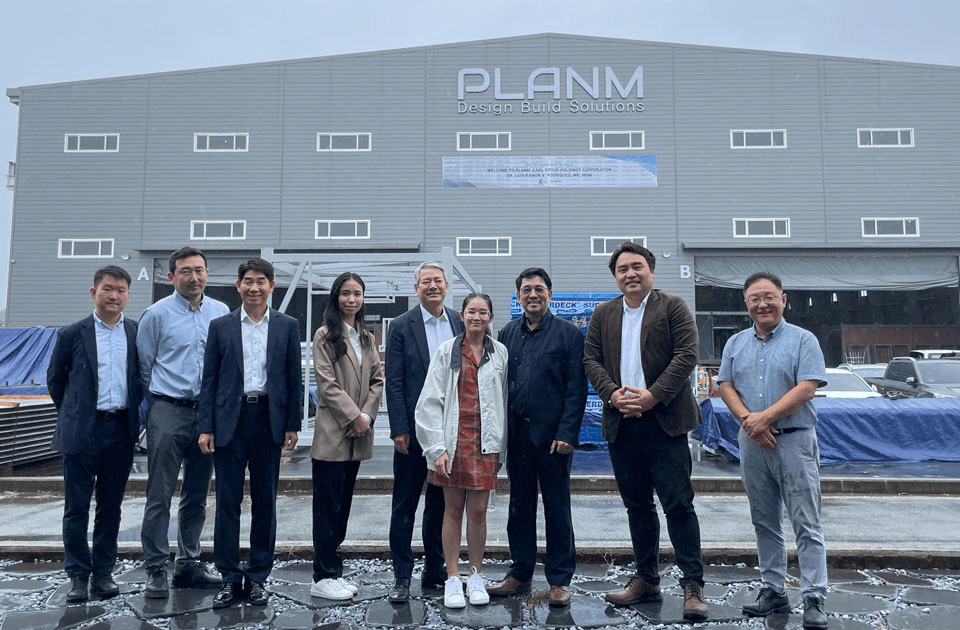
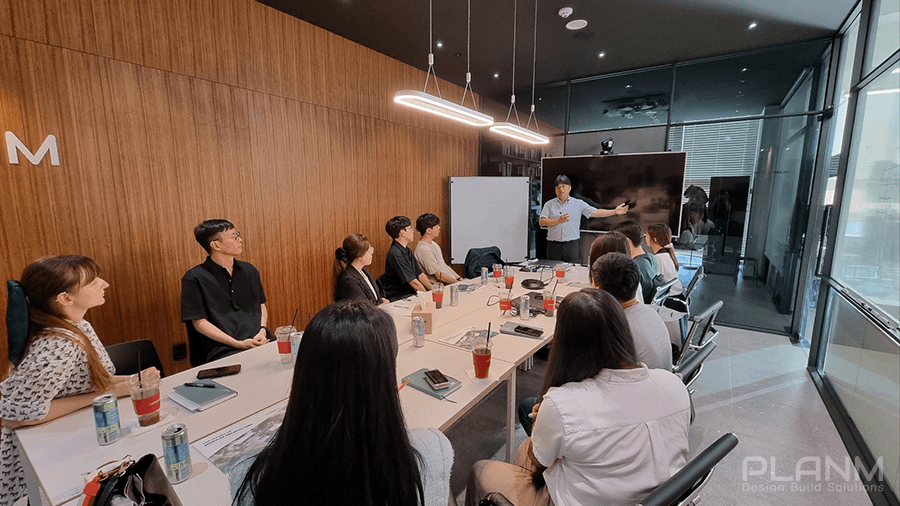
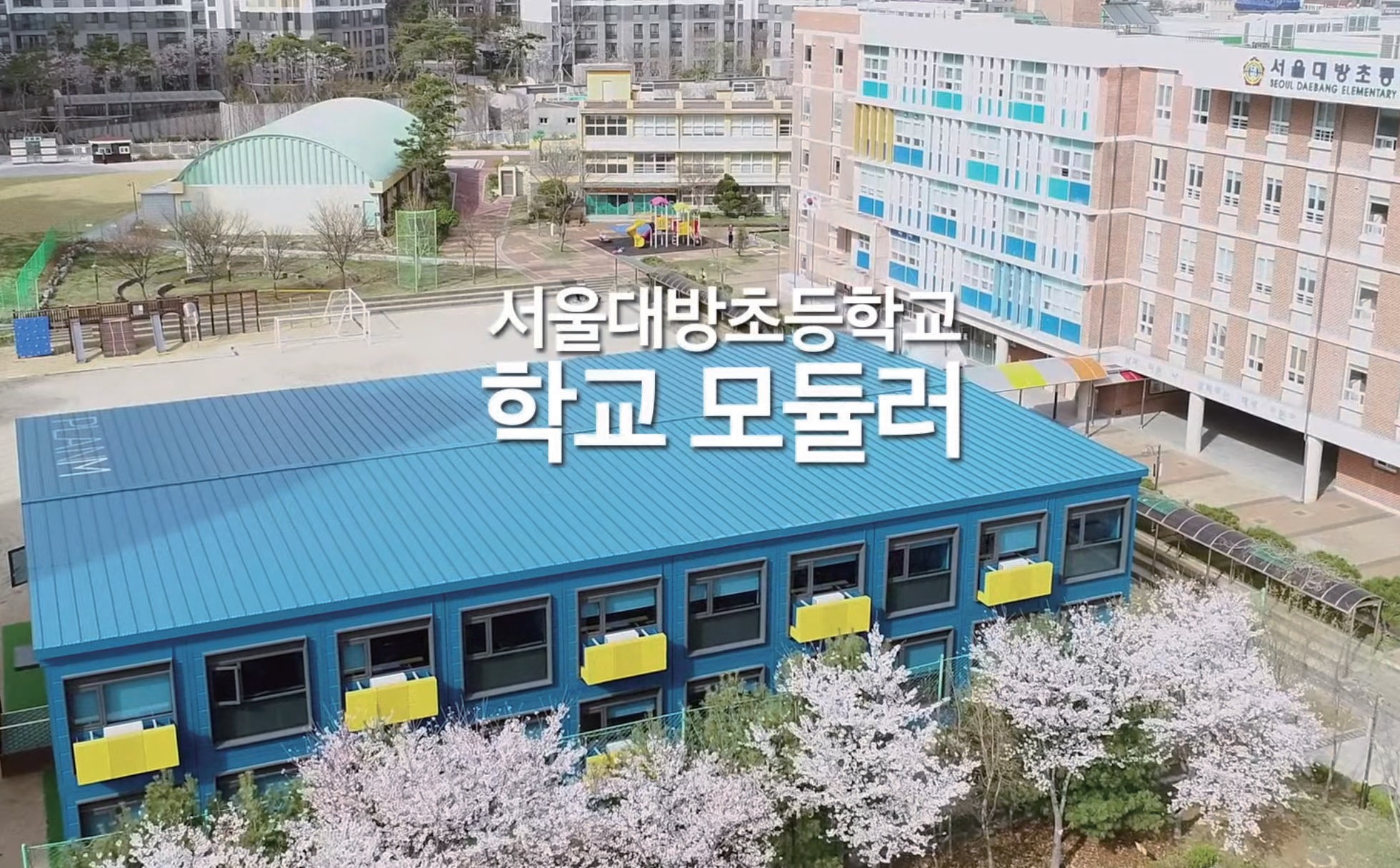
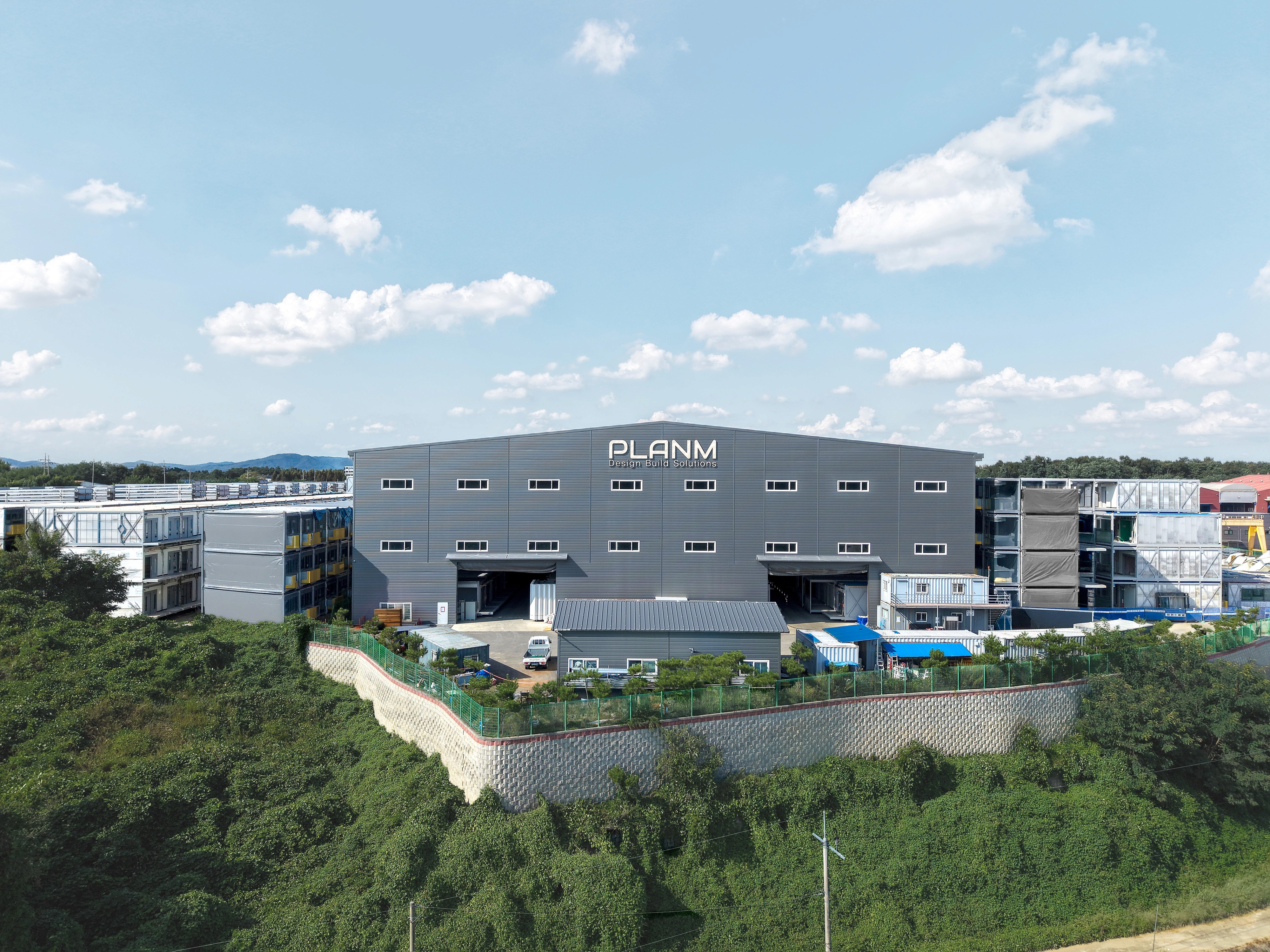
Based in Eumseong-gun, Chungcheongbuk-do, PLANM is a company that has garnered significant attention, having constructed 1,550 eco-friendly school modular classrooms across 17 provinces nationwide last year alone. Through continuous R&D, PLANM is expanding its reach beyond schools to medical facilities, hotels, and residential buildings. We visited the company as it prepares to lead the global market by showcasing the diverse versatility of its modular solutions.
Confirming the Growth Potential of the Global Modular Market
The First Eco-Friendly Modular Specialist to Successfully Complete School Projects in Korea
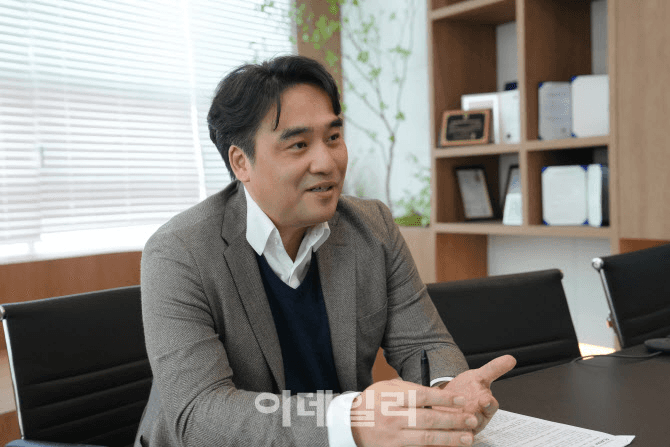
PLANM, a leader in eco-friendly modular construction, provides a comprehensive "Total Solution" covering the entire modular lifecycle—from design and development to production, delivery, and maintenance. CEO Lee Min-gyu, who has built years of experience and expertise in the modular business both domestically and internationally, led the company to become the first in Korea to successfully complete a modular school project. Since its founding in April 2020, PLANM has achieved remarkable success, surpassing ₩30 billion in revenue within its first two years, driven by a highly skilled professional workforce. Last year alone, the company contributed significantly to educational infrastructure by constructing eco-friendly modular classrooms for 2,100 rooms (1,550 classes) across 17 provinces. This year, PLANM is expanding into diverse modular sectors, with an expected order backlog of ₩300 billion.
“I first encountered the modular method while managing new business planning at a steel company. At that time, much like the recent past, the domestic market had not yet gained momentum. Modular construction was lagging in price competitiveness and was mostly used for special purposes or pilot projects. However, seeing overseas cases where modular had already become a standard architectural method gave me a glimpse of its true potential.”
Modular construction is a technique where major parts of a building are pre-fabricated in a factory as modular units, then transported and assembled on-site. In 2015, a Chinese company set a record by pre-fabricating a 57-story building and completing its on-site assembly in just 19 days. Modular structures can also be found in Korea; for instance, the media housing for the Pyeongchang Winter Olympics was built using this method. However, due to lower cost-competitiveness compared to concrete buildings, it struggled to take deep root in the domestic market. Amidst this environment, CEO Lee spotted opportunities abroad, and in 2012, he successfully managed Korea's first modular export for miner housing in Russia and Australia. Lee explained that he built his expertise as a Project Manager (PM), overseeing the entire export process back when the modular method was still a foreign concept in Korea.
“Confident that the modular market would grow, I analyzed domestic demand and identified the school market. About 25% of the 25,000 elementary, middle, and high schools nationwide were facing aging facility issues. Schools, which expanded rapidly during the baby boomer era, had never been able to undergo proper modernization projects due to various logistical hurdles.”
Improving outdated school environments typically requires more than six months of construction. Even considering summer and winter breaks, modernization was repeatedly delayed due to students' right to learn, the required number of school days, and safety concerns. CEO Lee intuitively felt that modular construction was the ultimate alternative to these practical problems. Recently, the government even mentioned "modular housing" as a relocation measure for the redevelopment of aging planned cities, including First-Generation New Towns. The fact that Korea is approaching an era of $40,000 per capita income was another factor in his decision to start the business. As more people pursue a higher quality of life—such as owning second homes—rather than just focusing on basic livelihood, modular architecture is no longer an option that can be postponed. Furthermore, rising raw material prices have brought traditional Reinforced Concrete (RC) methods and steel-based modular methods to a point of parity in terms of cost-competitiveness. With this vision, CEO Lee teamed up with his colleague, Vice President Song Kyung-sub, to found PLANM.
“There was a lot of opposition when I announced I was quitting a stable job to start a business. However, my experience leading modular exports gave me unwavering confidence in the market. The emphasis on safety and ESG management is also a driving force. The construction industry is rapidly shifting toward 'Off-Site Construction' (OSC) to ensure safety on the ground.”
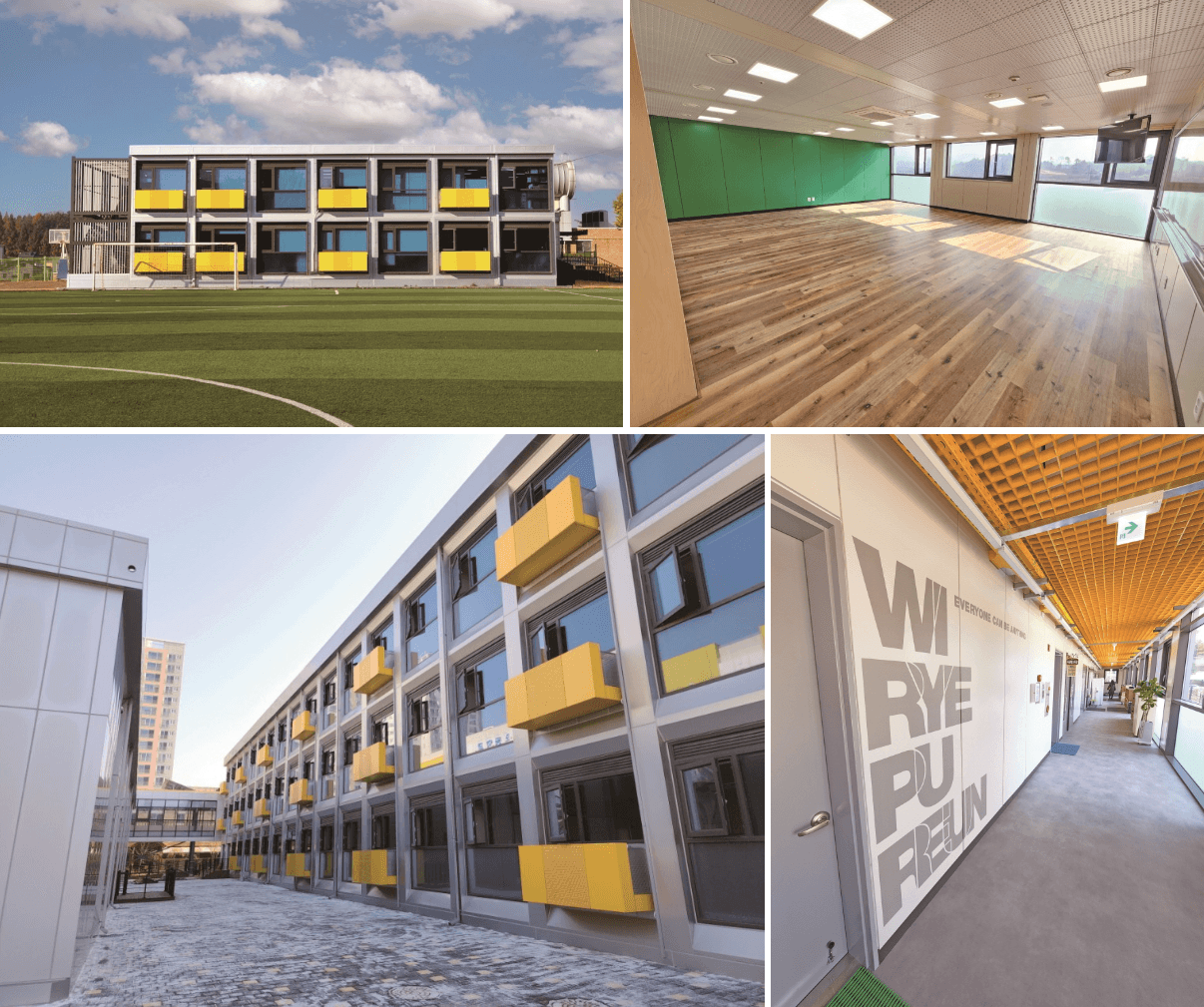
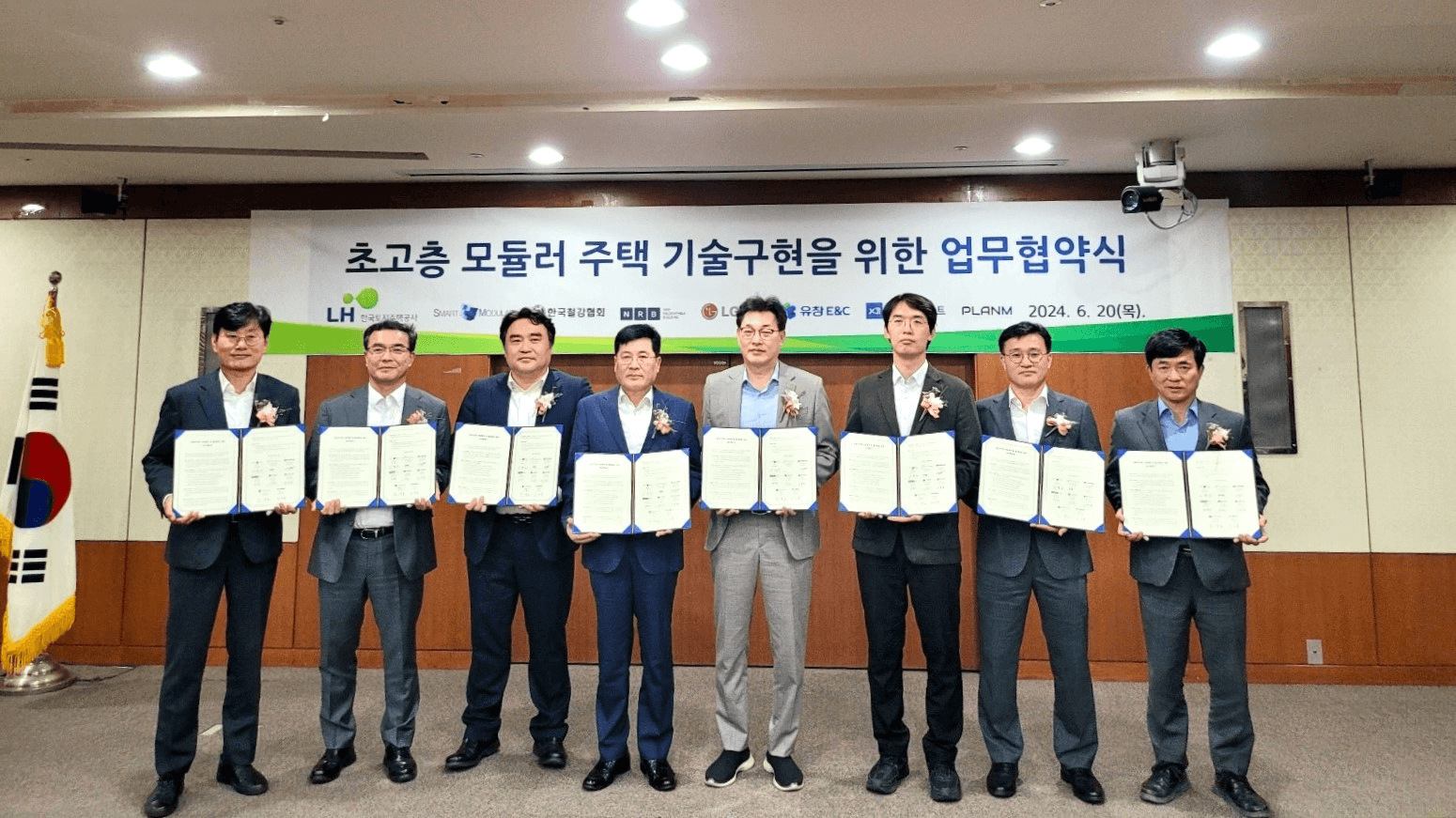
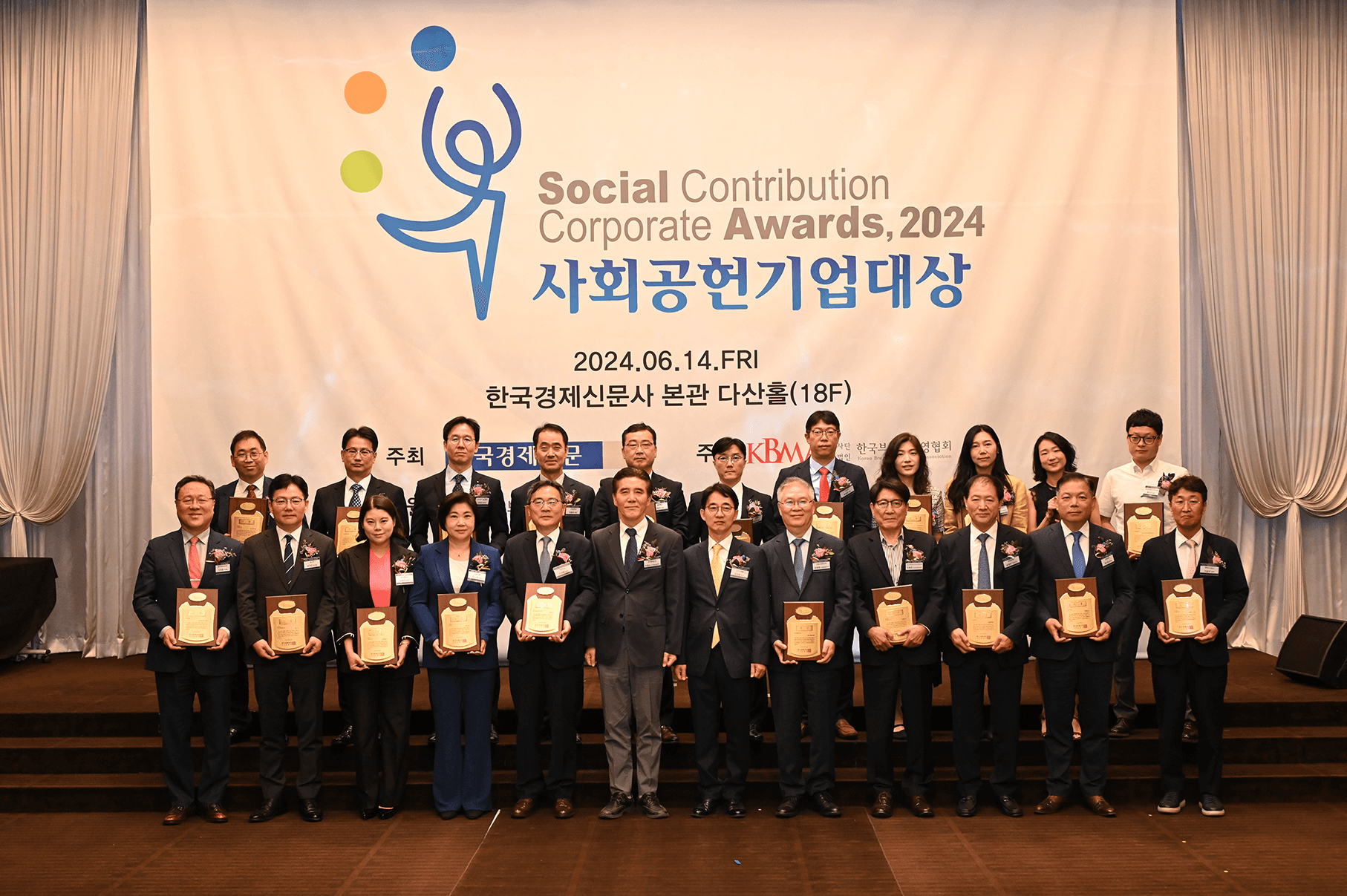
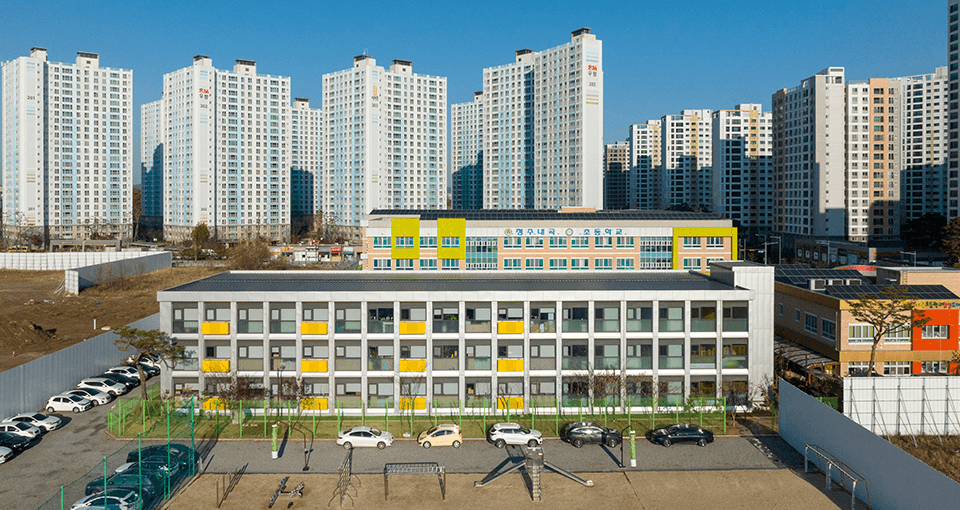
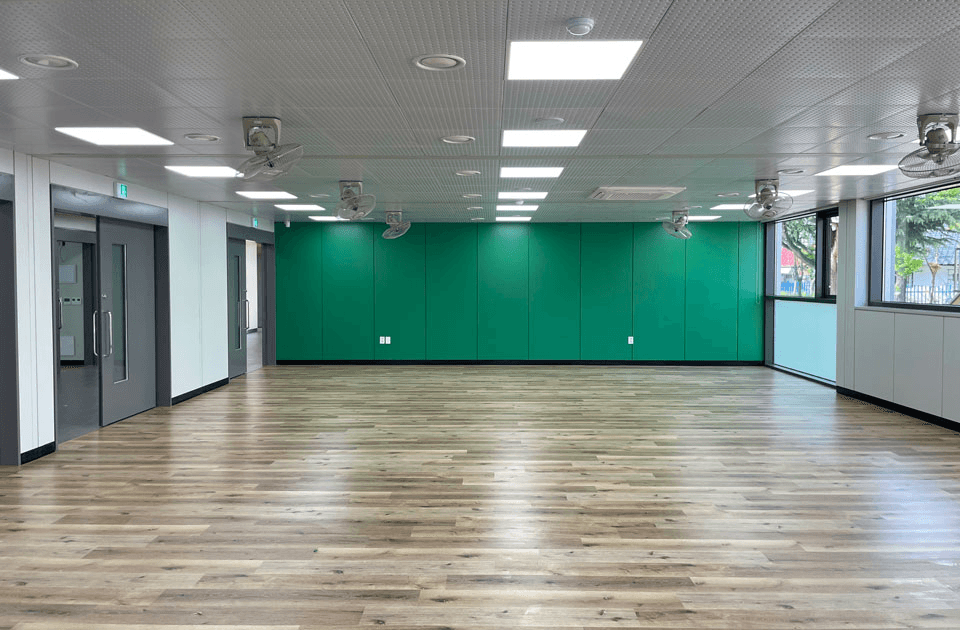
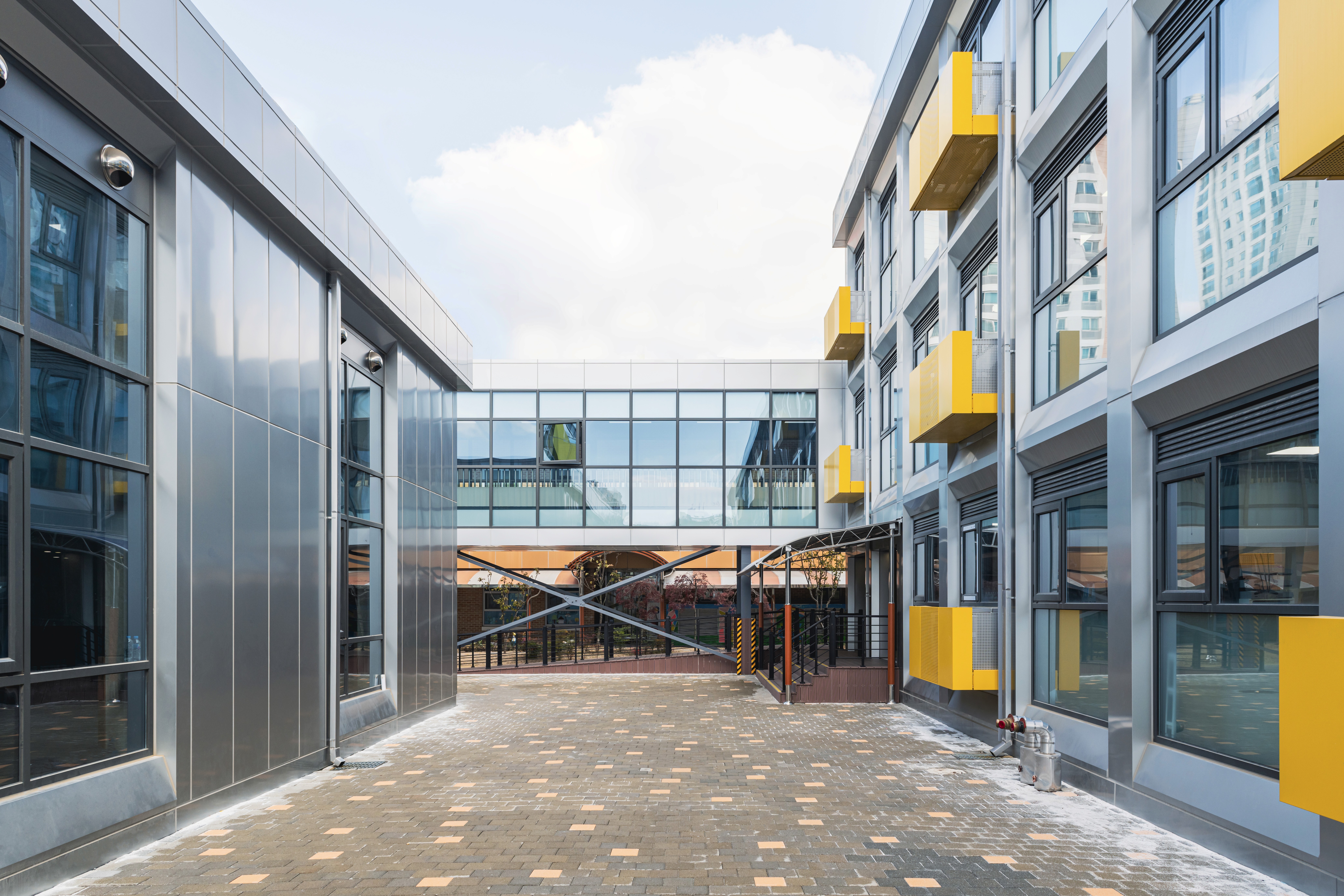
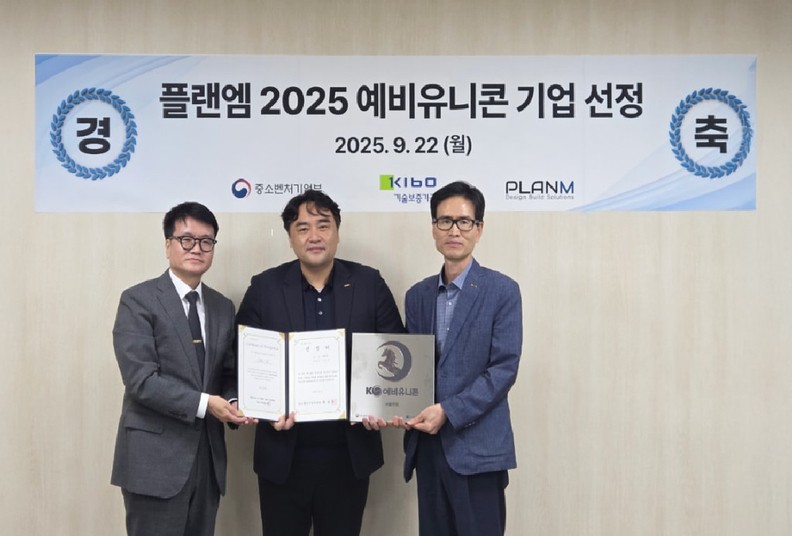
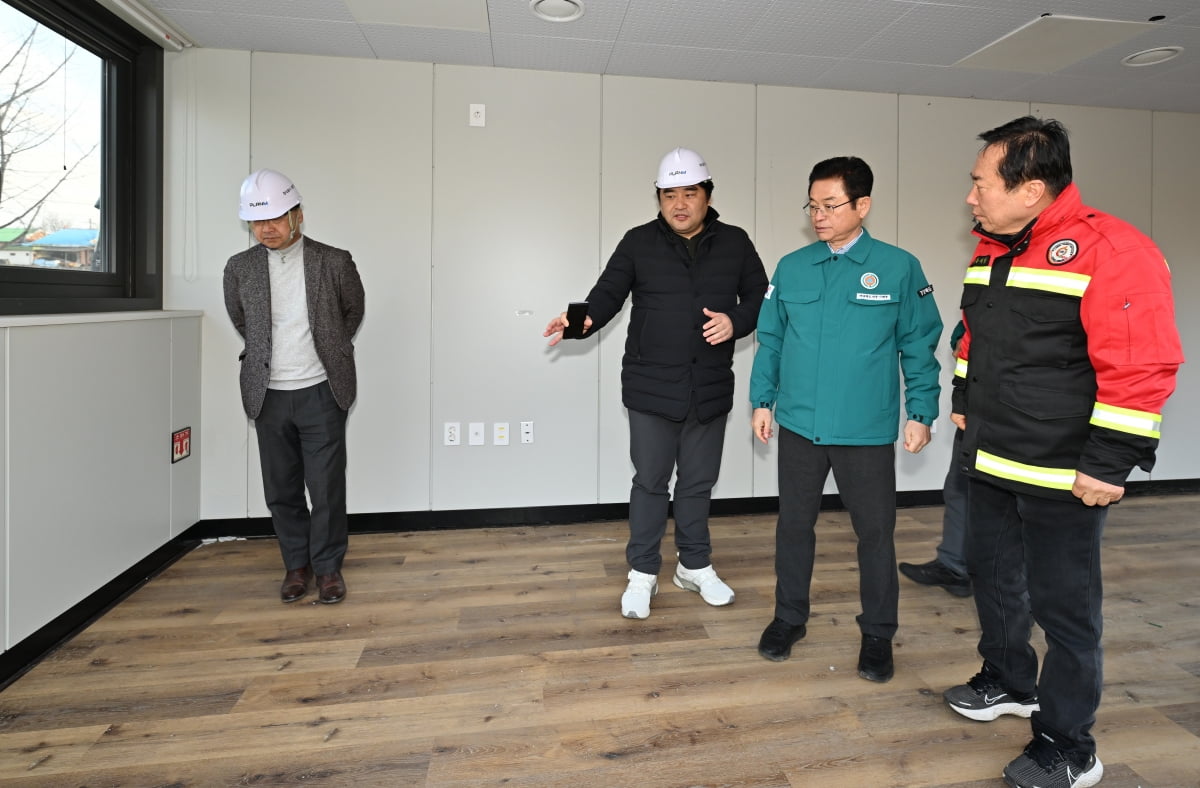
Growing with the “Green Smart Future School” Project: Expanding Beyond Education into Medical, Hospitality, and MoreThe school modular market is emerging as a new growth engine, driven by the Ministry of Education’s “Green Smart Future School” project. This long-term initiative aims to build the infrastructure necessary for a future-oriented curriculum, with the goal of remodeling or reconstructing 2,835 school buildings (all older than 40 years) between 2021 and 2025. By providing diverse educational environments, the project seeks to nurture creative and convergent talent. The modular market is expected to play a pivotal role in supporting this policy, especially as a solution for overcrowded classrooms in new cities and a provider of comfortable, safe learning spaces. PLANM has garnered significant attention by successfully leading these modernization projects. Notably, at the request of the Ministry of Education, PLANM’s solutions were registered as "Innovative Products" by the Public Procurement Service (PPS), proving the company’s technological ingenuity.“In any organization, there are always pioneers. While officials at the Ministry of Education were deeply concerned about aging facilities, they encountered our products and became convinced they were the right alternative. They even proactively suggested a ‘fast-track’ process to the PPS to speed up field application. Our first project was Jungsan Elementary School in Yeongjongdo, Incheon. A school with 700 students saw its construction completed in just 15 days—without a speck of dust. From there, word of mouth spread, and schools across the country began seeking our solutions.”PLANM’s achievements in the medical sector are equally impressive. After exporting mobile PCR modules and developing a 300-bed mobile hospital, the company’s technical prowess was recognized as it was selected for the POSCO INNOVILT product line. Within a short period, PLANM has achieved remarkable growth, earning Venture Company certification, being named a Top 10 Innovation Product Seller, and being selected as a representative Korean company for “WEB SUMMIT 2022” (supported by KODIT and KOTRA). CEO Lee Min-gyu shared his plans to actively expand PLANM’s unique technology and sophisticated designs beyond schools into residential, medical, and leisure sectors.Following this rapid growth, PLANM was honored with the Promised Startup Award at the Chungbuk Small & Medium Business Awards last December. This was a direct result of high scores in modular technology and management excellence. CEO Lee credited the award to the safety of their eco-friendly products, creative ideas, and the harmony fostered through constant communication with employees. He expressed his honor in being selected among many outstanding regional companies and shared his ambition to foster an innovative construction environment while growing as a role model for the community.“Daeso-myeon, Eumseong-gun, where PLANM’s headquarters is located, is the heart of Chungbuk. we settled here because of its potential for regional growth and its status as Korea's premier logistics hub.”PLANM’s current 2,000-pyeong site (approx. 6,600 $m^2$) already houses Korea’s first factory dedicated exclusively to school modular units. CEO Lee unveiled a blueprint to expand this to 50,000 pyeong (approx. 165,000 $m^2$) to create the world’s best “Modular Park.” This vision includes a theme park where children can experience the modular manufacturing process and a standardized production system that offers flexible employment opportunities for job seekers—effectively establishing modular construction as both a superior technology and a new cultural staple.

Modular Construction Turning Real Estate into Movable Assets: Spotlight on Recyclability, Sustainability, and Smart Manufacturing Solutions
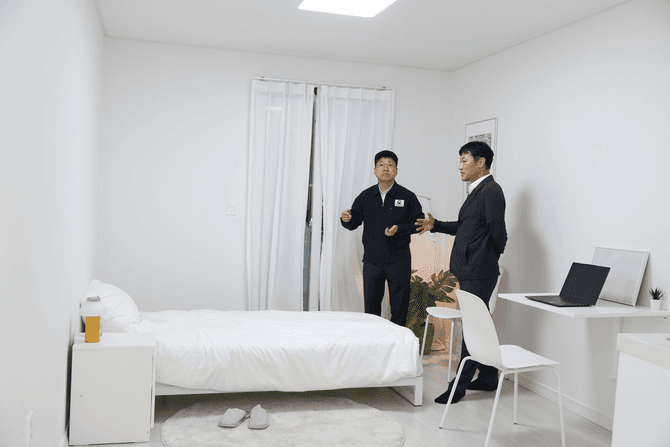
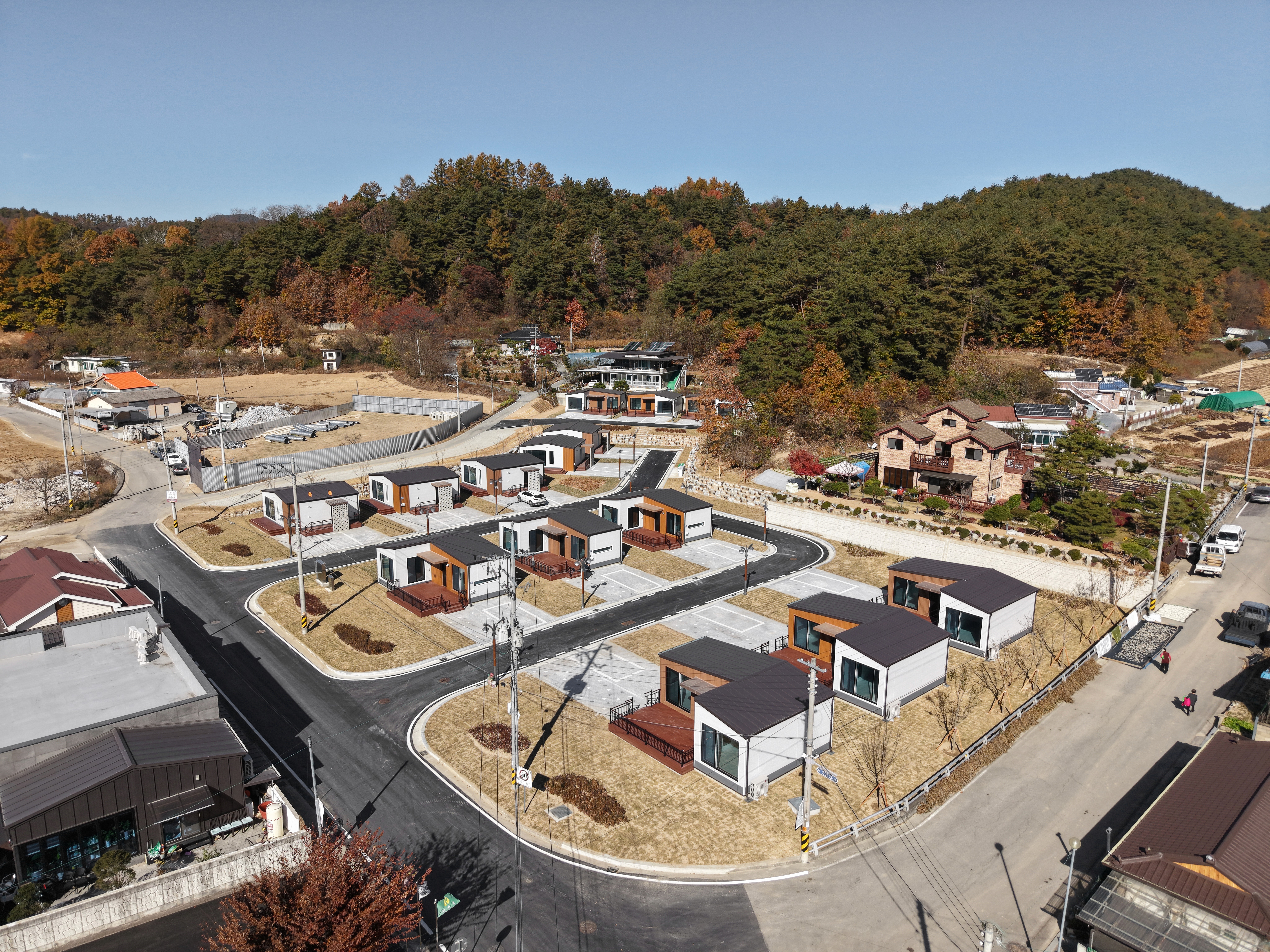
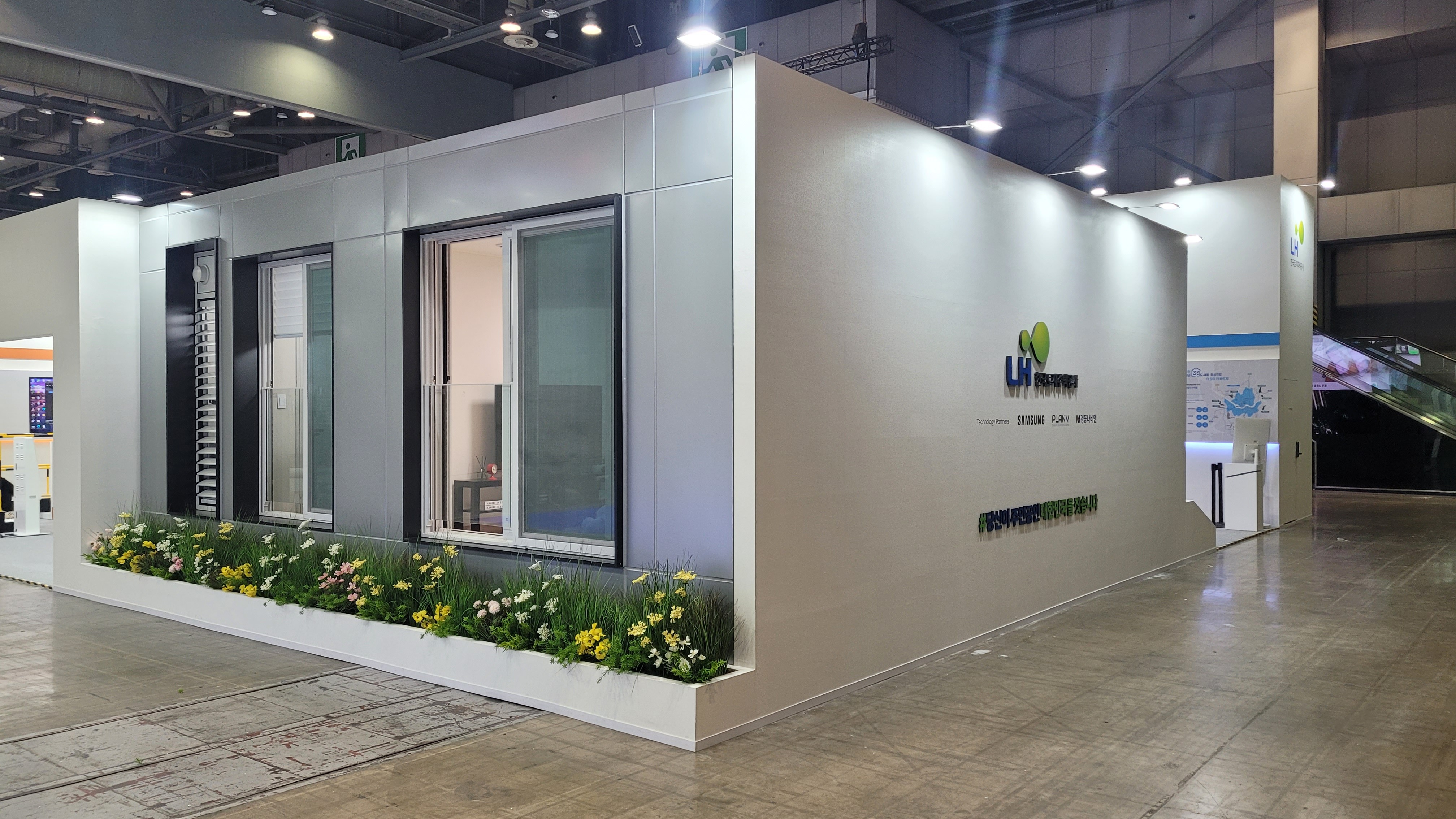
The success of PLANM in establishing a new paradigm for educational and medical infrastructure stems from its effective strategy centered on eco-friendly modular construction. The company’s modular solutions boast three core strengths: recyclability, eco-friendliness, and smart manufacturing. First, PLANM provides "movable modular" units that offer structural safety equal to or superior to traditional permanent buildings. These structures can be relocated and re-installed at different sites after their initial use, making them highly versatile for schools, residences, and hotels.
“The most powerful advantage of modular construction is mobility. This is the moment when a building transforms from fixed real estate into a movable asset. While built according to strict building codes to provide a safe educational environment, these units can be moved to another location once a lease ends. They are essentially recyclable. Our operations last year confirmed a recycling rate of over 95%.”
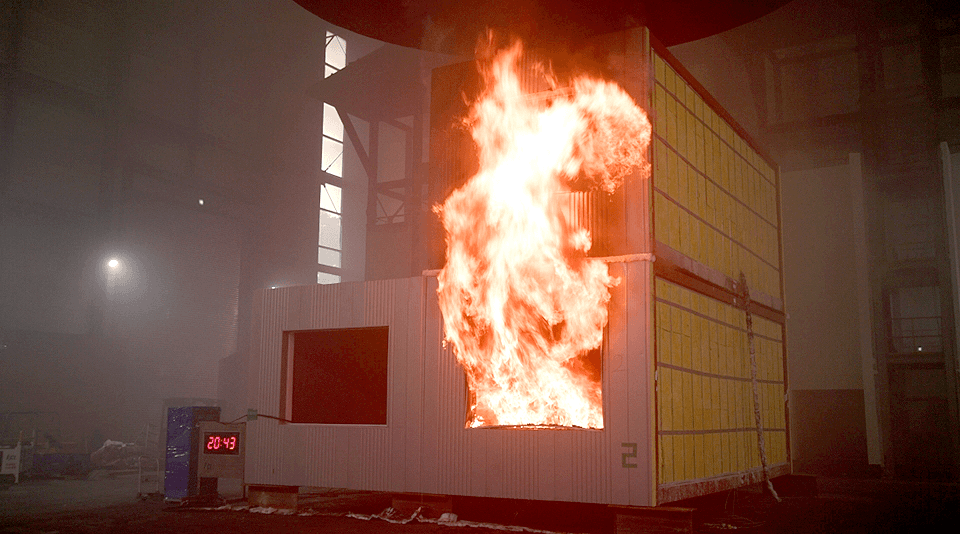
The second strength is eco-friendliness. All interior and exterior finishes in PLANM modules use eco-friendly materials, ensuring they are free from the toxic substances often emitted by traditional construction materials. Based on indoor air quality tests that significantly exceed standard requirements, these modules provide a more pleasant learning environment than conventional schools. CEO Lee Min-gyu explained that PLANM’s unique airtightness, durability, and ventilation solutions complete these comfortable indoor spaces. Safety is also paramount; the company supplies high-quality school modules—comparable to permanent school buildings—that adhere to rigorous design and production standards (Seismic Level 7, structural safety, fire resistance, and evacuation/fireproofing) that exceed standard building codes.
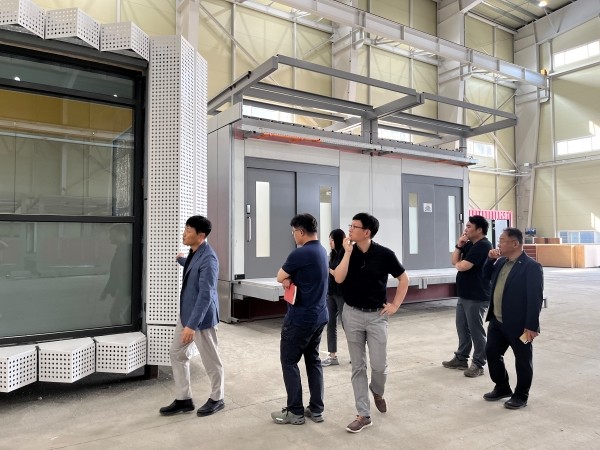
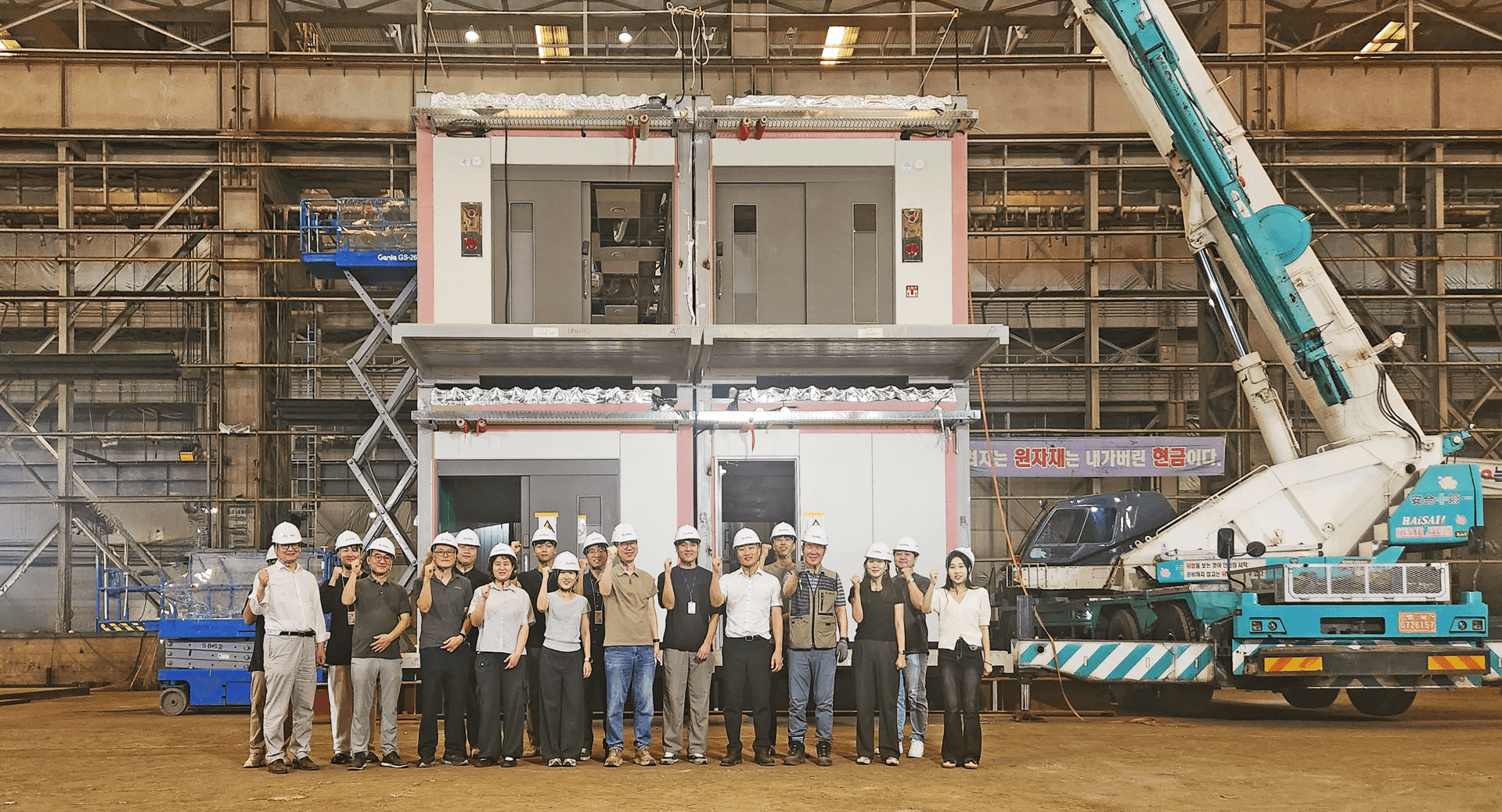
The third pillar is the smart modular manufacturing solution. Every step of the production process takes place in a dedicated modular factory. This solution, characterized by 100% pre-fabrication and simplified on-site installation, is shifting the architectural paradigm away from labor-intensive, site-centered construction. Products are pre-fabricated within 2.5 months at the factory, and on-site installation is completed in just 0.5 months, drastically shortening the construction timeline. This efficiency is why the Ministry of Education recognized PLANM’s solutions; previously, many schools struggled to modernize aging spaces due to lengthy construction periods that interfered with student safety and the right to learn.
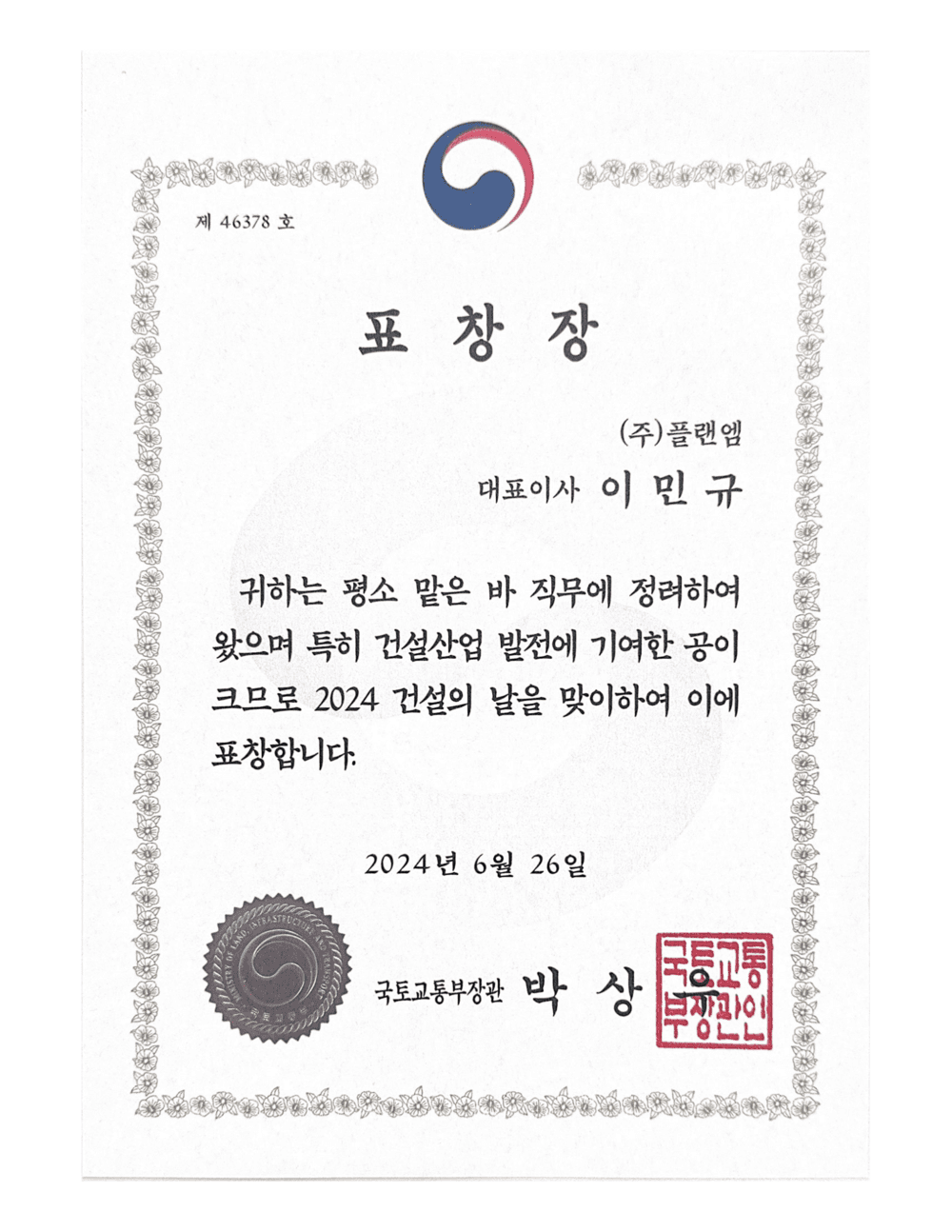
CEO Lee emphasized that PLANM’s greatest competitive edge lies in its top-tier domestic technology and the passion of its employees. Selected as a "PPS (Public Procurement Service) Innovation Product," PLANM was the only modular manufacturer to win the Gold Prize at the Public Procurement Innovation Awards. Its extensive track record of school modular installations across the country last year further proves this excellence. Lee attributed the rapid growth over the past three years to the "virtuous cycle" created by the employees' mutual passion, pledging to continue efforts to create the world’s finest spaces.
“Practicing ESG management, PLANM will enter various architectural fields with the most progressive and outstanding technology at the center of the Fourth Industrial Revolution. Every employee is working toward the single goal of PLANM’s success.”
In management, Lee emphasizes the philosophy of “Inhwa Dankyeol” (Harmony and Unity). Indeed, PLANM continues its steep growth by making rapid decisions through maximized communication. Lee believes that moving forward with a single mind is more effective than any managerial pressure. Under the principles of freedom and discipline, he emphasizes a responsible attitude. He shared his intent to build an organization with positive influence, combining the spirit of harmony with heartfelt respect and consideration.
“The most important factor when hiring for our growing company is how well a candidate harmonizes with existing members. Our people are the power behind PLANM’s growth. Even now, our employees are stationed at sites across the country leading the way. Communication based on responsibility and sincerity is the true strength of PLANM.”
The Modular Market: A Focus on Carbon Reduction and Global Ambition
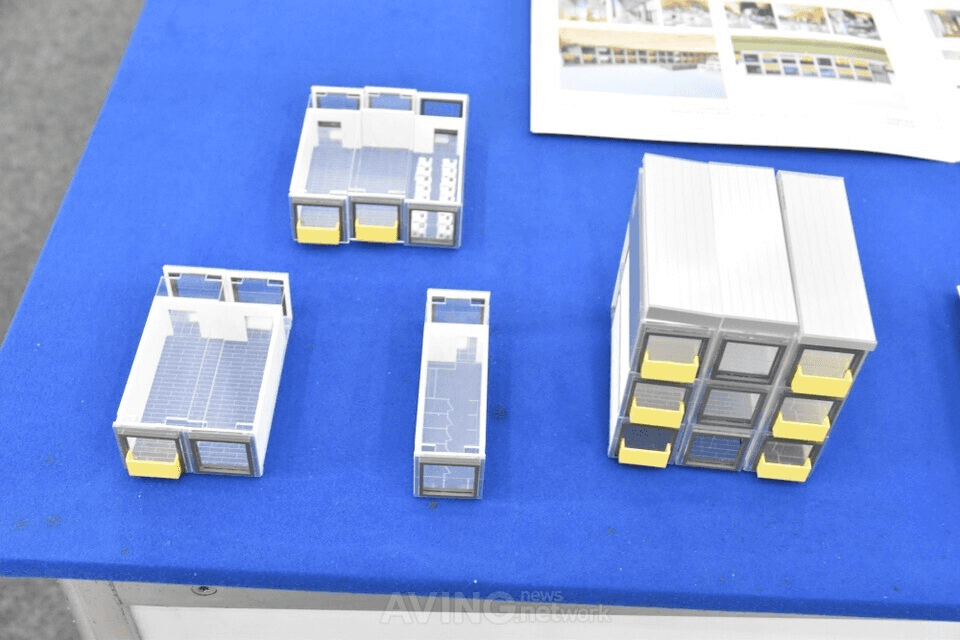
Two years have passed since PLANM first introduced its school modular units. During this time, the company has refined its technology through R&D projects with domestic research institutes and major steel corporations. PLANM now possesses five types of modular products and receives high praise for its aesthetically pleasing, custom-developed designs for each project. Furthermore, the company plans to integrate IT solutions—such as GPS and barcodes on every unit—to monitor the condition and usage of these "movable assets" in real-time. Lee views this as an investment in the future, vowing never to remain stationary.
“Buildings must not only be safe and functional but also harmonize with their surroundings to create urban beauty. A key feature of modular construction is its flexibility. While the first generation focused on eco-friendly methods, we have now advanced significantly in design. Most of our recently expanded workforce is dedicated to design and engineering. We will continue to create luxurious and beautiful buildings through ongoing R&D.”
Lee’s emphasis on future investment is rooted in the untapped potential of the domestic modular market. Although modular construction began in Korea about 30 years ago, he explains it is still in its infancy compared to European and North American markets. As school modular products gain popularity, Tier-1 construction companies are also rushing into the field. Lee anticipates that as competition intensifies and superior products are released, an even larger-scale modular market will open in Korea.
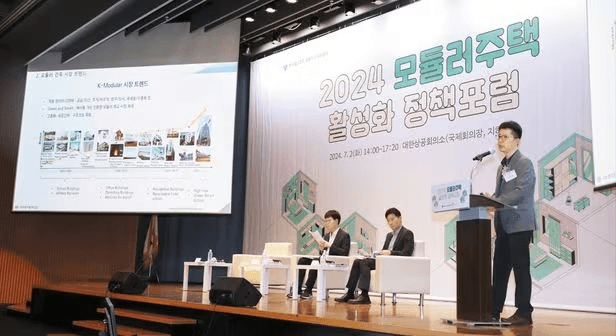
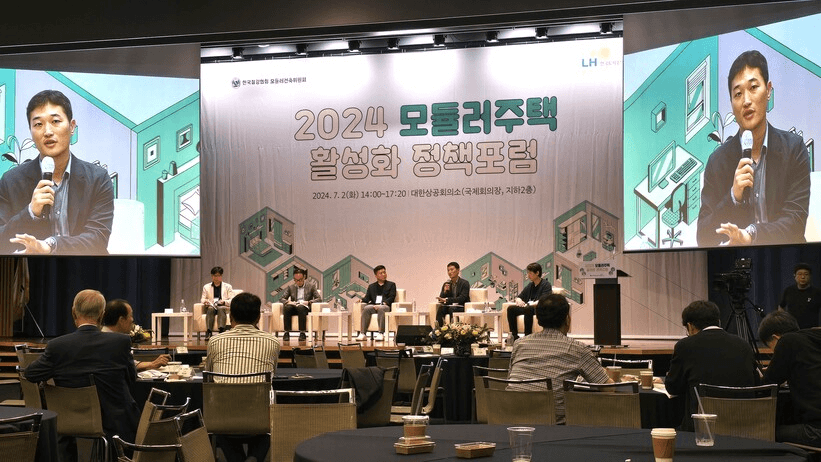
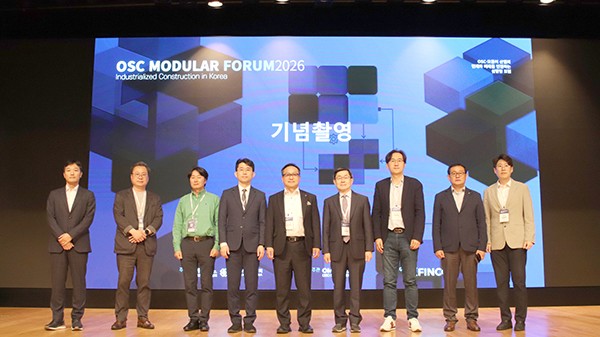
Recently, modular construction has been spotlighted as a powerful tool for reducing carbon emissions. Research shows it can contribute significantly to carbon neutrality, in addition to its known benefits of shorter construction times and reduced waste. Buildings account for 7% of Korea’s total greenhouse gas emissions, with residential buildings making up 65% of that figure. A recent report from the Smart Modular Forum stated that modular methods can reduce carbon emissions by approximately 20% compared to traditional reinforced concrete (RC) methods. Analysts suggest that as the market expands, this reduction effect could exceed 40%.
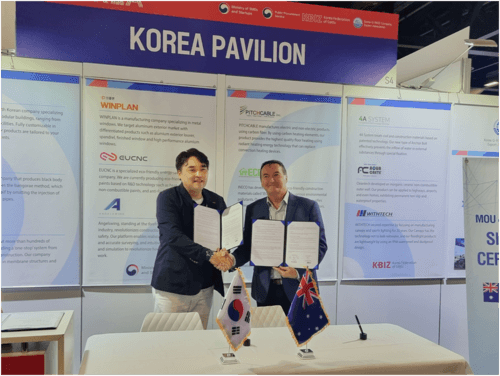
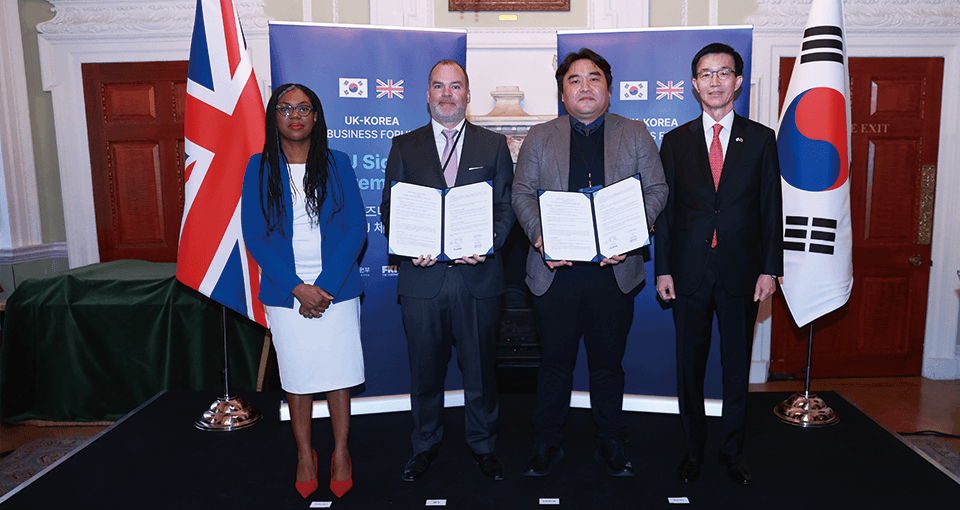
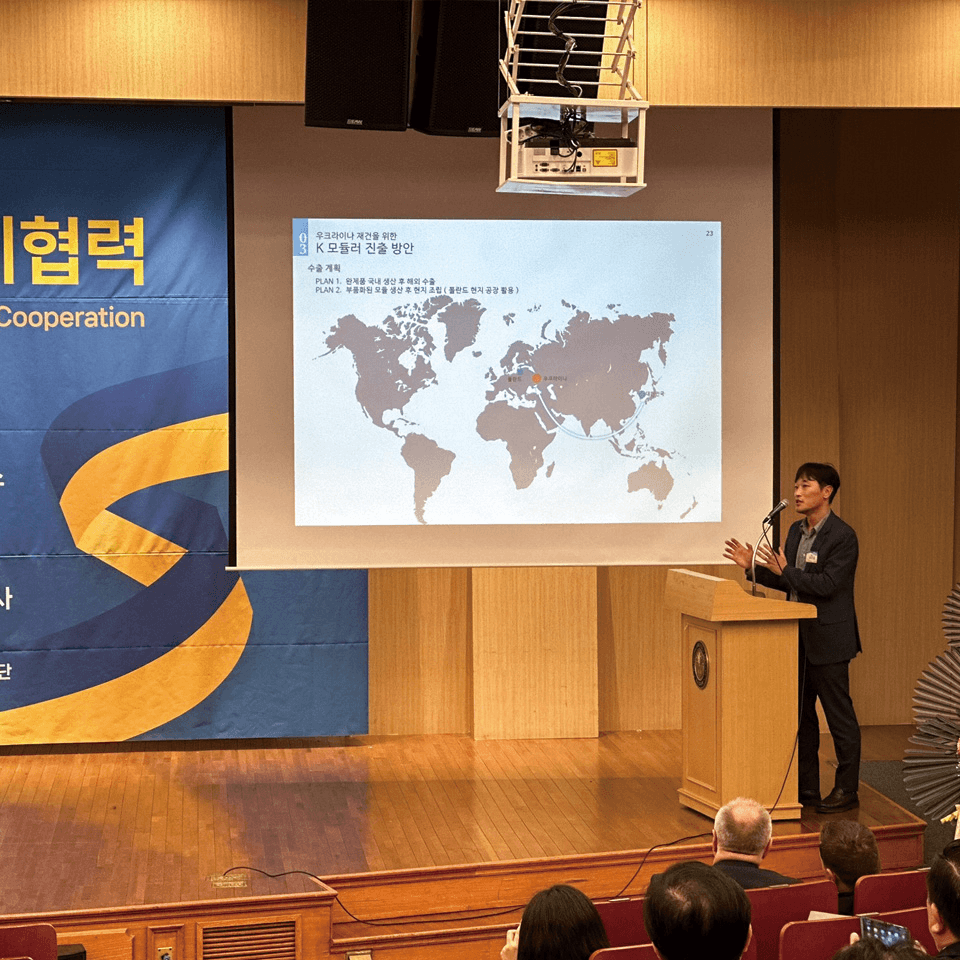
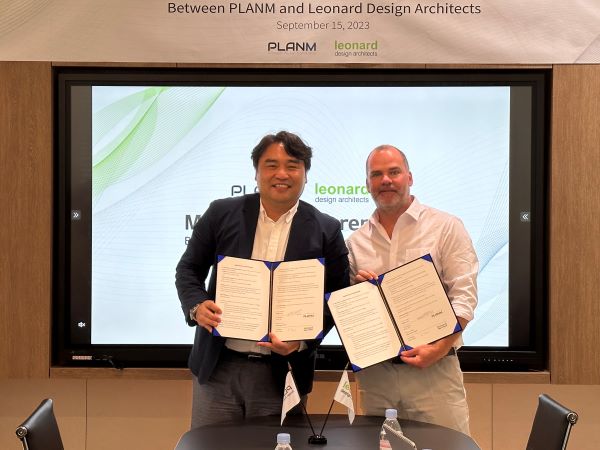
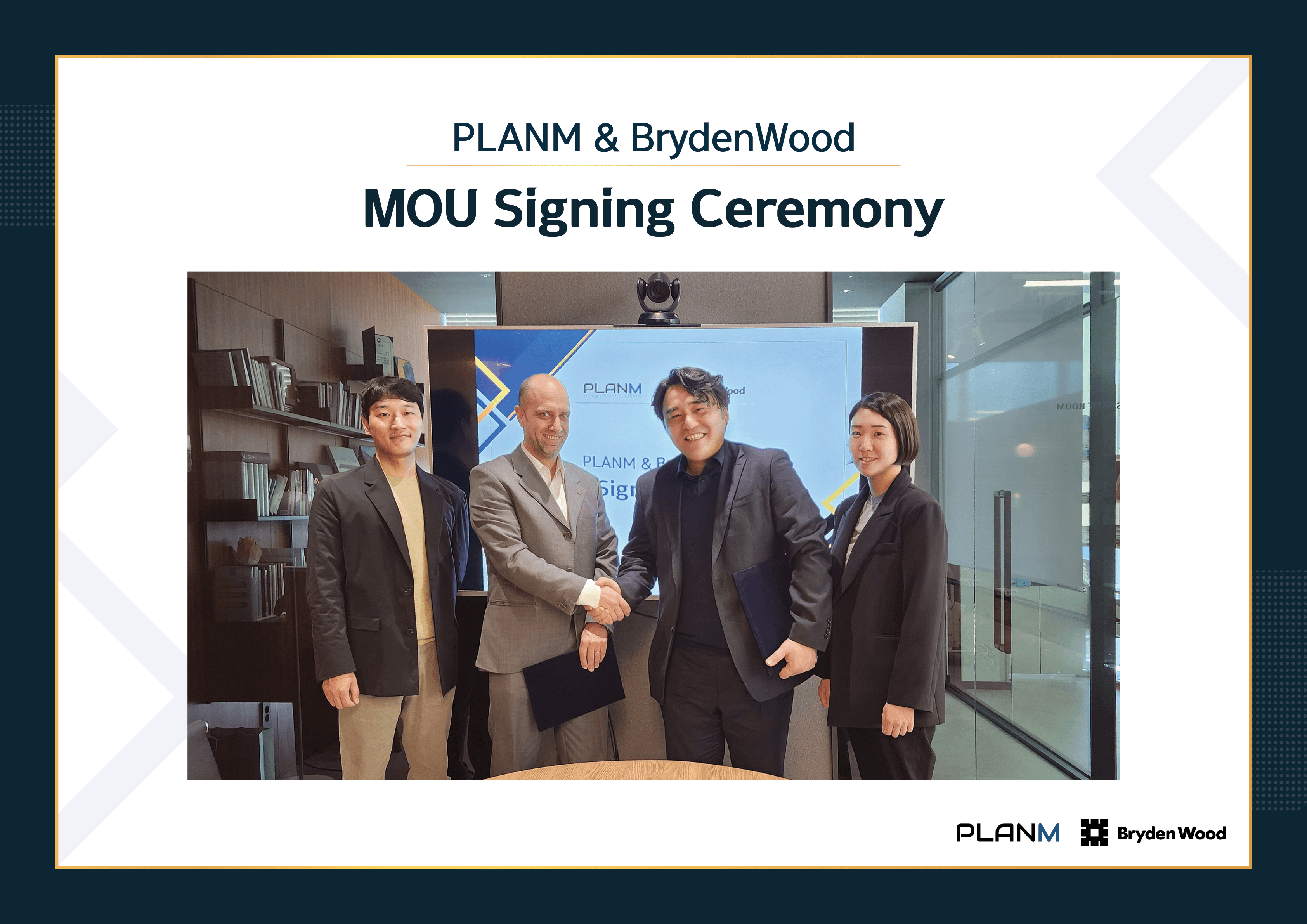
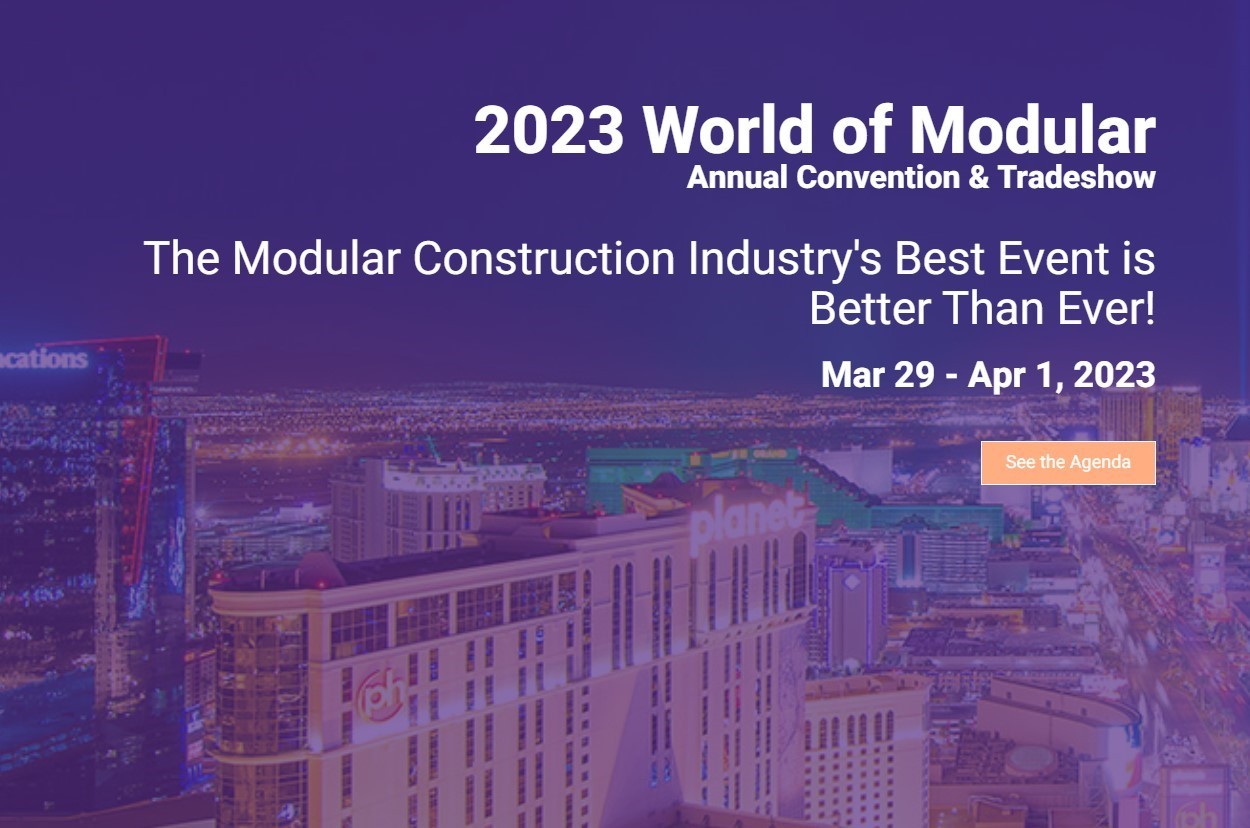
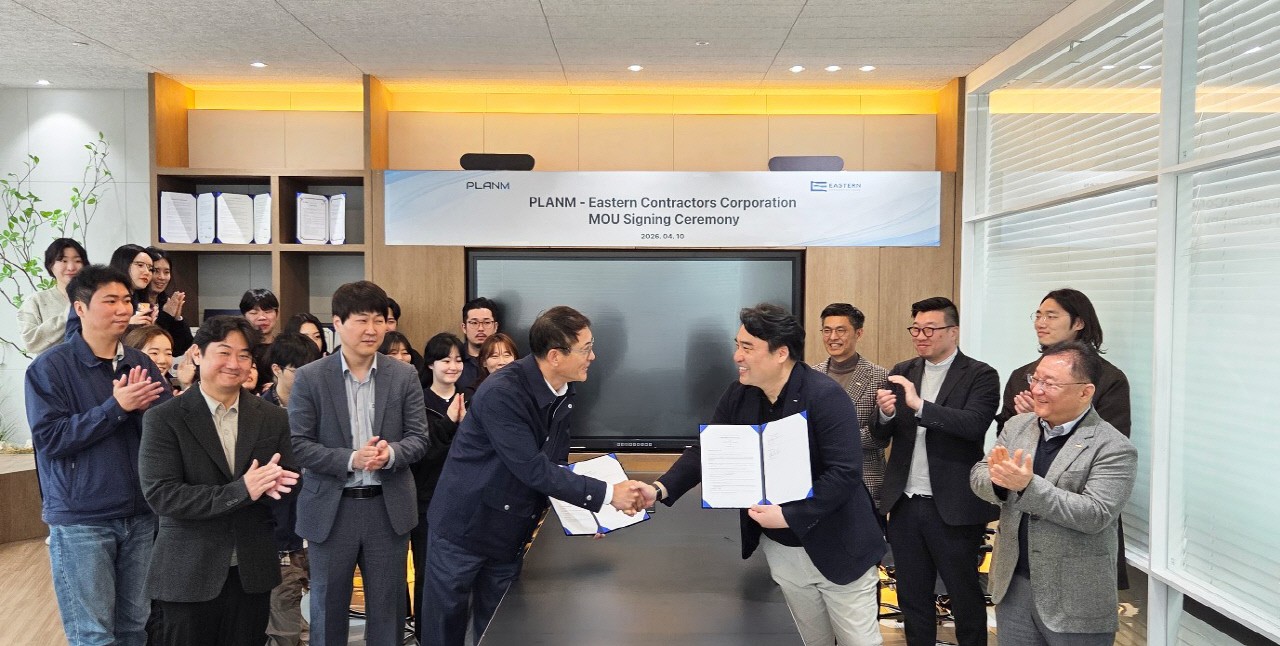
Since its inception, PLANM has set global expansion as a top priority. The company is actively collaborating with overseas modular engineering firms to develop new technologies. Starting in the second half of this year, it plans to participate in international projects to test its movable modular technology. Lee stated he intends to challenge the more mature overseas modular markets first, particularly in the residential sector. Confident that 2023 will be the inaugural year for PLANM as a global enterprise, the company will showcase its products at a modular expo in Las Vegas this April.
“We are executing our business plans one by one. I am grateful that we are able to do even more than I originally envisioned at the time of founding. With our technology and drive, we will grow beyond a leading domestic firm to become the world’s best modular company.”
Sharing Success to Create a Warmer World
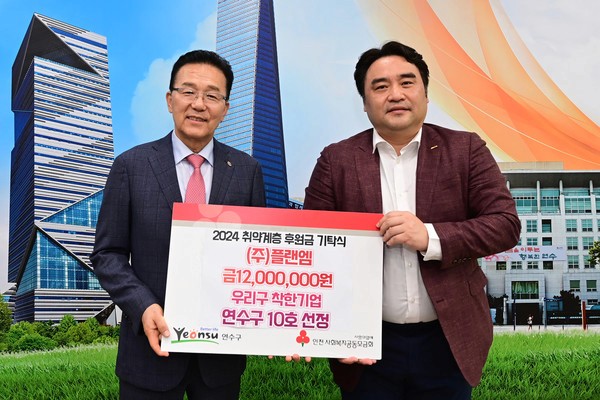
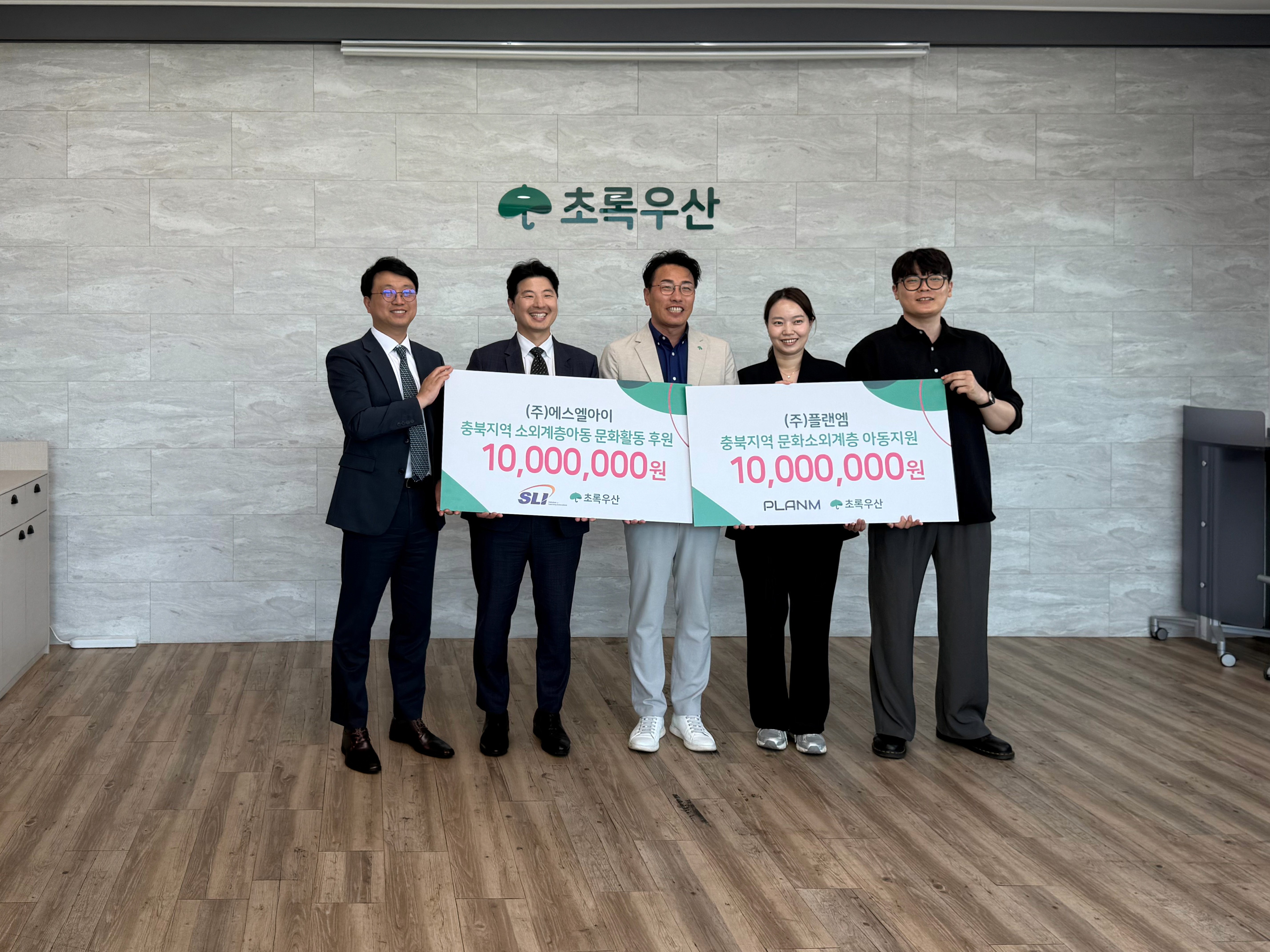
“My experience in large organizations has been an invisible help in leading this business. Although we are currently a small-to-medium enterprise, we are growing systematically with a clear vision. Philanthropy is part of that blueprint. Since I feel that a company grows through social support, it is only natural to share profits back with society. We will continue to grow as a company that fulfills its social responsibility.”
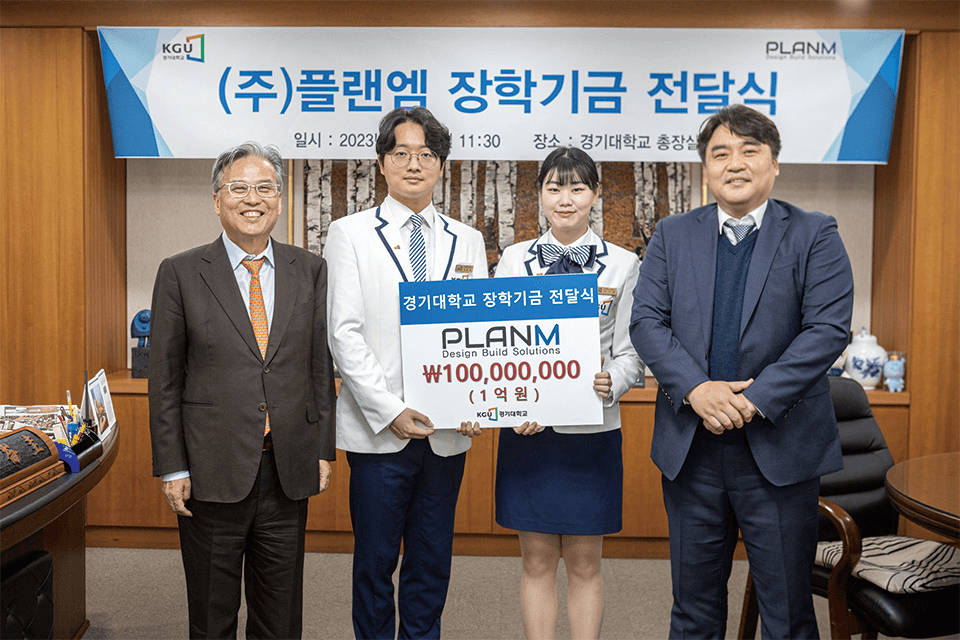
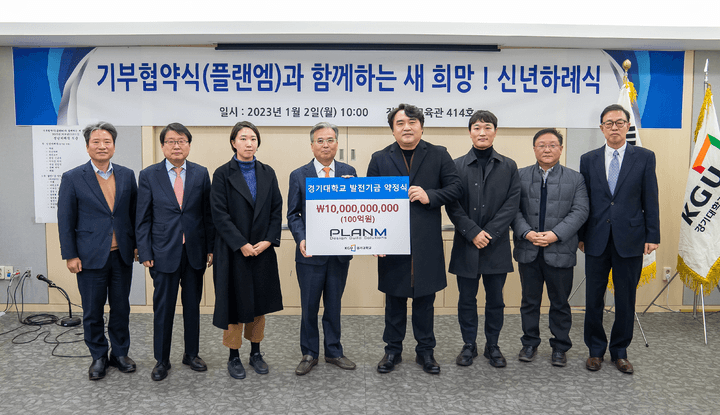
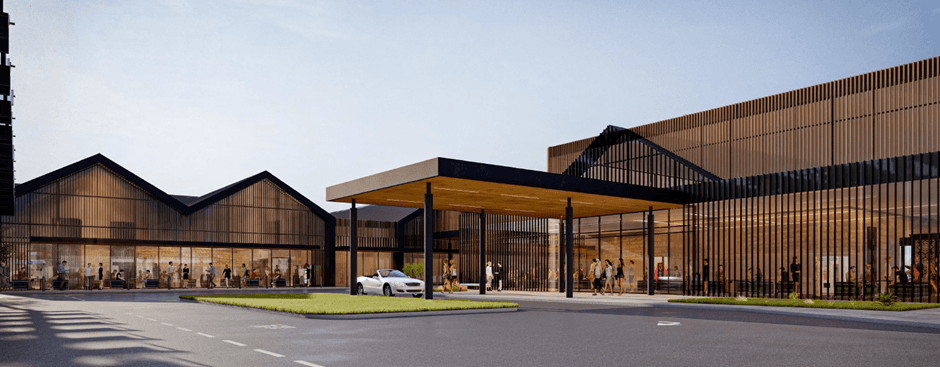
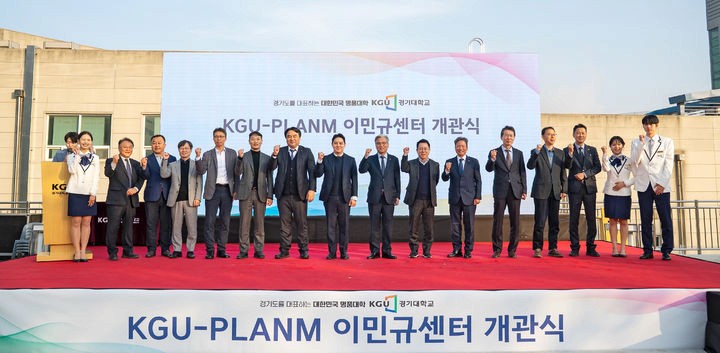
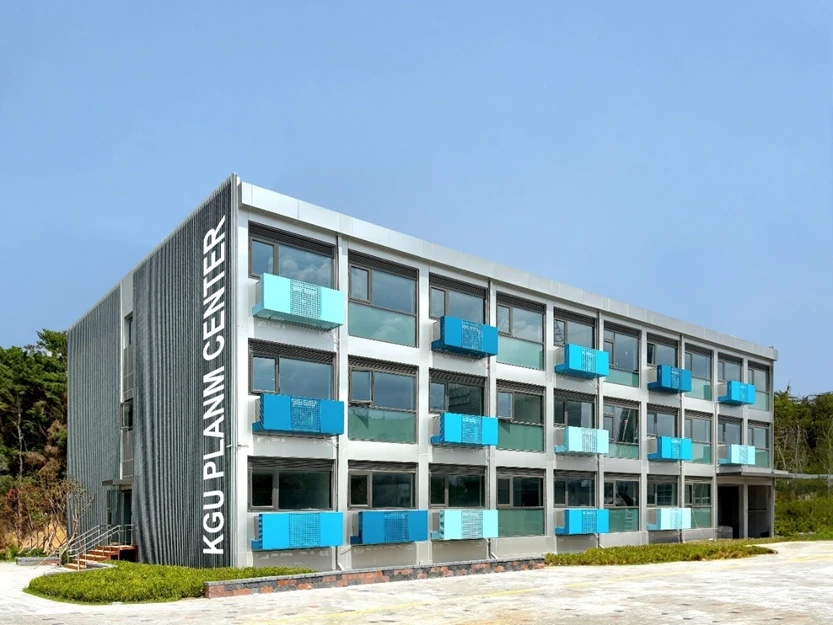
Last January, PLANM pledged 10 billion won in cash and in-kind donations to Kyonggi University. This fund will be used to build the “PLANM Center,” an eco-friendly space for all students to use as research and lecture facilities. This decision was driven by CEO Lee’s personal ties to the university; a member of the Class of '95, he has also served as an adjunct professor for the past two years. Grateful for the support and budgets from the Ministry of Education that fueled PLANM’s rapid growth, Lee decided to create a meaningful educational space at his alma mater.
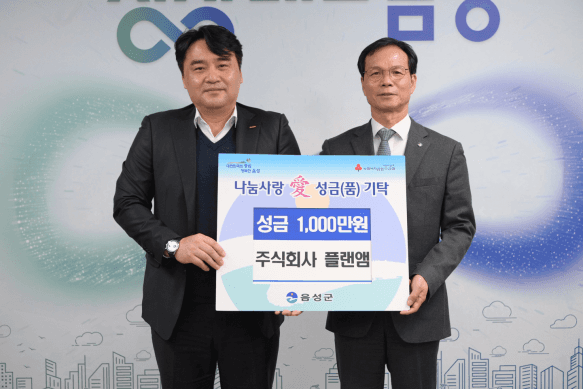
“PLANM will continue its philanthropic efforts to create a ‘positive social virtuous cycle.’ We could have postponed donations to focus on immediate growth, but I decided to act now, believing this difficult choice would have a greater impact. PLANM’s small successes will consistently be returned to society. We will do our part to create a world where many good things continue to happen.”