[Dnews] Modular Industry Defies "Funding Winter" with Series of Major Capital Injections
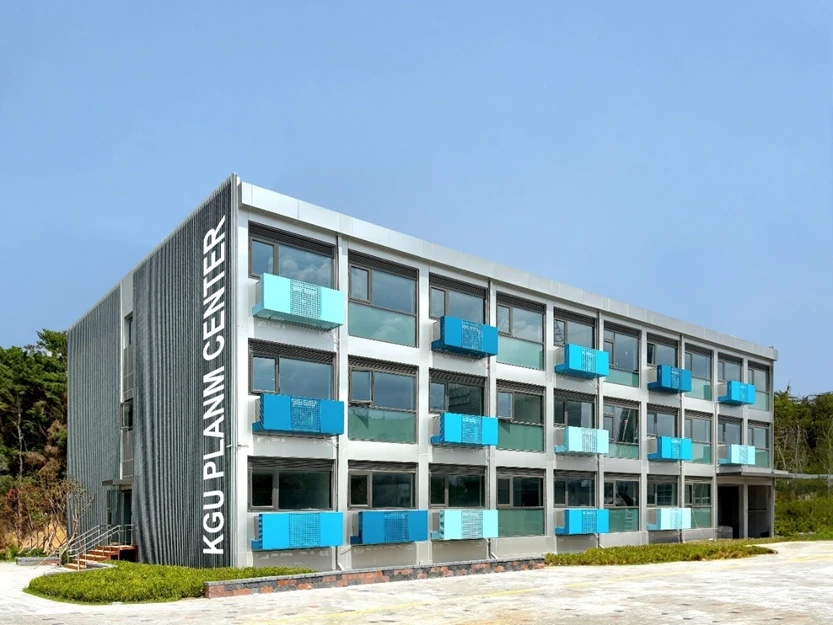
(SEOUL = Dnews) – As the advantages of modular construction—including consistent quality, shortened construction timelines, safety, and eco-friendliness—gain significant prominence, companies specializing in modular manufacturing and construction are receiving a continuous stream of "love calls" from investors.
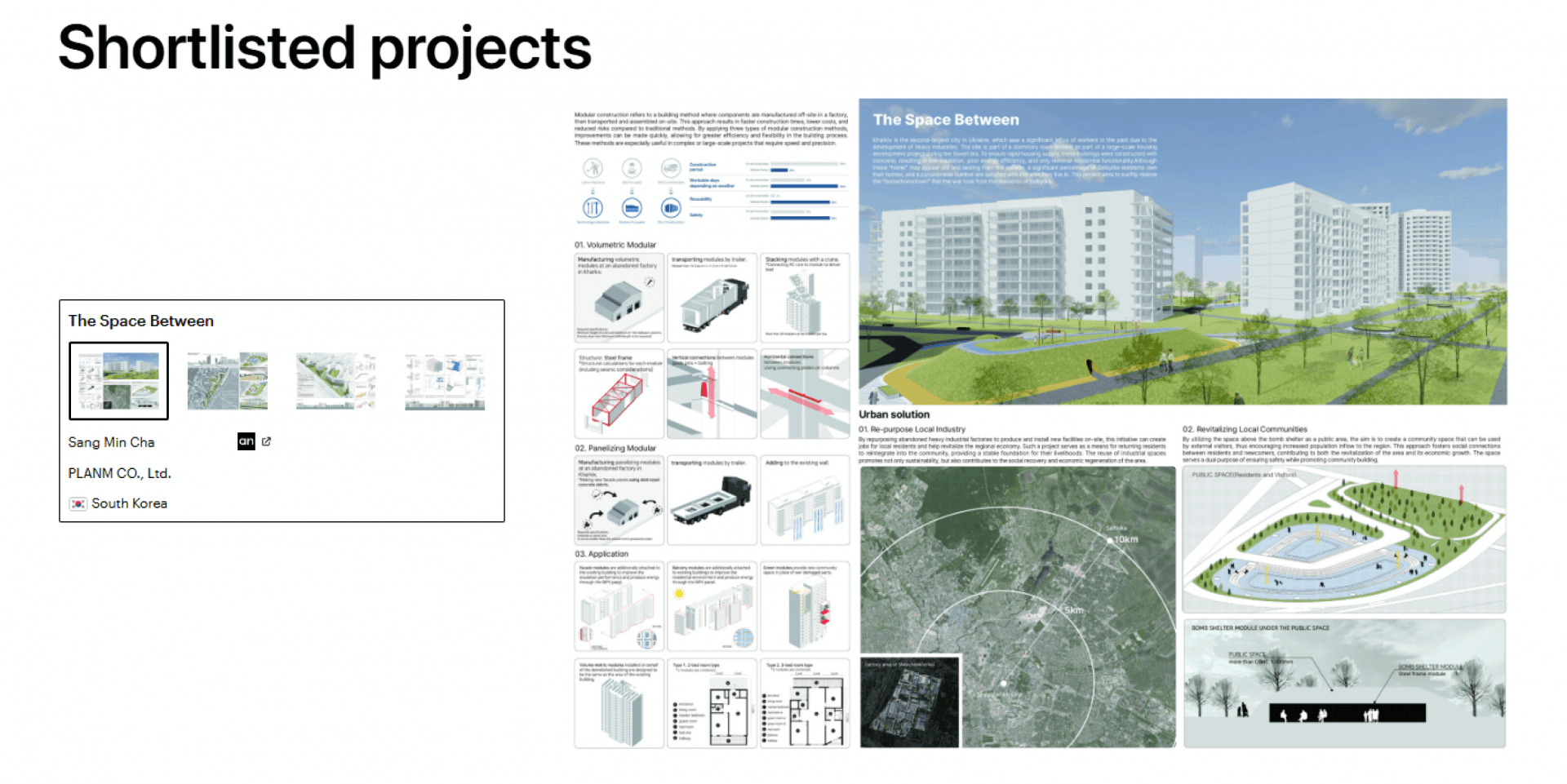
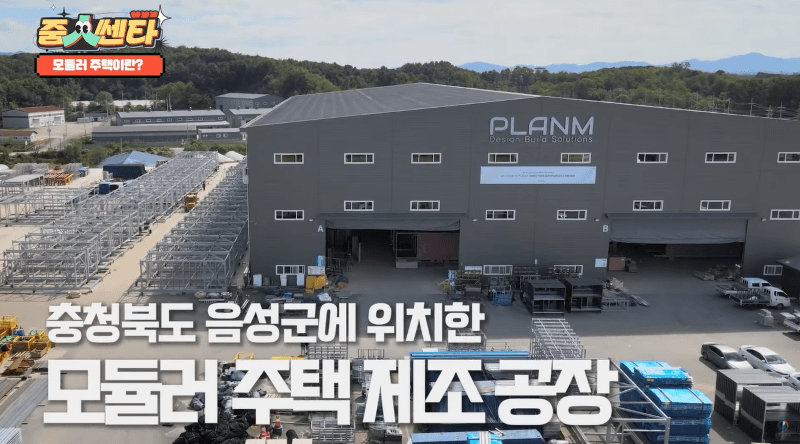
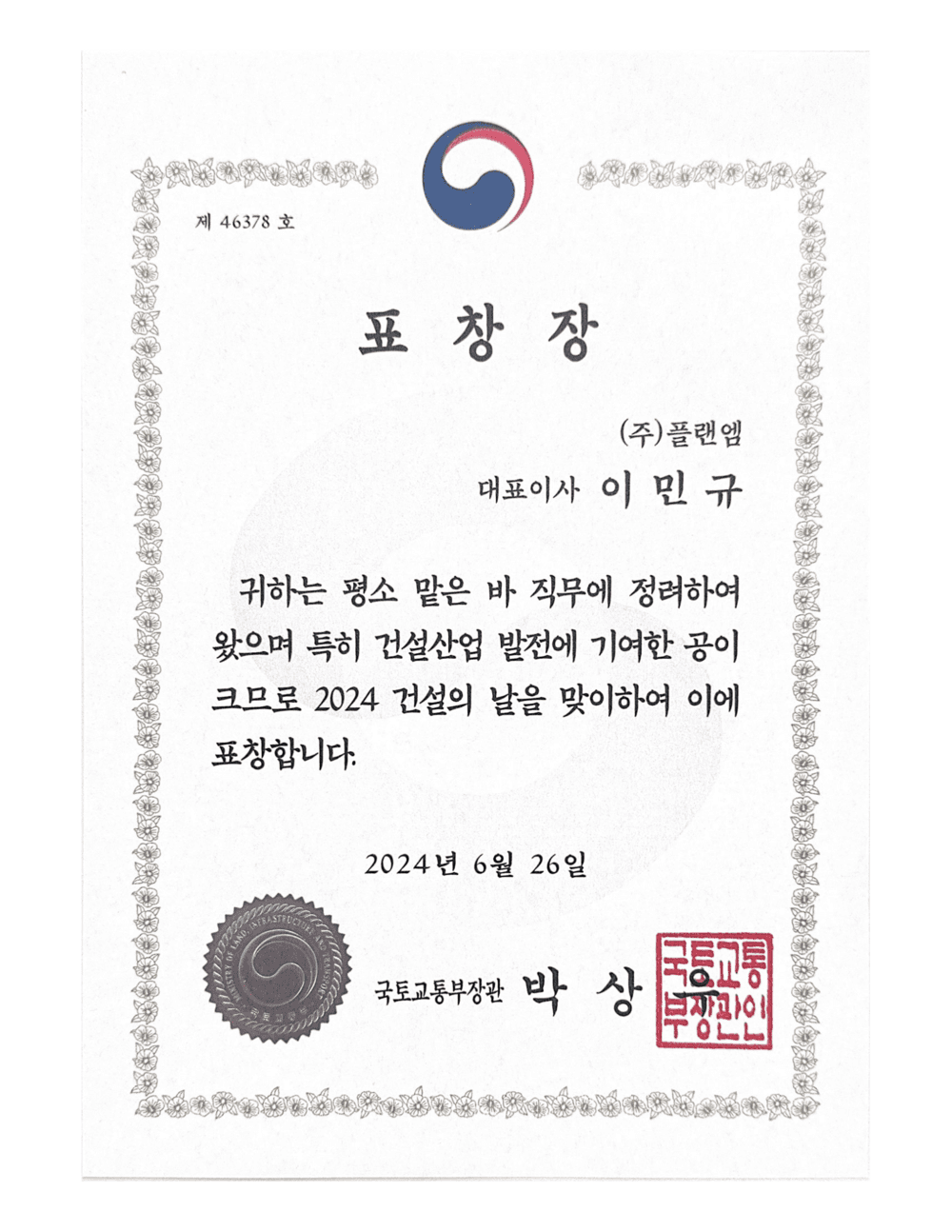
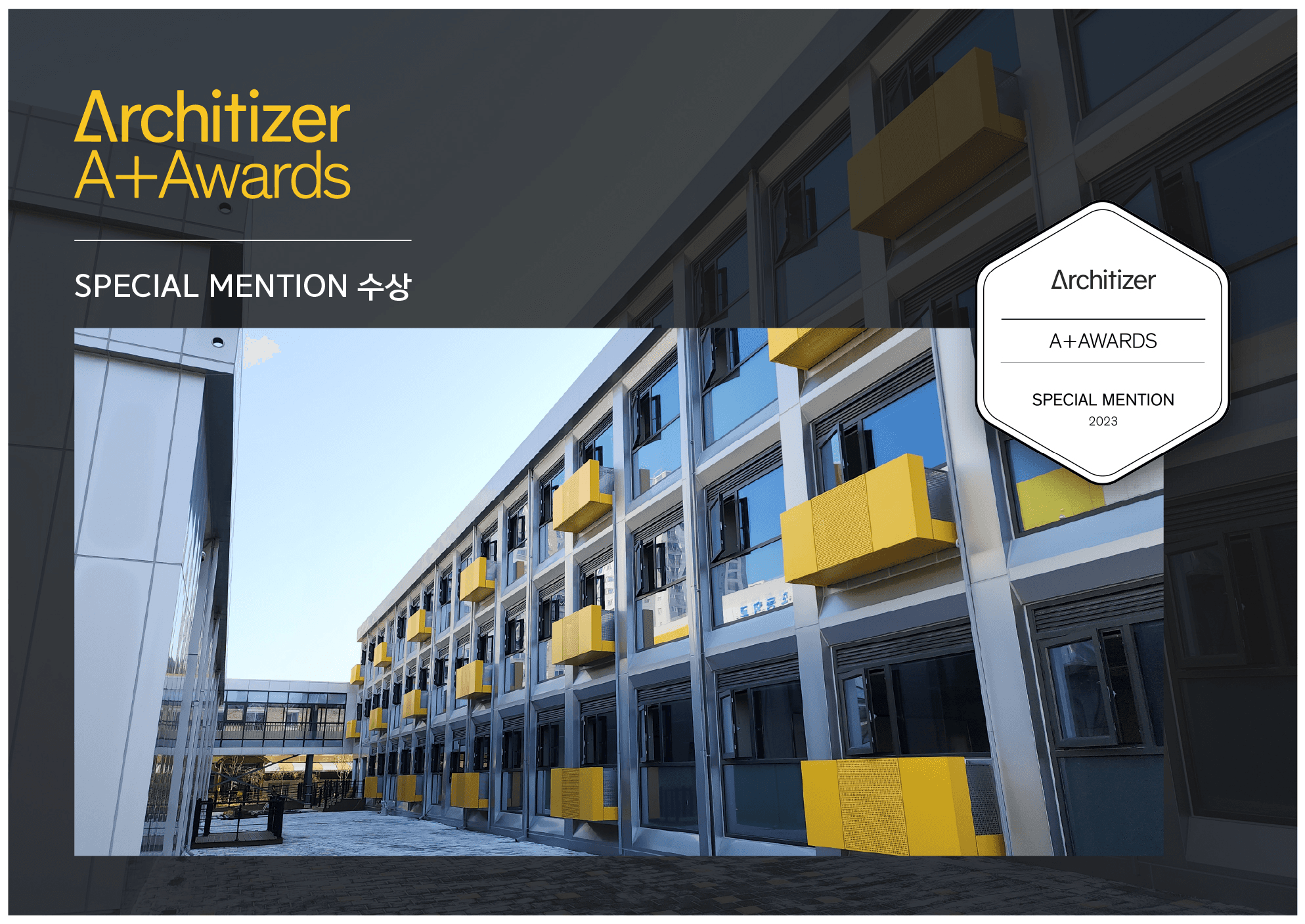
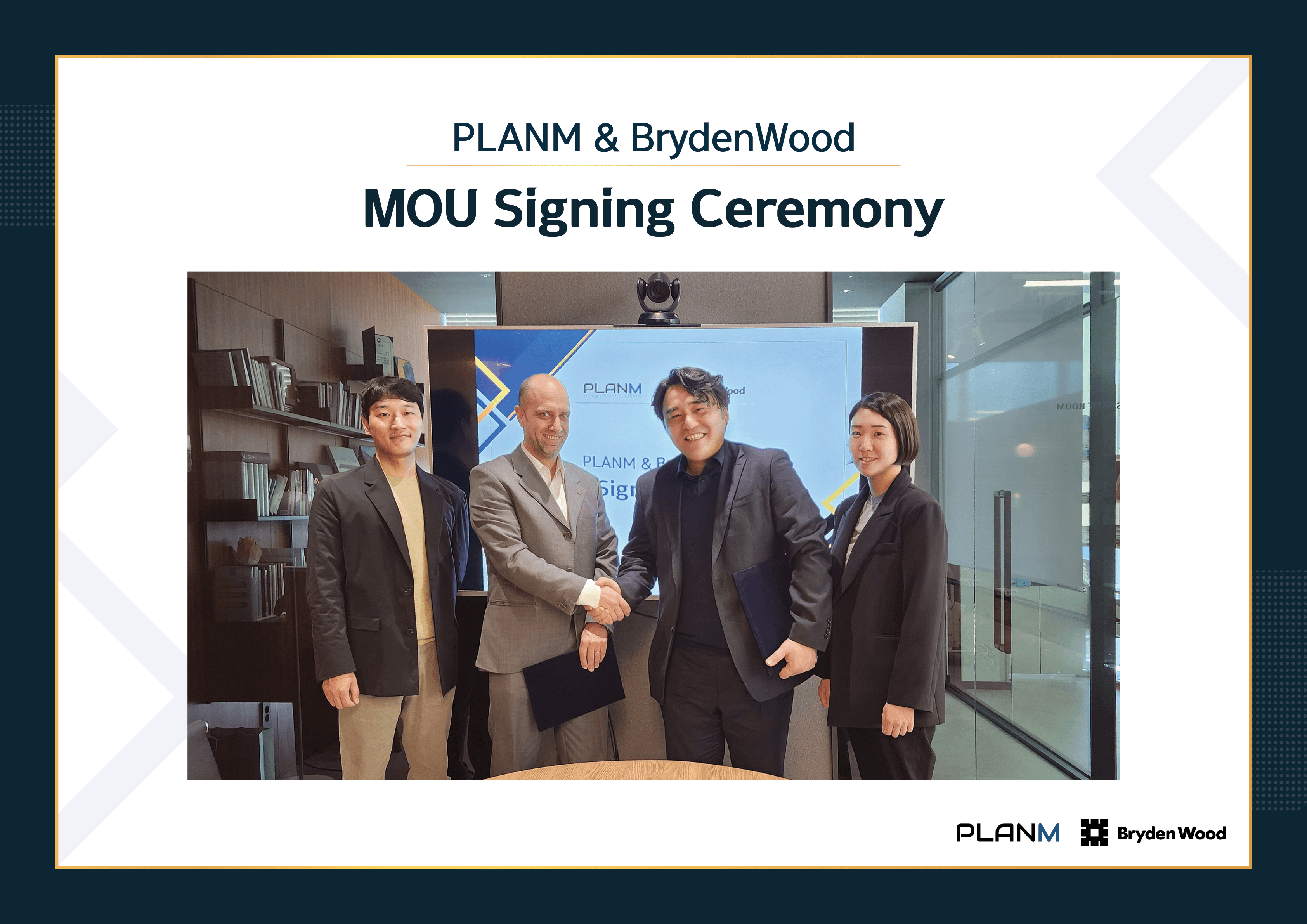
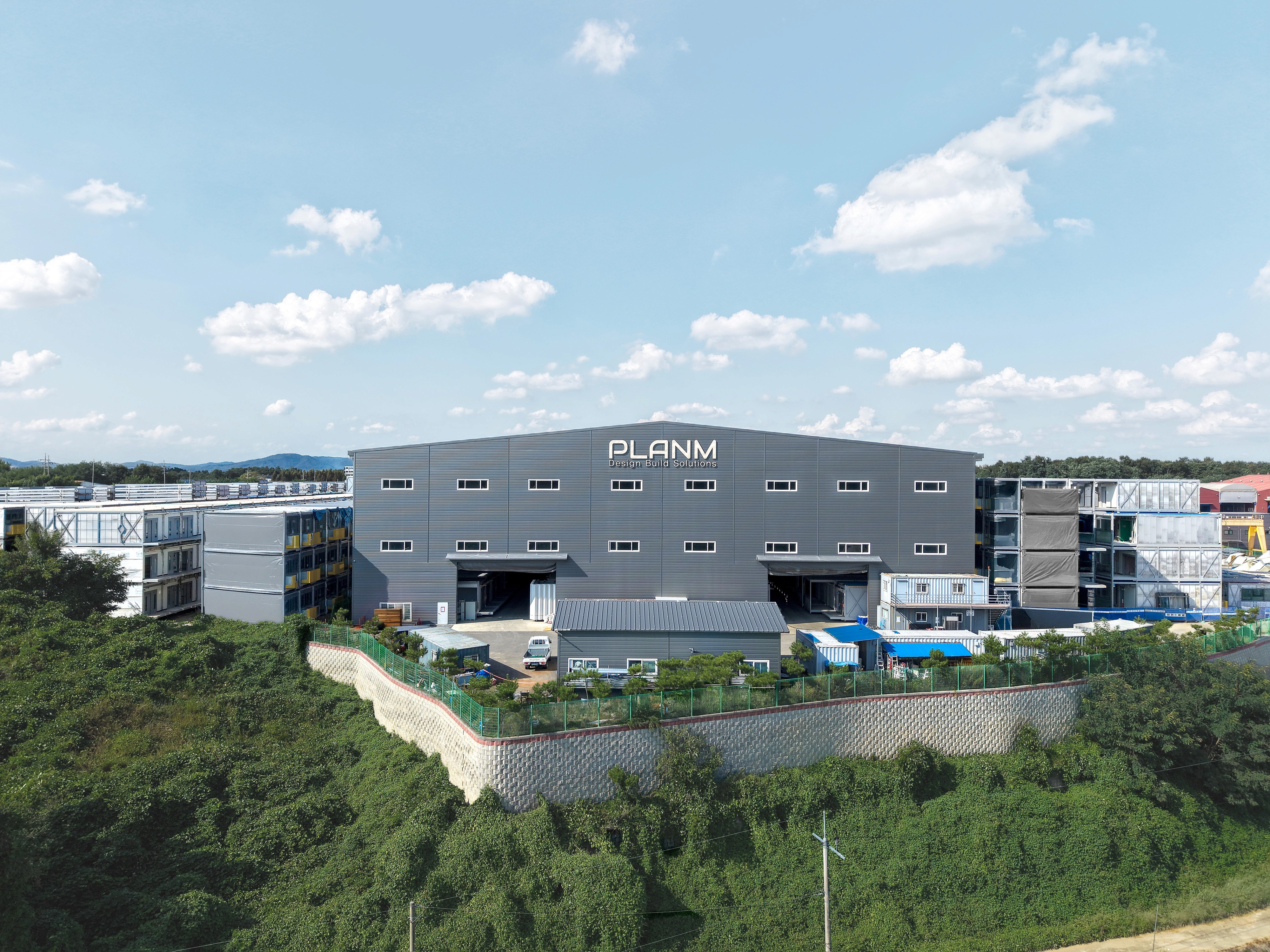
According to industry sources on the 23rd, modular manufacturers such as PLANM, NRB, and Daeseung Engineering have successfully concluded successive rounds of capital raising.
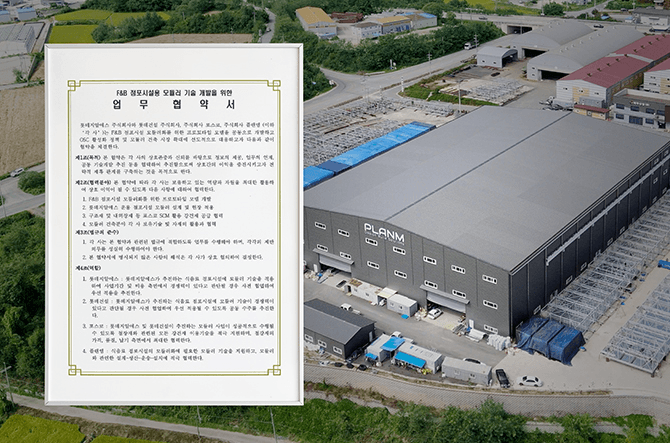
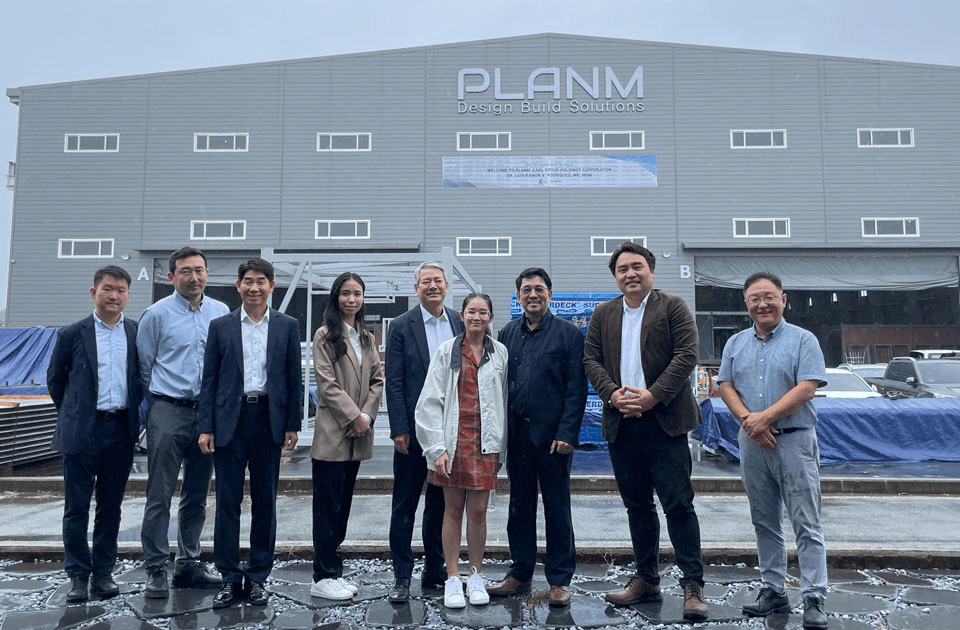
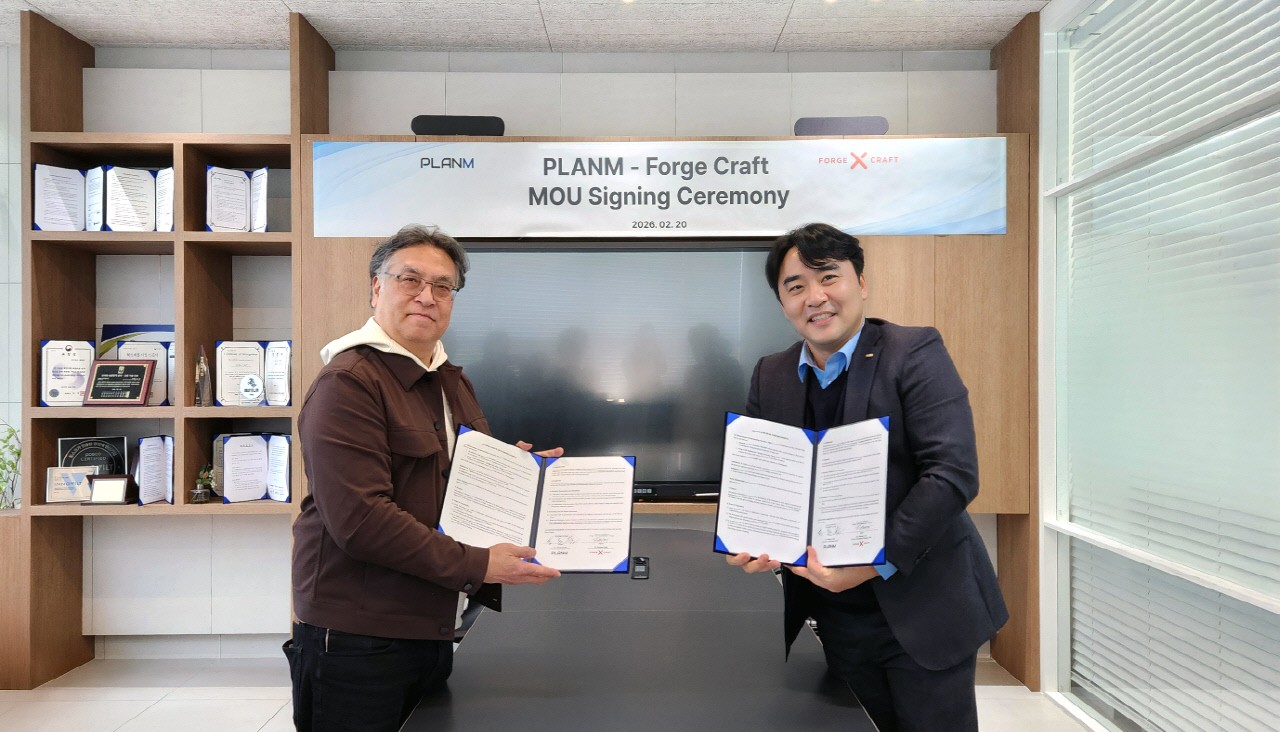
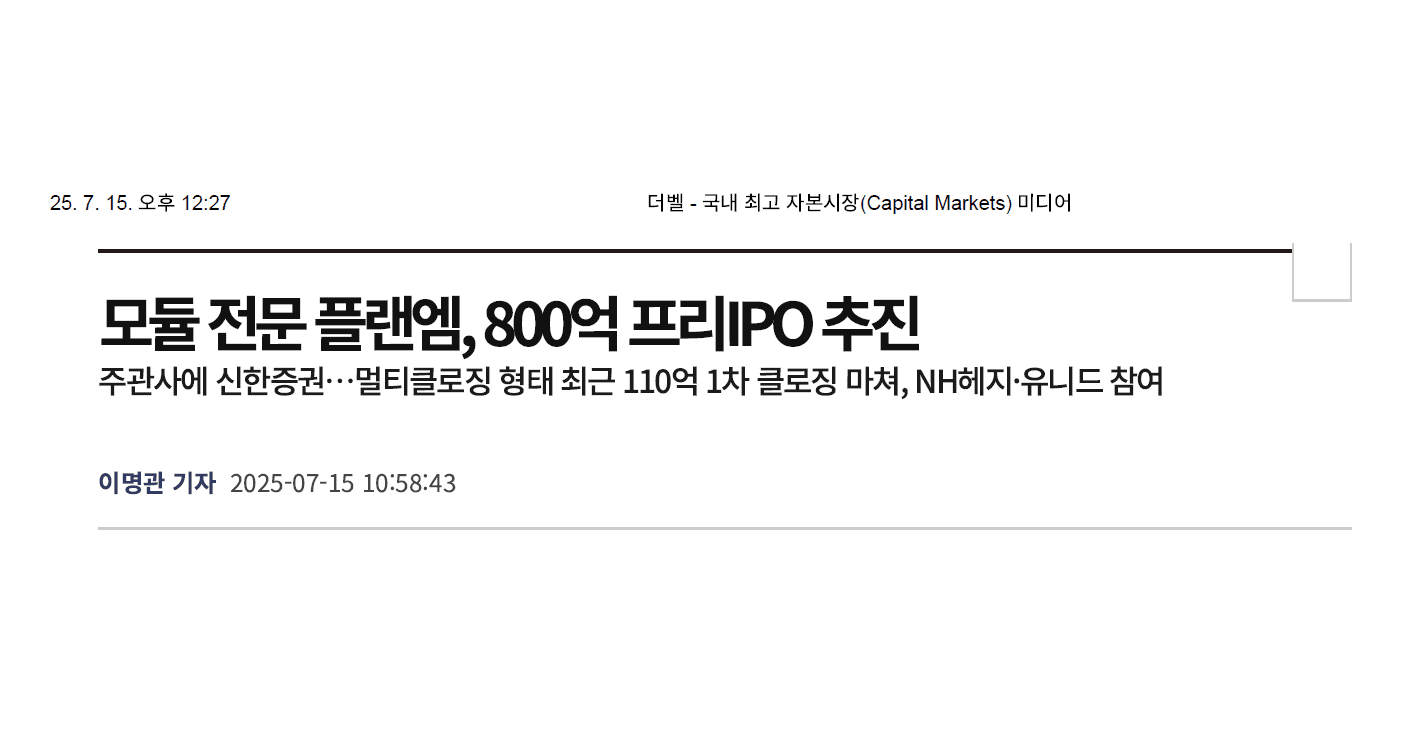
At the end of last year, PLANM secured 26 billion KRW in investment from a consortium including IBK Investment & Securities, DS Asset Management, SBI Investment, Shinhan Asset Management, and Samsung Securities. The lead investor, IBK Investment & Securities, contributed a total of 10 billion KRW—80 billion KRW of which was raised through a project fund, with the remaining 20 billion KRW provided via the ‘IBK Financial Group-DS Green Finance Blind Fund,’ which is co-managed (Co-GP) with DS Asset Management.
Previously, in September of last year, PLANM also attracted 25 billion KRW from IBK Investment & Securities and United Asset Management Company (UAMCO). In that instance, IBK Investment & Securities also deployed capital through a corporate financial stability blind fund co-managed with UAMCO. Consequently, PLANM’s cumulative investment to date has reached 51 billion KRW, the largest amount of pure investment capital ever raised by a modular firm.
NRB, after attracting 11.8 billion KRW in its Series A round in June 2022, recently secured approximately 5 billion KRW in Pre-IPO funding, bringing its total investment to 16.8 billion KRW. It is reported that Mobirix Partners, which has been an investor since NRB's inception, acted as the sole investor for this Pre-IPO stage.
Currently, NRB is pursuing an Initial Public Offering (IPO) with the goal of listing on the KOSDAQ within the year. Having selected NH Investment & Securities as its lead manager, the company plans to submit a preliminary IPO review application to the Korea Exchange as early as the first half of the year. Notably, in 2022, the company secured a 50 billion KRW project financing (PF) loan from KB Securities by having its mobile school modular units recognized as assets—marking the first instance of a loan secured against modular units as non-real estate collateral.
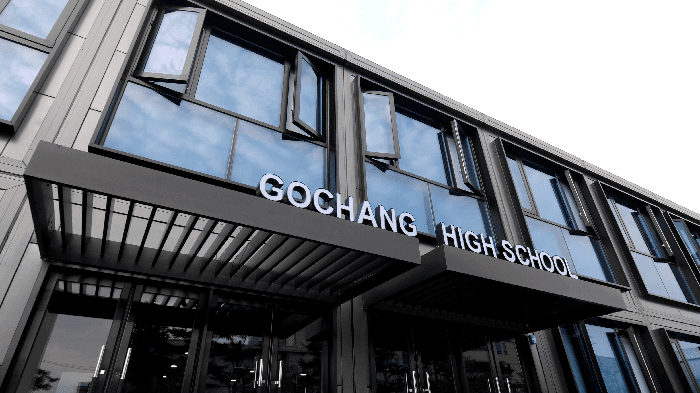
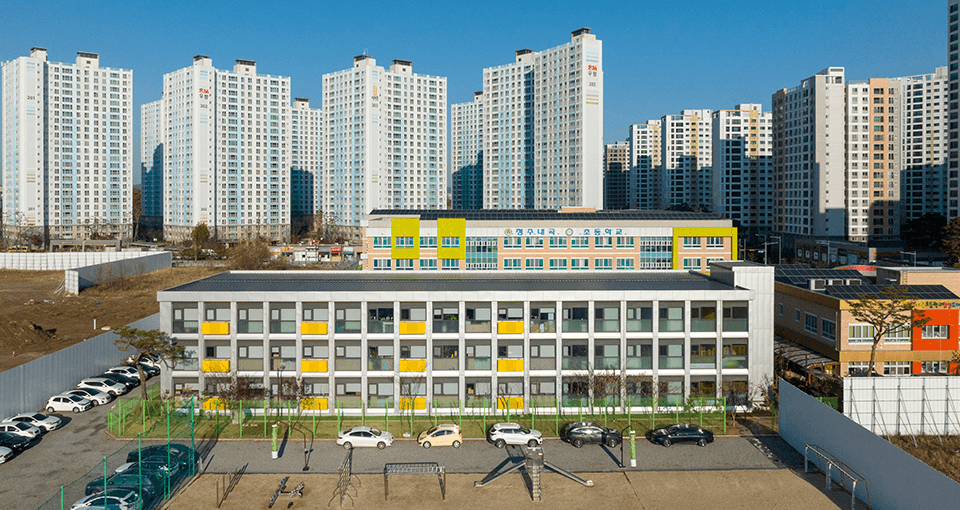
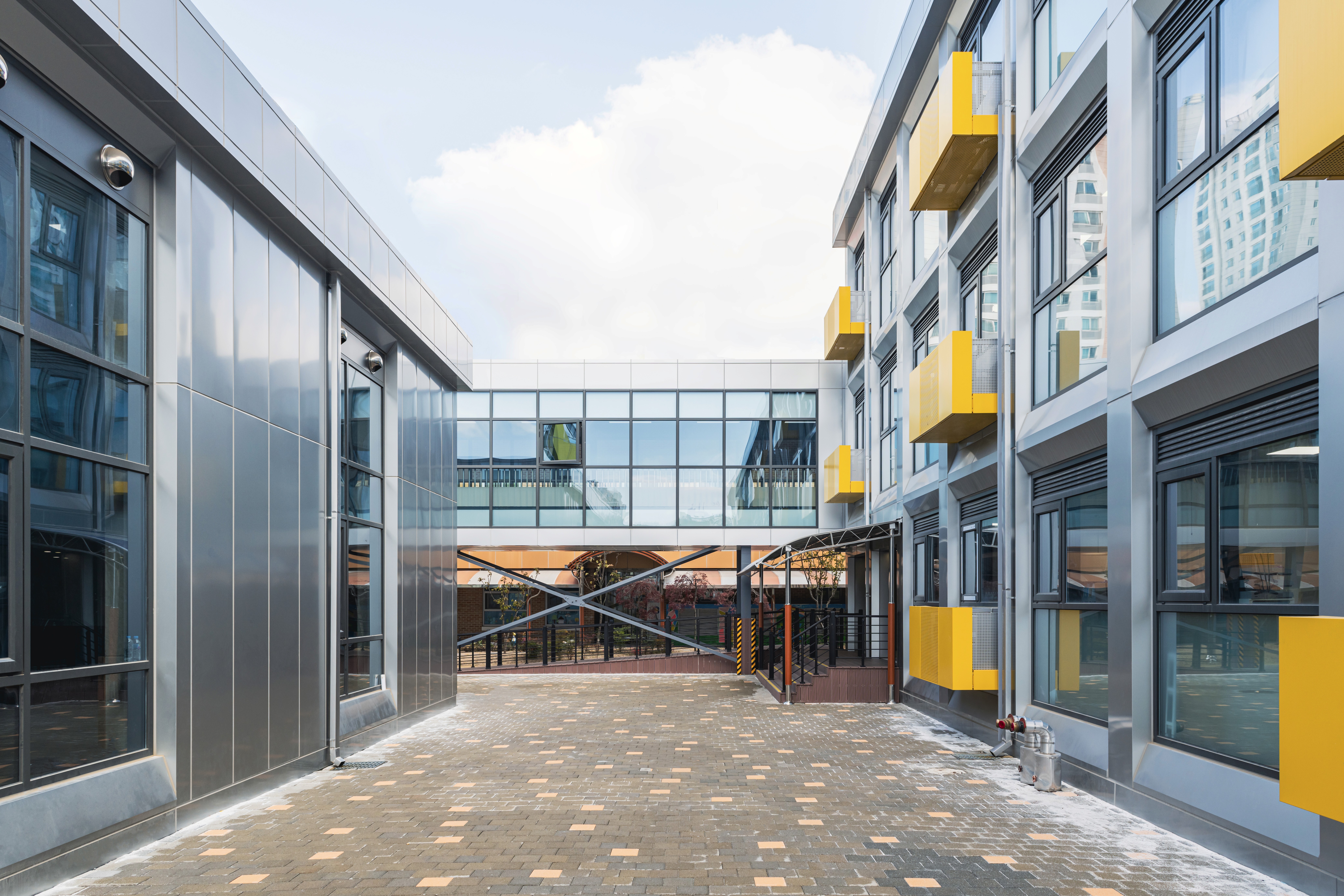
Daeseung Engineering also succeeded in raising capital by having its modular units recognized as valid assets. The company secured a total of 25.5 billion KRW from five banks, including Jeonbuk Bank and Daegu Bank. This financing was backed by 2,314 modular units currently owned or leased to various local offices of education, as well as the associated rental income bonds.
The steady influx of capital into modular manufacturers, even during an "investment cold snap," is attributed to the increasingly prominent advantages of modular construction.
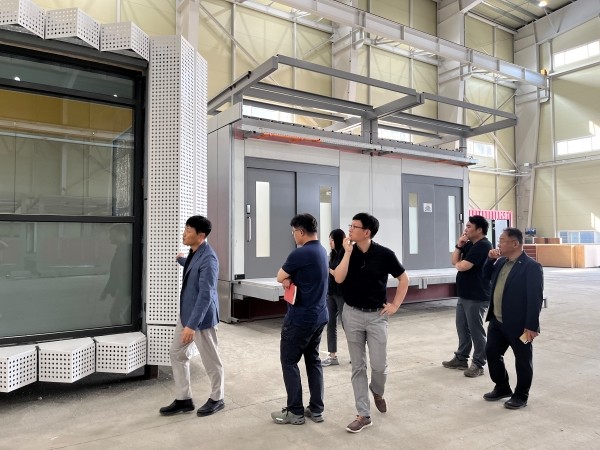
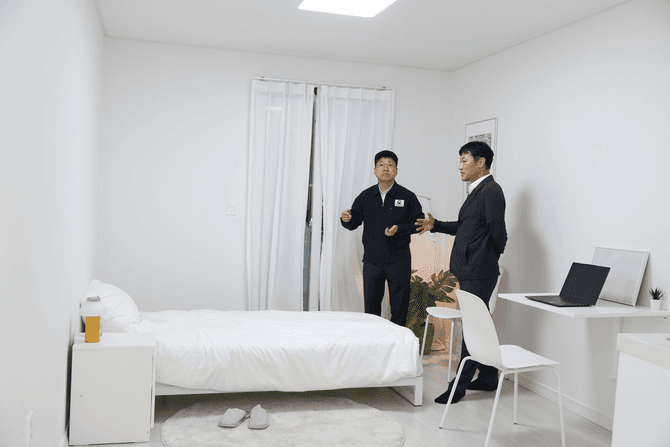
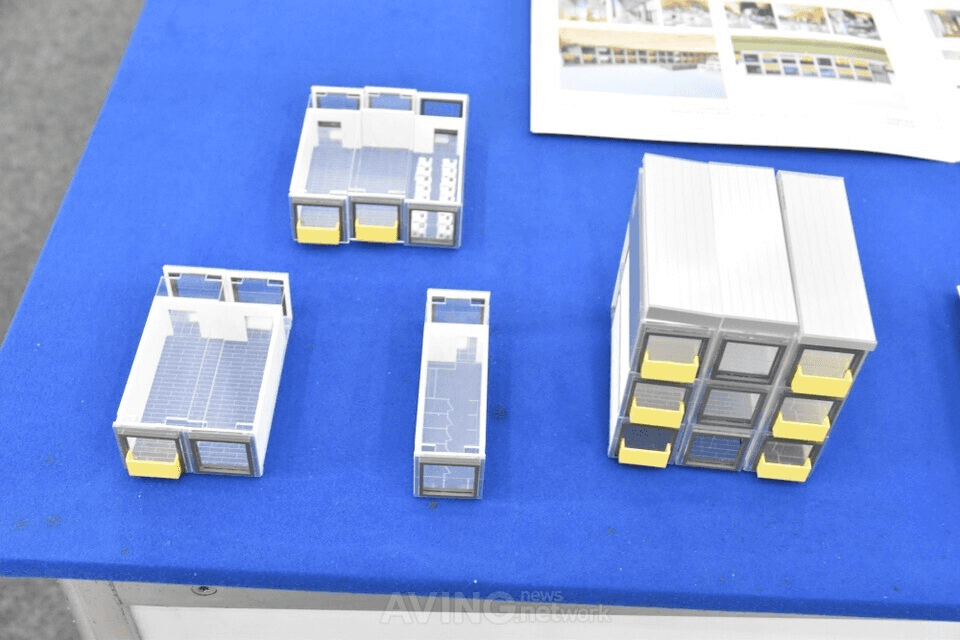
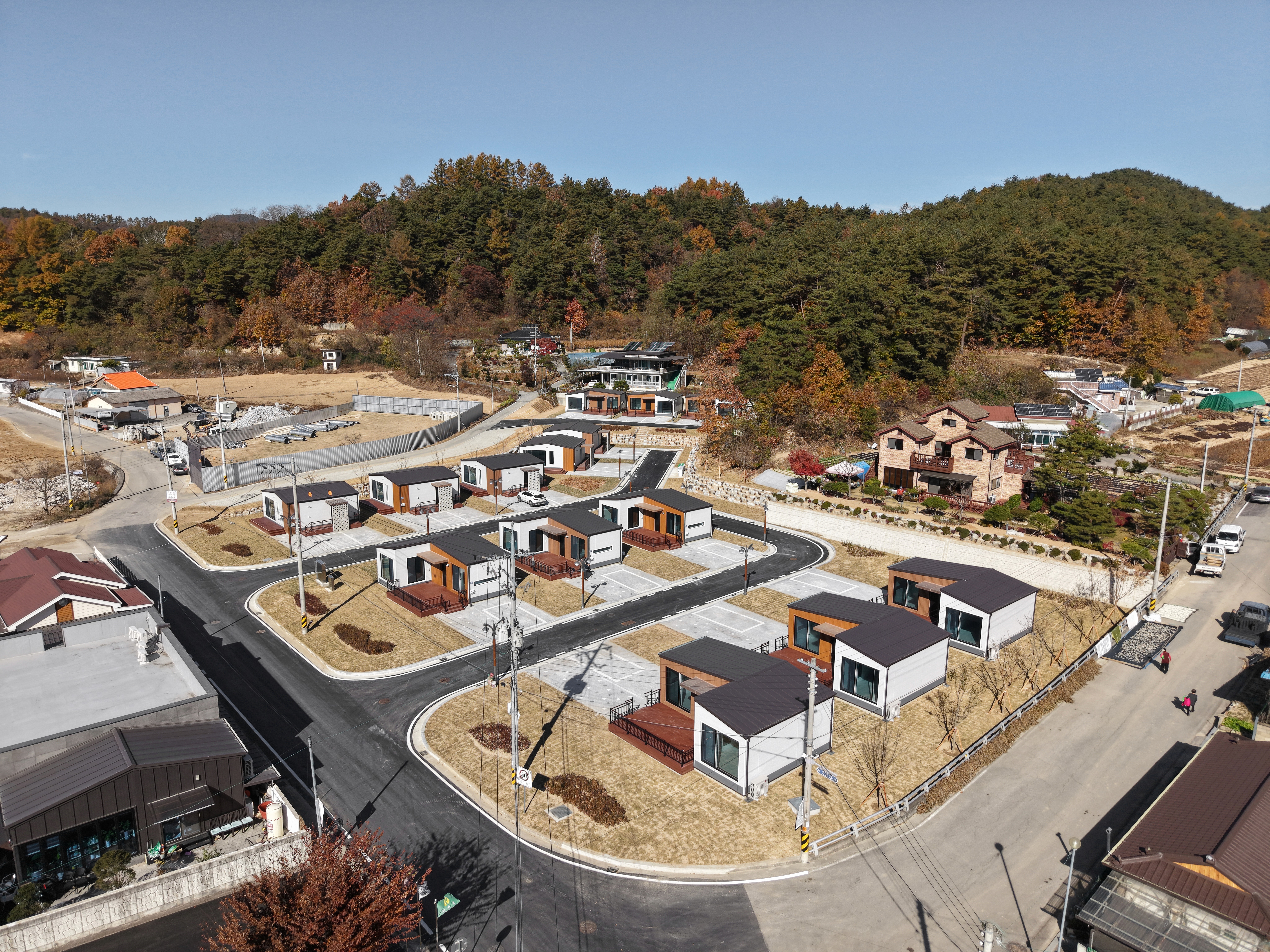
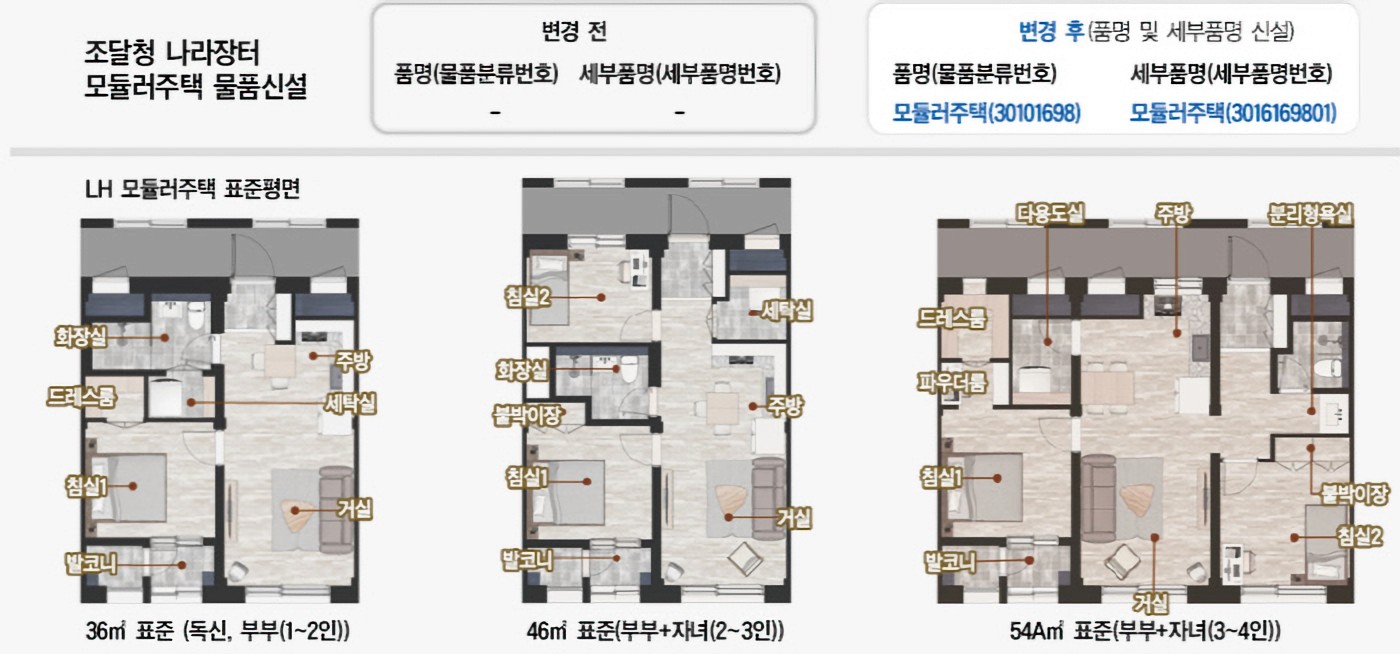
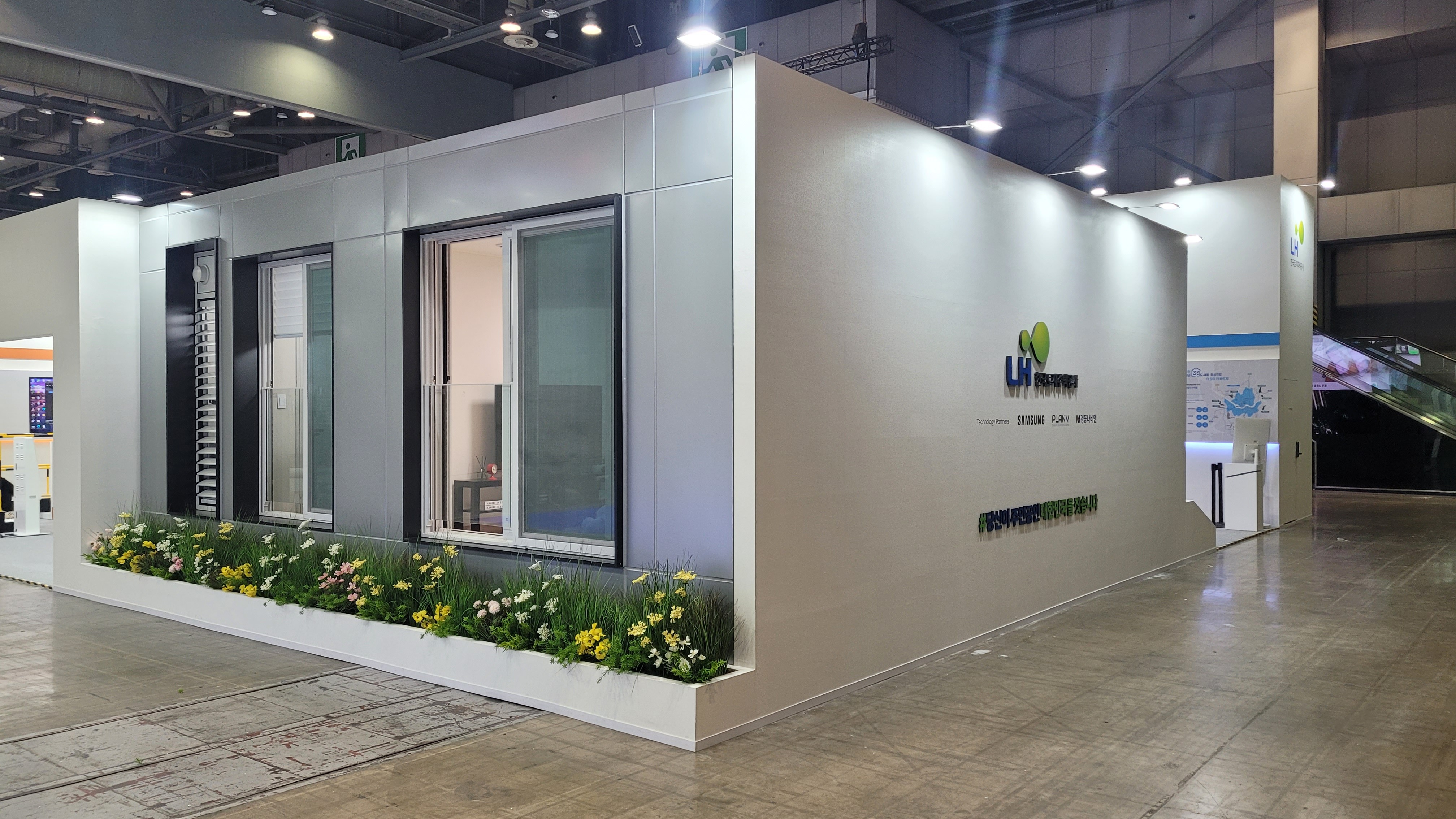
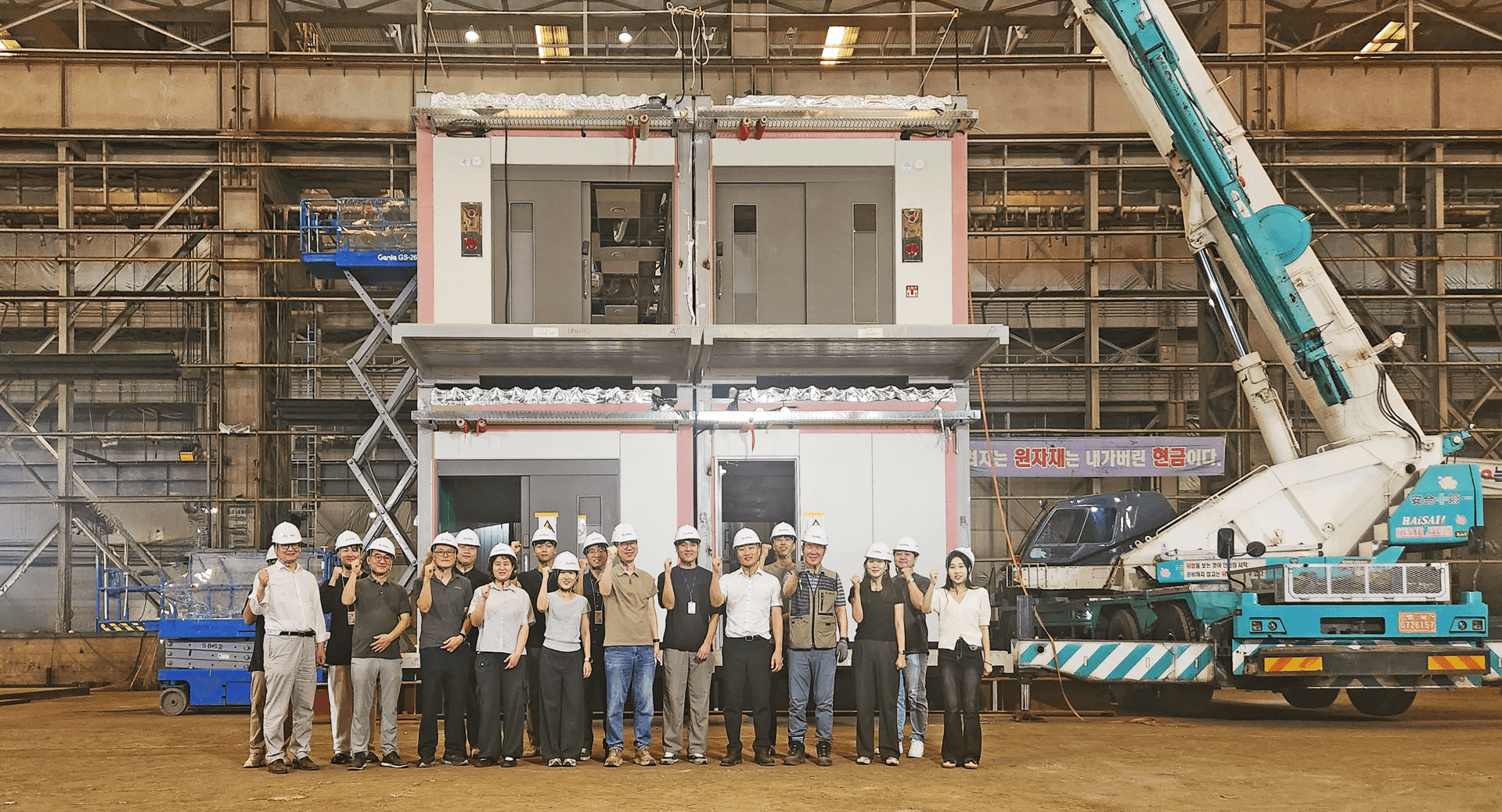
Unlike traditional construction, where a building is completed entirely on-site, the modular method involves prefabricating more than 70–80% of the structure—including electrical wiring, plumbing, bathrooms, kitchens, and underfloor heating—in a factory. These units are then transported to the site for final assembly and installation. This process ensures consistent quality regardless of weather conditions, shortens construction timelines, and enhances on-site safety. Furthermore, its eco-friendliness, characterized by reusability and the reduction of waste and carbon emissions, is considered a major strength.
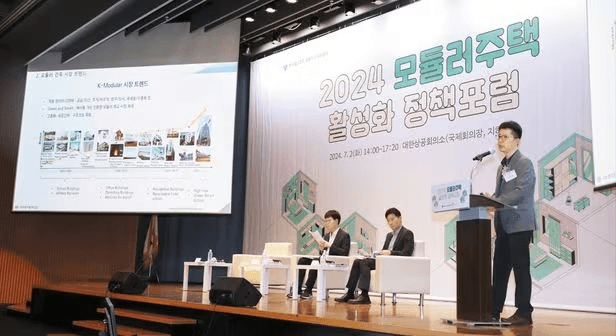
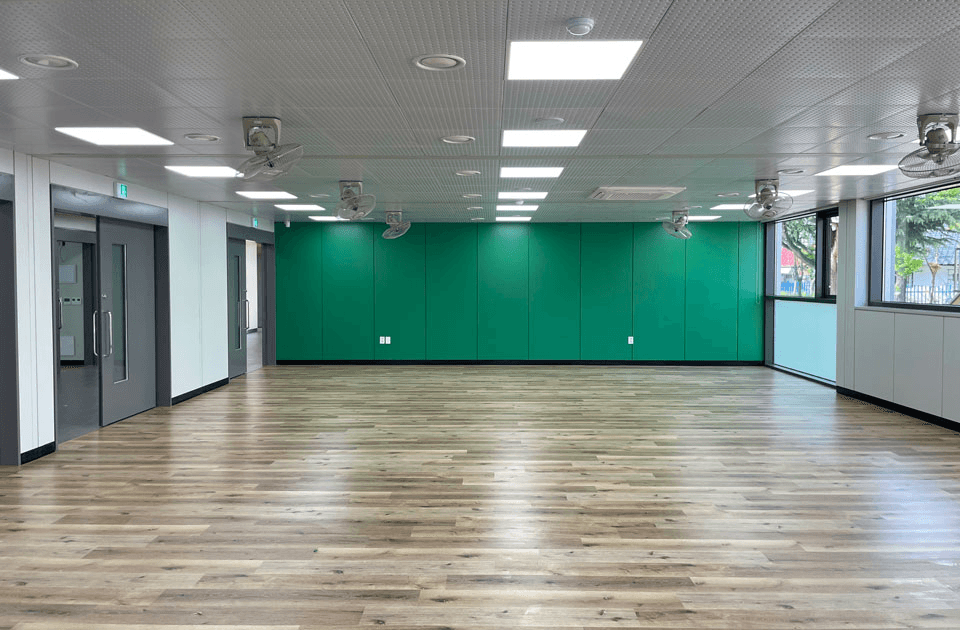
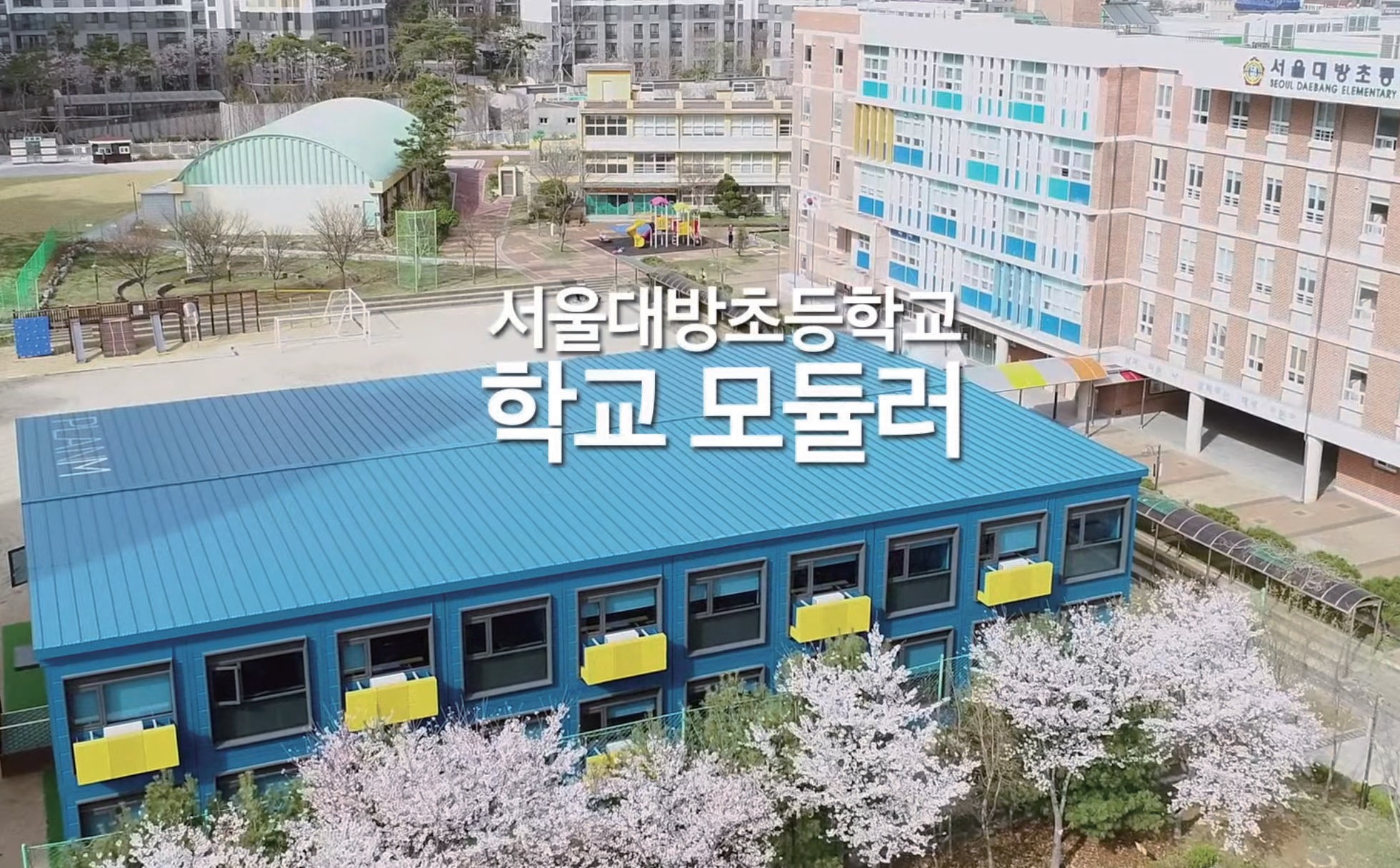
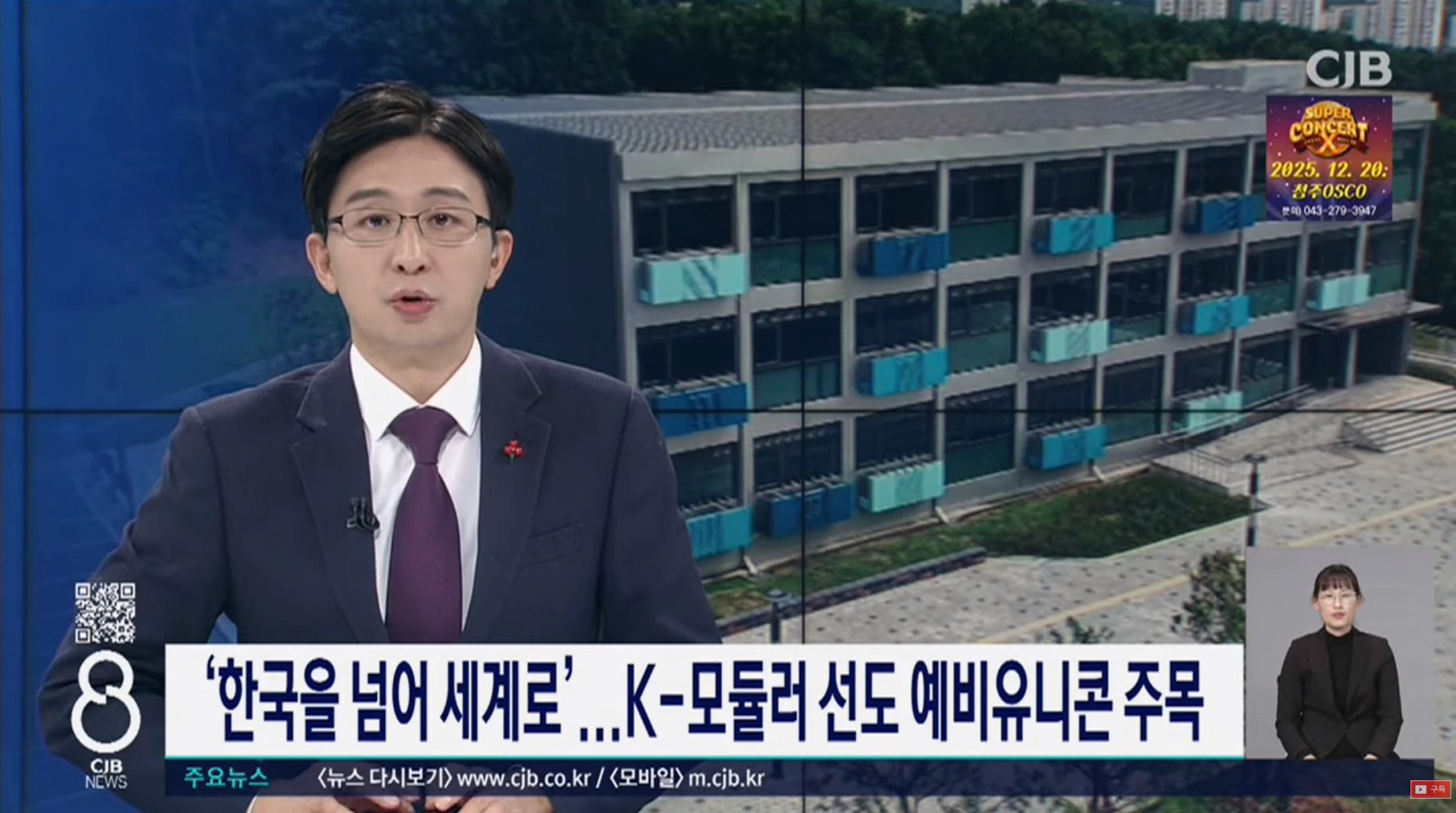
The market’s growth trajectory is expected to continue. The sector saw significant expansion through the Ministry of Education’s “Green Smart Future School” project (2021–2025), where modular units have been primarily used as temporary classrooms during the remodeling and expansion of aging school facilities. More recently, the Ministry of National Defense allocated 7.3 billion KRW last year for military officer quarters improvement projects using modular methods and plans to invest an additional 45 billion KRW this year, indicating that military facilities will become a new engine for growth.
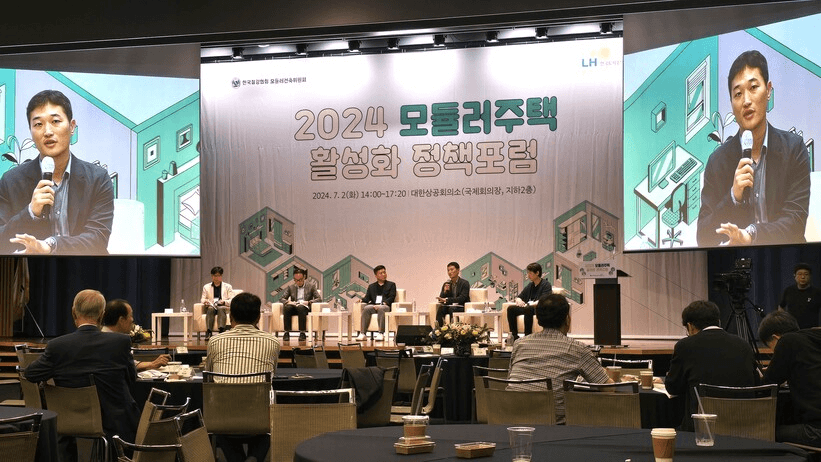
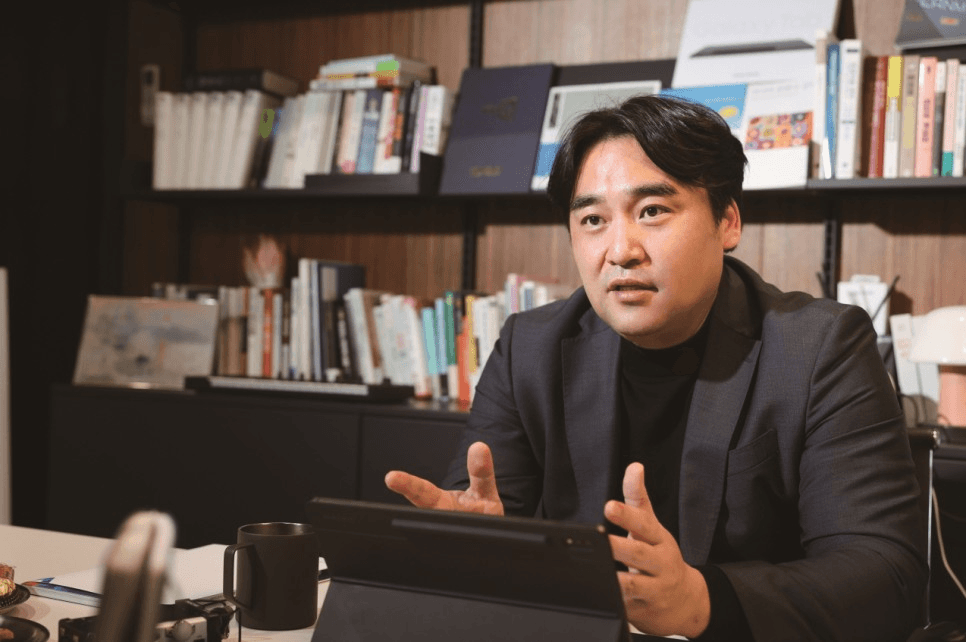
An industry official commented, “Modular construction is attracting fund investments as its eco-friendly benefits, such as carbon emission reduction, gain recognition. We expect the prefabricated construction market to expand beyond schools and military facilities into multi-family housing, and we see significant potential for entering overseas markets.”
Reporter: Kim Min-su