Busan Deploys 85 Modular Classrooms to Solve Overcrowding and Enhance Learning Environments
[Busan] To resolve the issue of overcrowded classrooms and proactively respond to the COVID-19 situation, "modular classrooms" will be operated on a large scale starting this year.
The Busan Metropolitan City Office of Education announced on the 24th that it has completed the installation of 85 modular classrooms in nine local elementary schools and will begin full operations for the new semester in March.
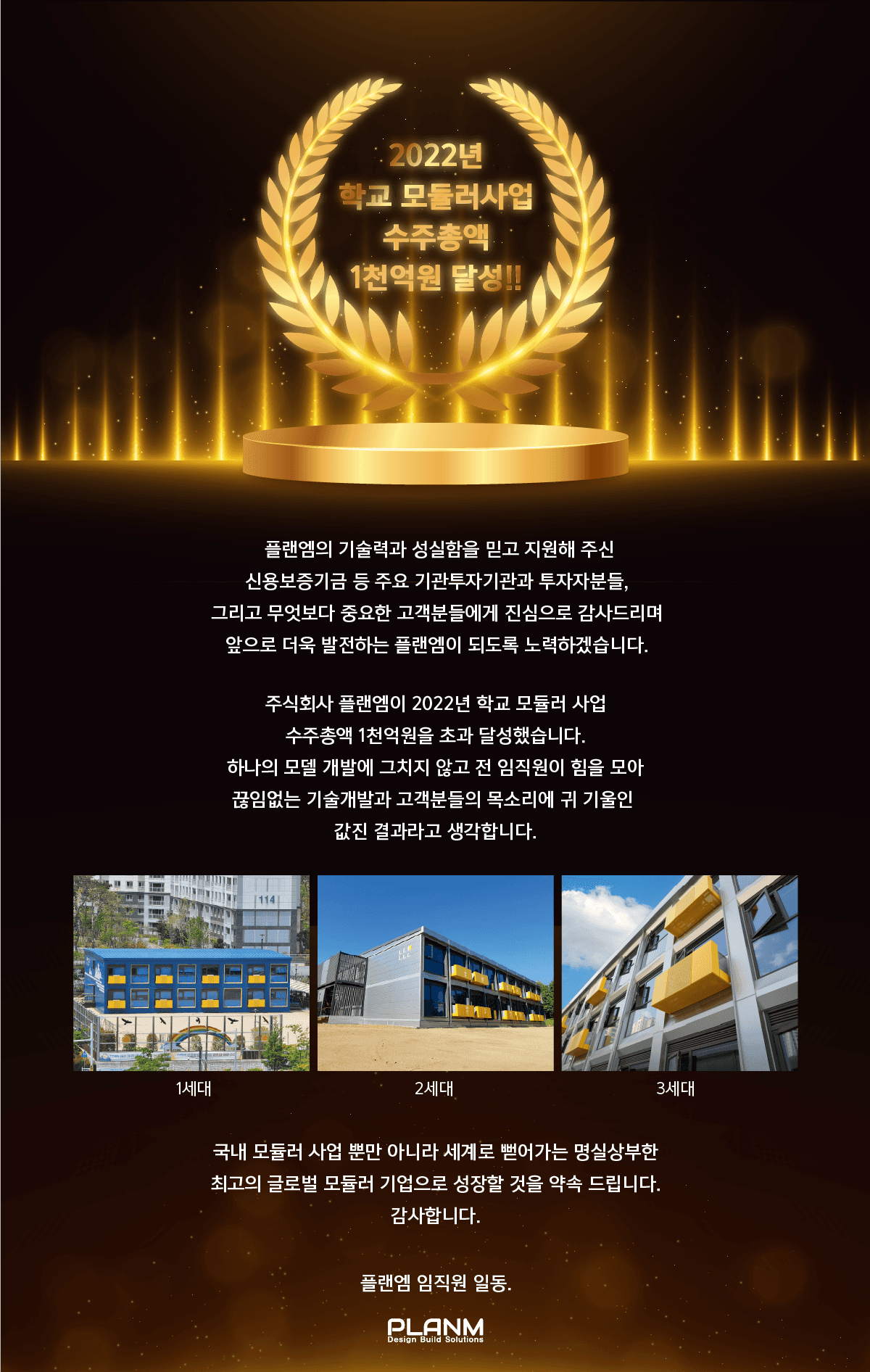
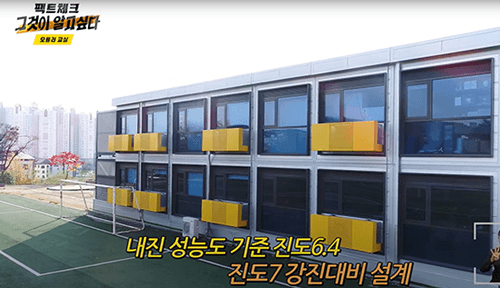
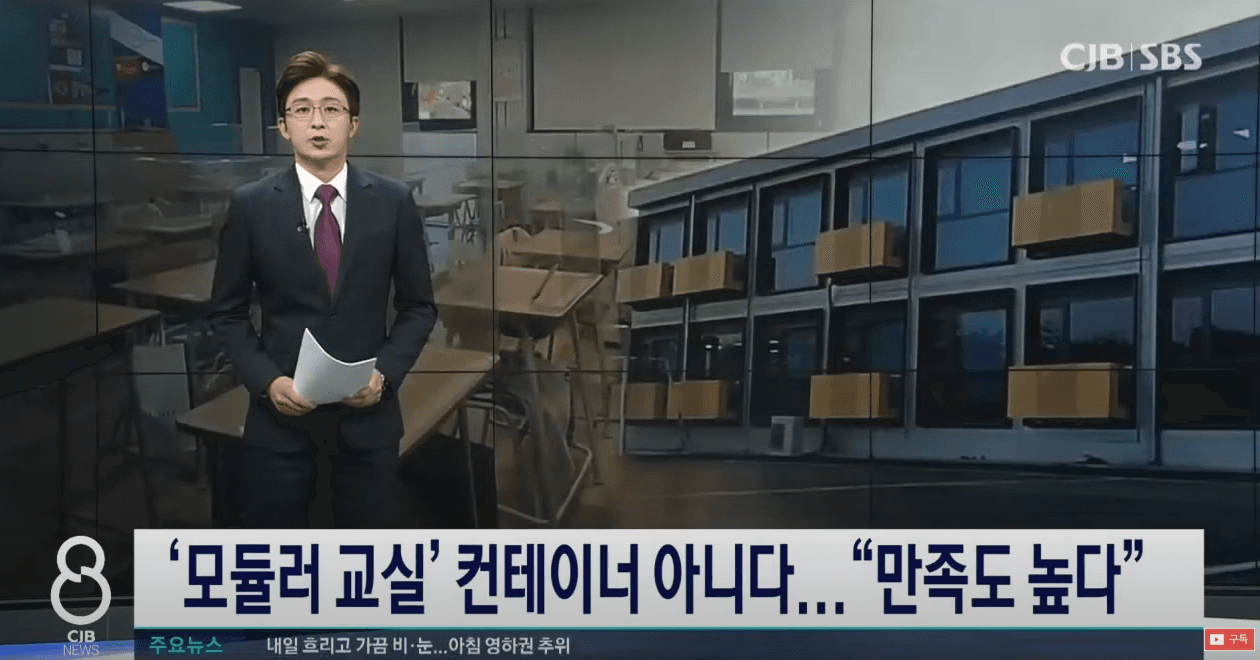
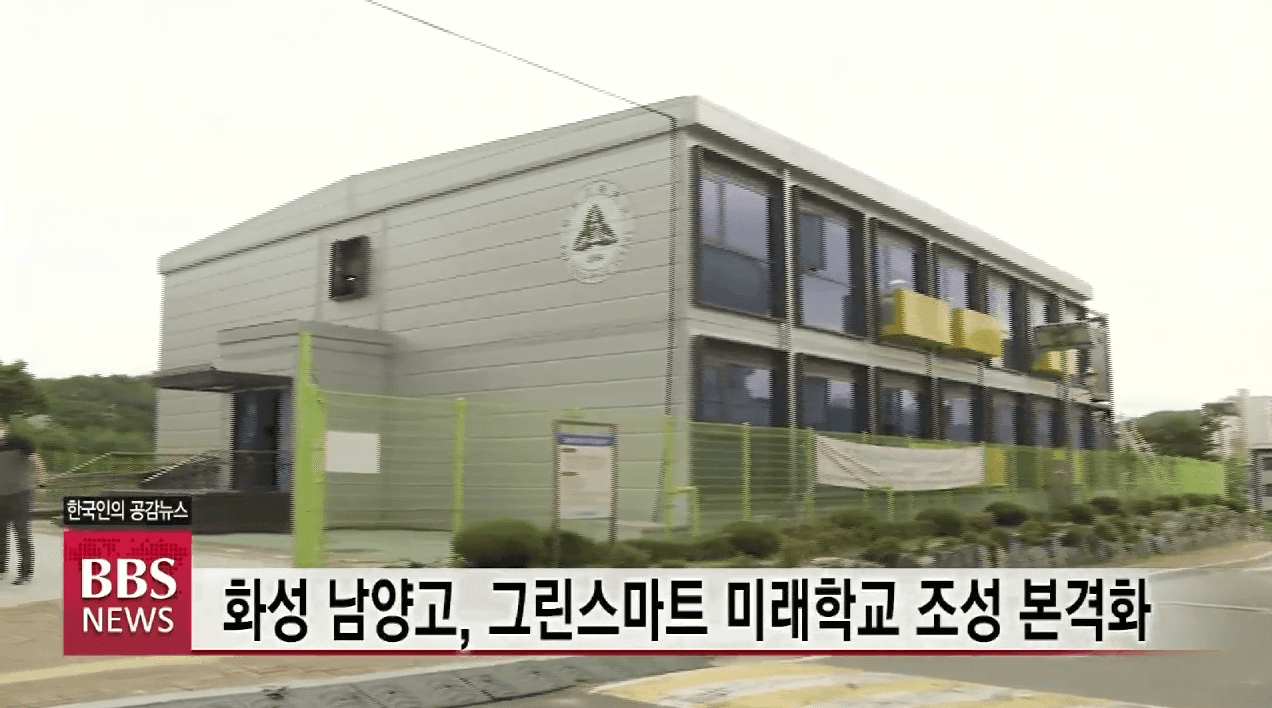
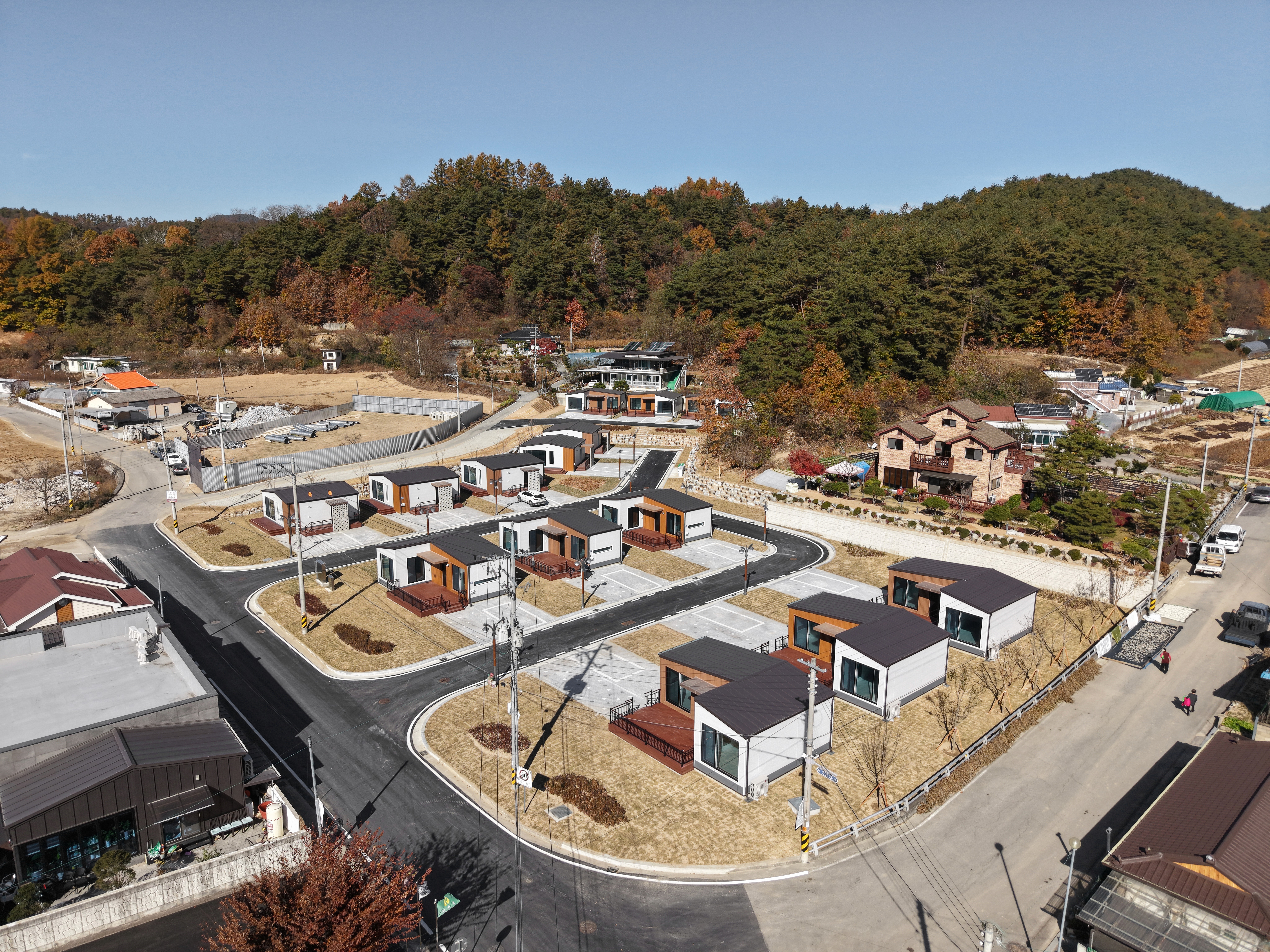
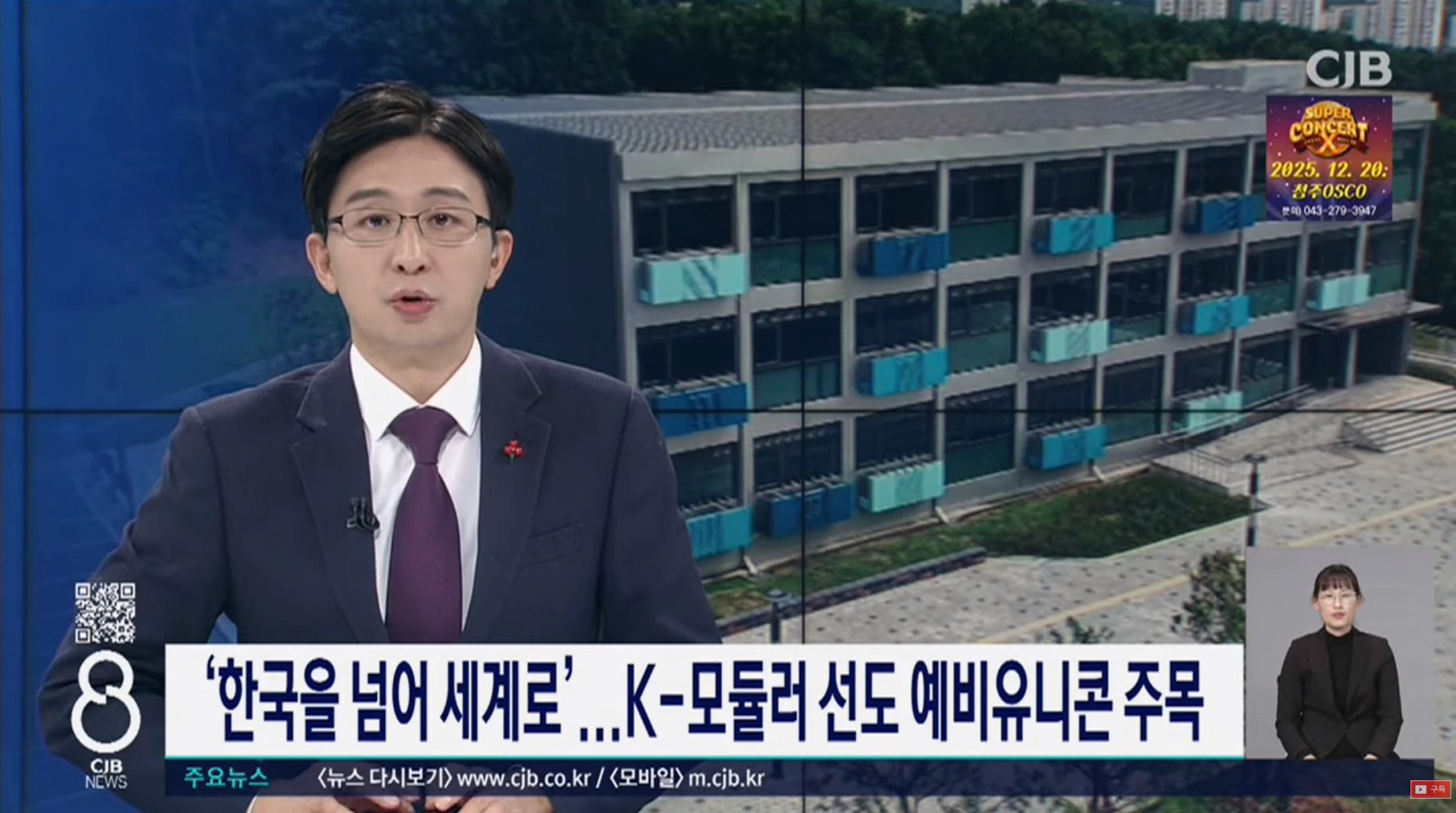
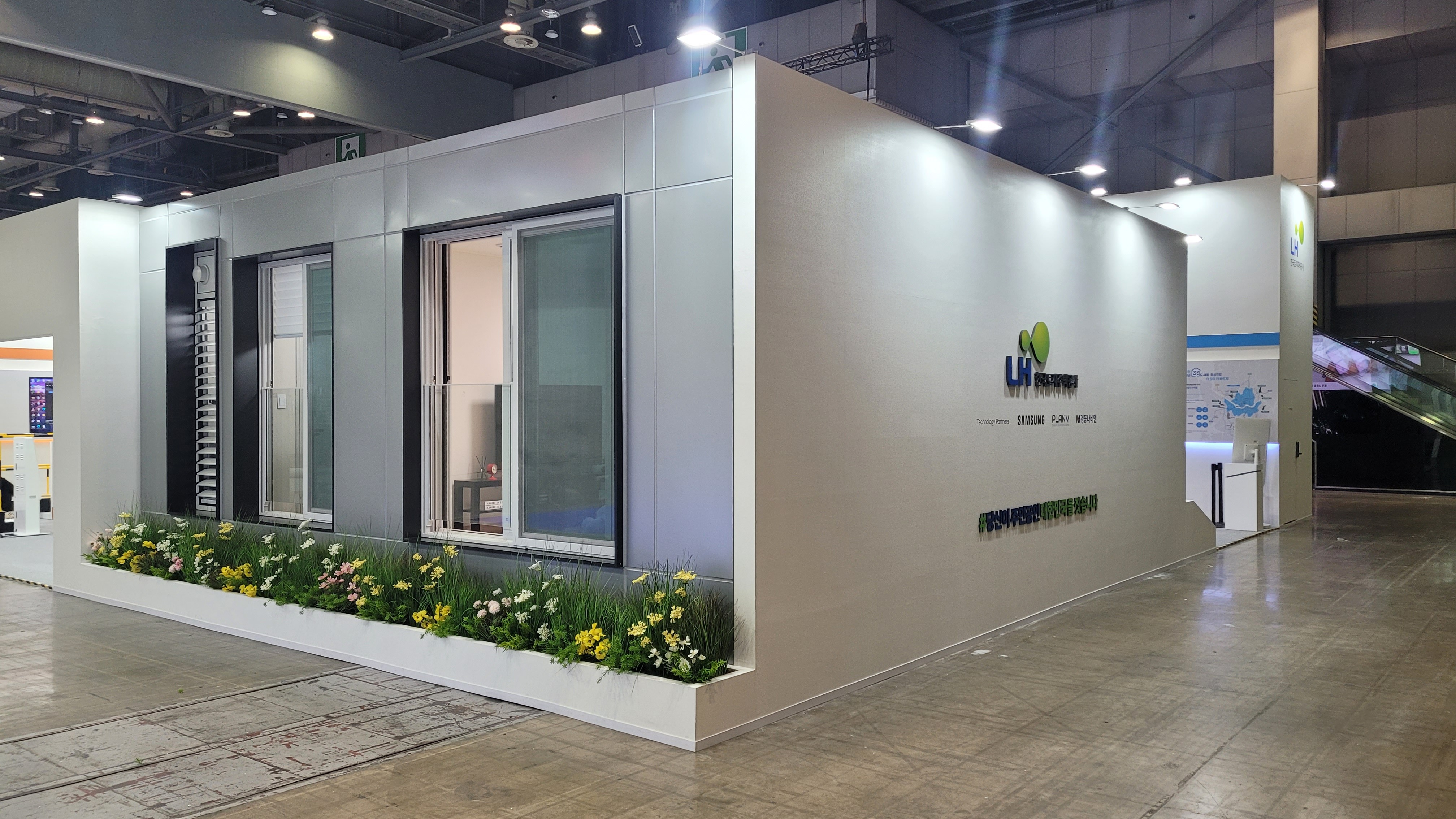
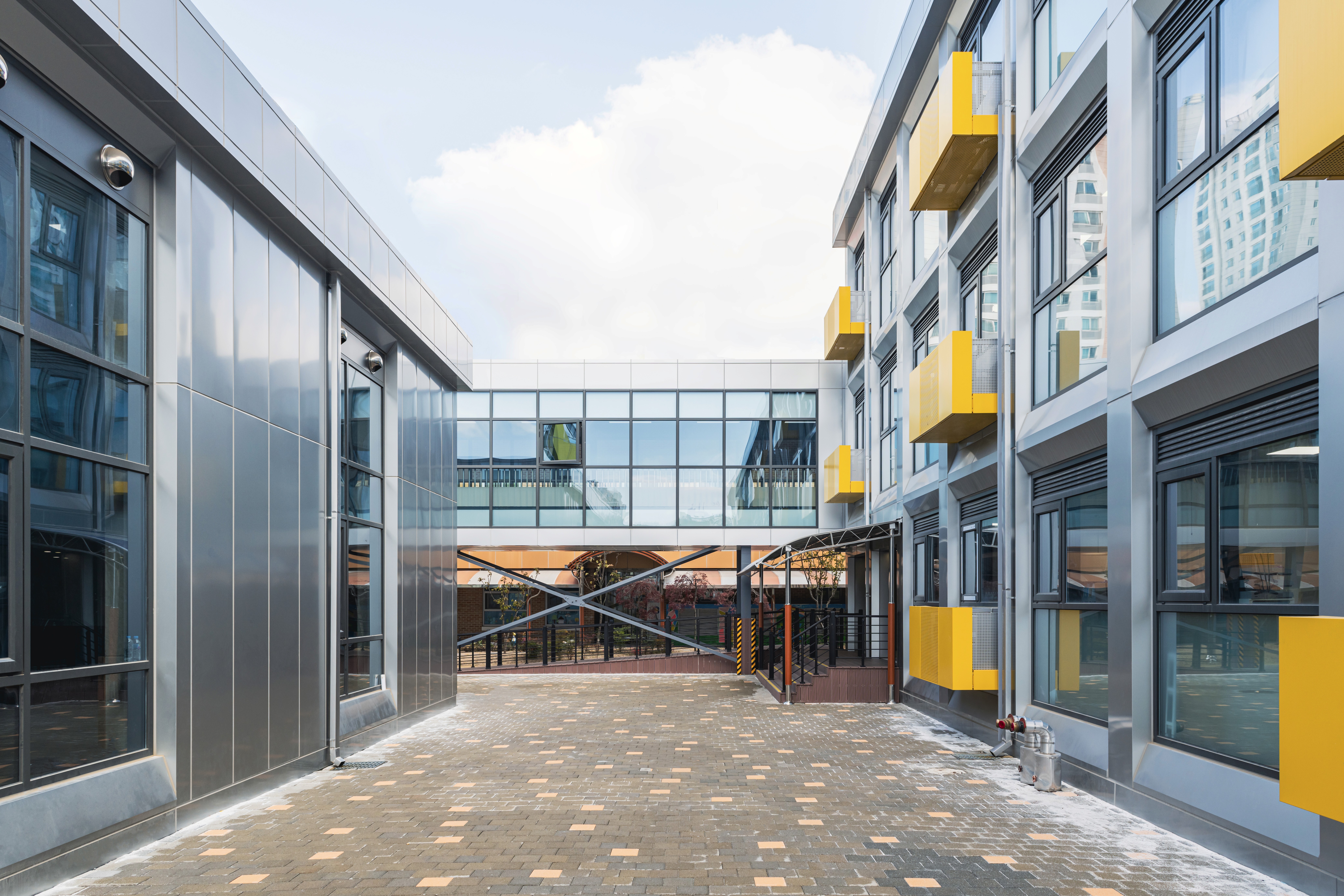
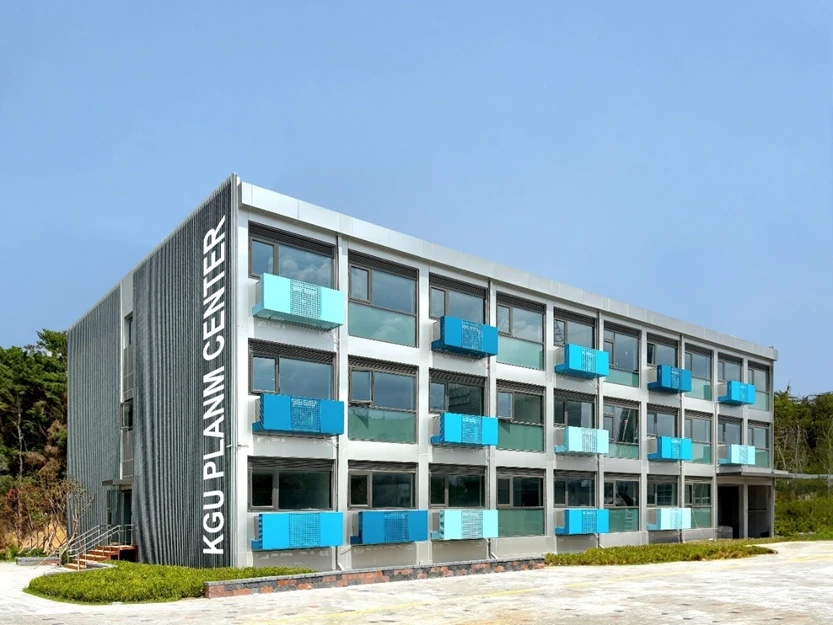
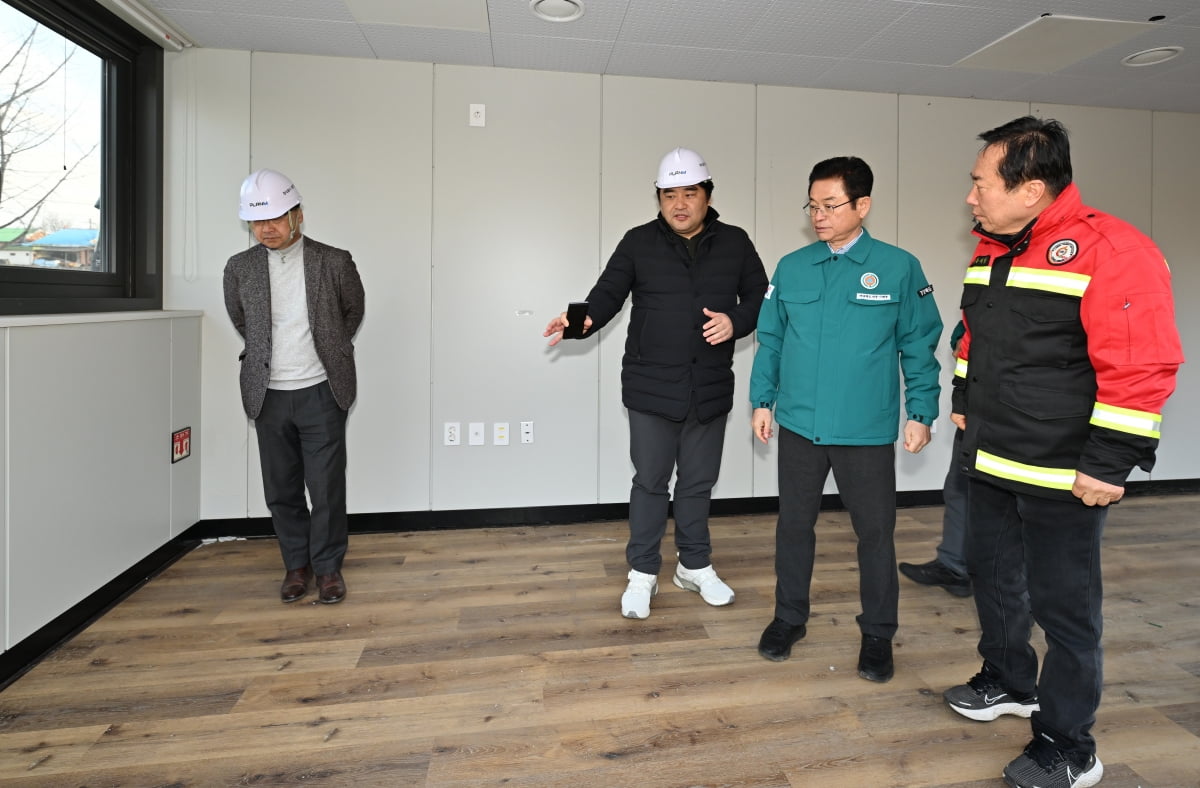
Featuring a sleek exterior and eco-friendly materials, these modular classrooms are a significant advancement over the container classrooms of the past, which were vulnerable to poor insulation and noise. They are designed to provide students with a premium educational environment, boasting high ceilings, large windows for optimal lighting and ventilation, and system air conditioners equipped with air purification functions.
In terms of safety, these modular units are identical to traditional permanent classrooms. Each room is equipped with full fire safety systems, including sprinklers, fire extinguishers, and emergency alarm systems, ensuring the highest level of protection for students.
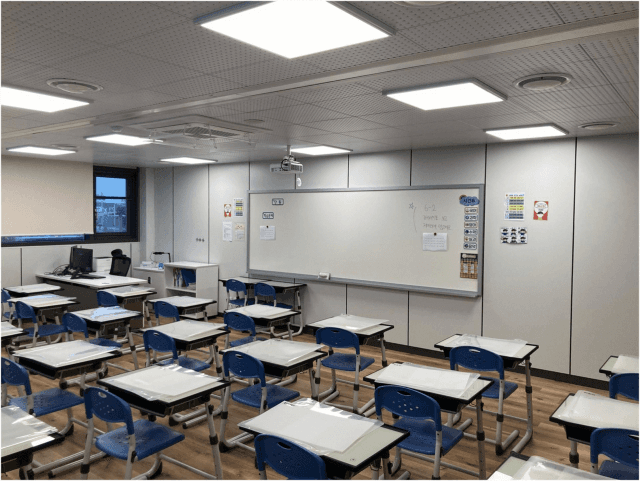
The schools operating modular classrooms this year include Nammyeong Elementary (3 rooms), Myeongji Elementary (10 rooms), Shinmyeong Elementary (10 rooms), Ocean Elementary (10 rooms), Oncheon Elementary (6 rooms), Mojeon Elementary (7 rooms), Banggok Elementary (14 rooms), Centum Elementary (12 rooms), and Haewon Elementary (12 rooms).
As a result, a total of 97 modular classrooms will be in operation across 10 elementary schools in Busan starting this year, including Myeongwon Elementary (12 rooms), which was the first to install them last year. To establish these facilities, a budget of 7.3 billion KRW was invested this year, following the 3.3 billion KRW allocated last year.
The Busan Metropolitan Office of Education has been promoting the introduction of modular classrooms as a "tailored solution" to resolve the overcrowding issues occurring in specific areas. In the case of Busan, while the overall school-age population is steadily declining, overcrowding—defined as exceeding 28 students per class—is persisting in certain areas with large-scale apartment complexes, such as Myeongji, Jeong관 New Town, Dongnae, and Haeundae.
For schools where overcrowding is expected to last long-term, the Office will implement measures such as classroom rearrangement, building expansion, or the construction of new schools. For schools where student redistribution is difficult or "short-term overcrowding" is predicted, modular classrooms will be utilized based on student population trends and school conditions to resolve the issue.
"We plan to continue installing modular classrooms by actively reflecting the opinions of school sites and the educational community," said Kim Seok-joon, the Busan Superintendent of Education. "Although there are various challenges in establishing student placement plans due to regional imbalances, we will push forward with specific overcrowding relief measures for individual schools so that all students can receive an education in a pleasant environment."