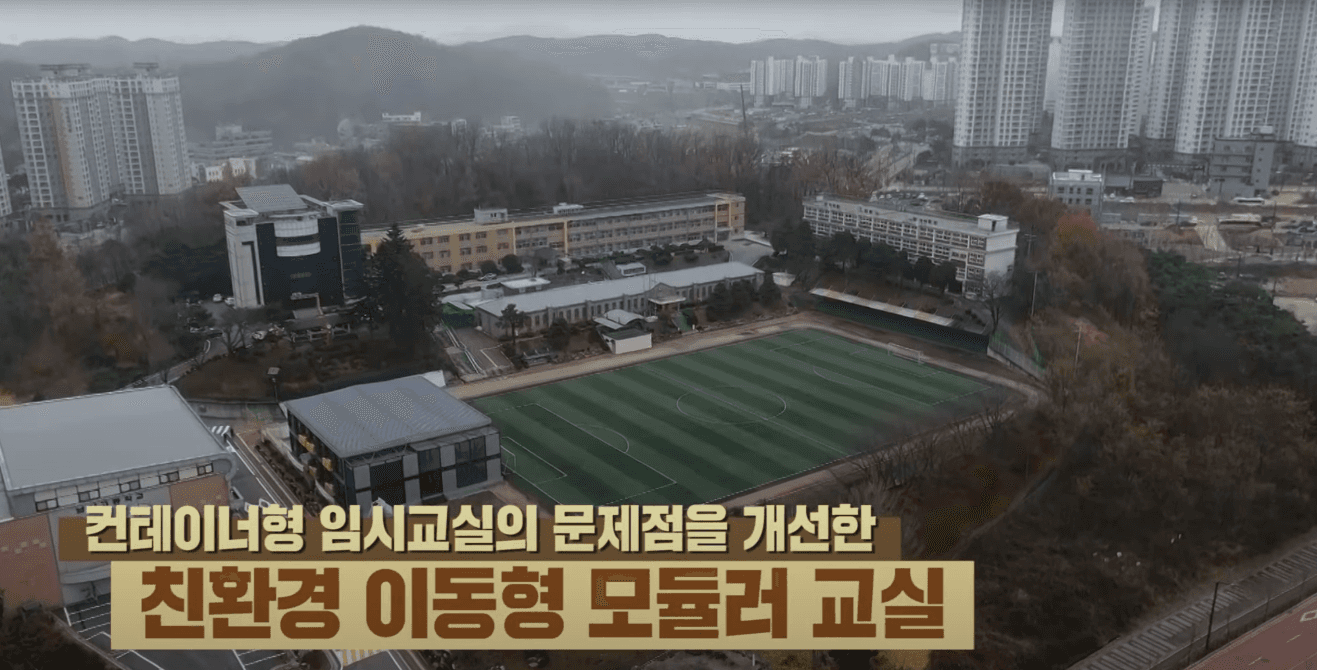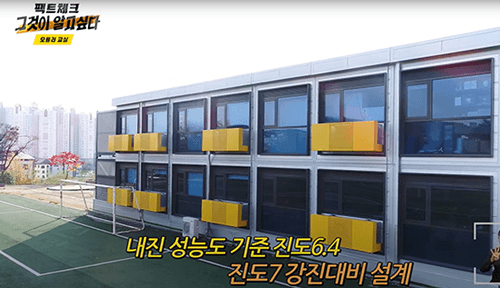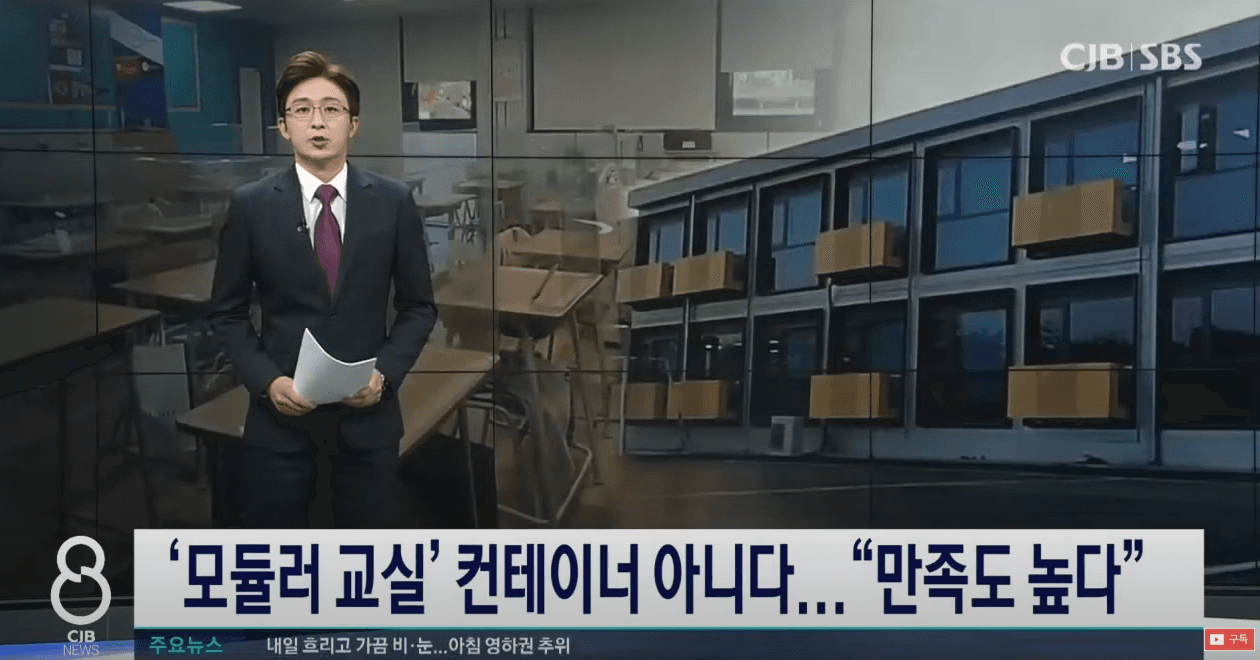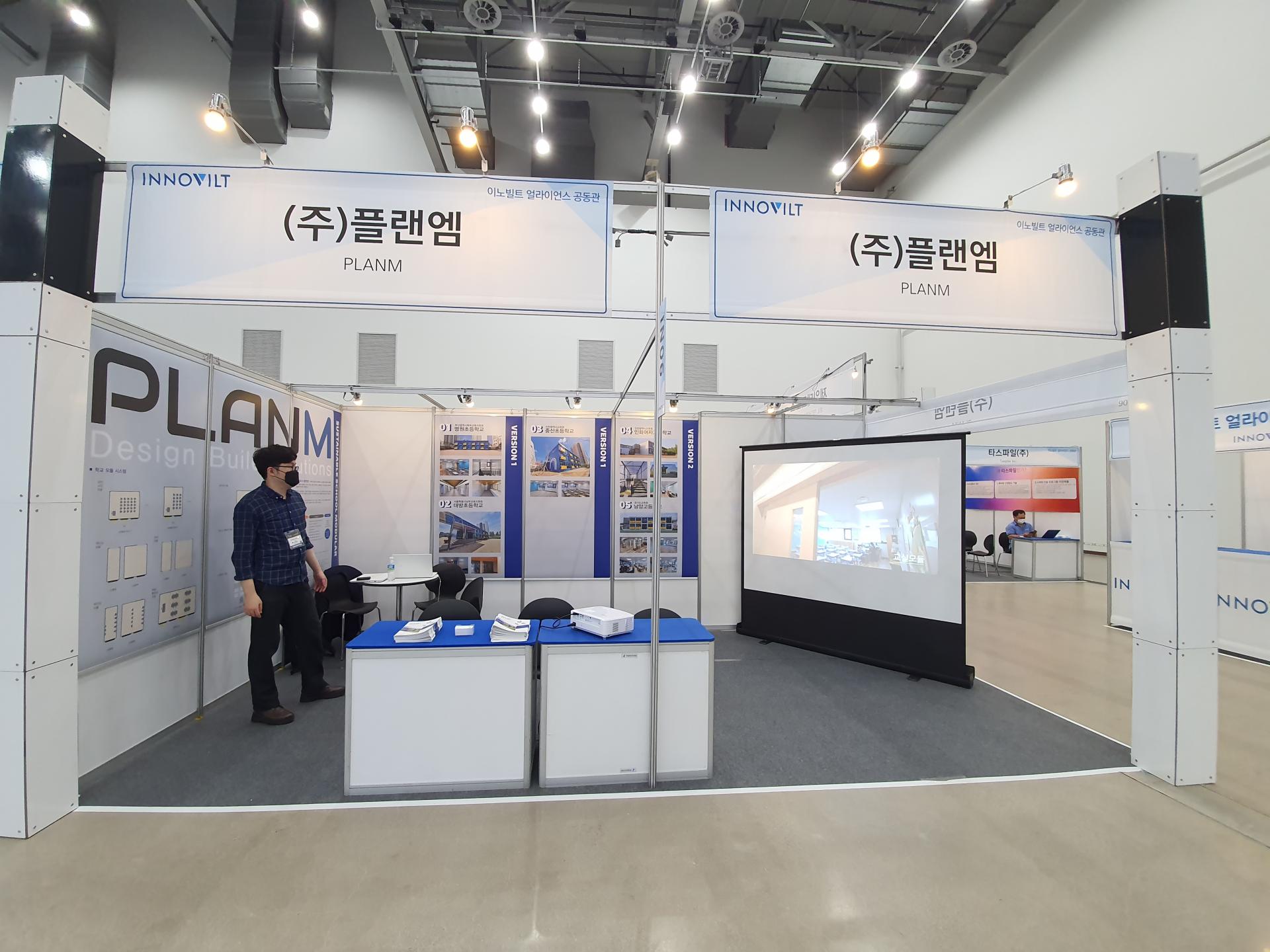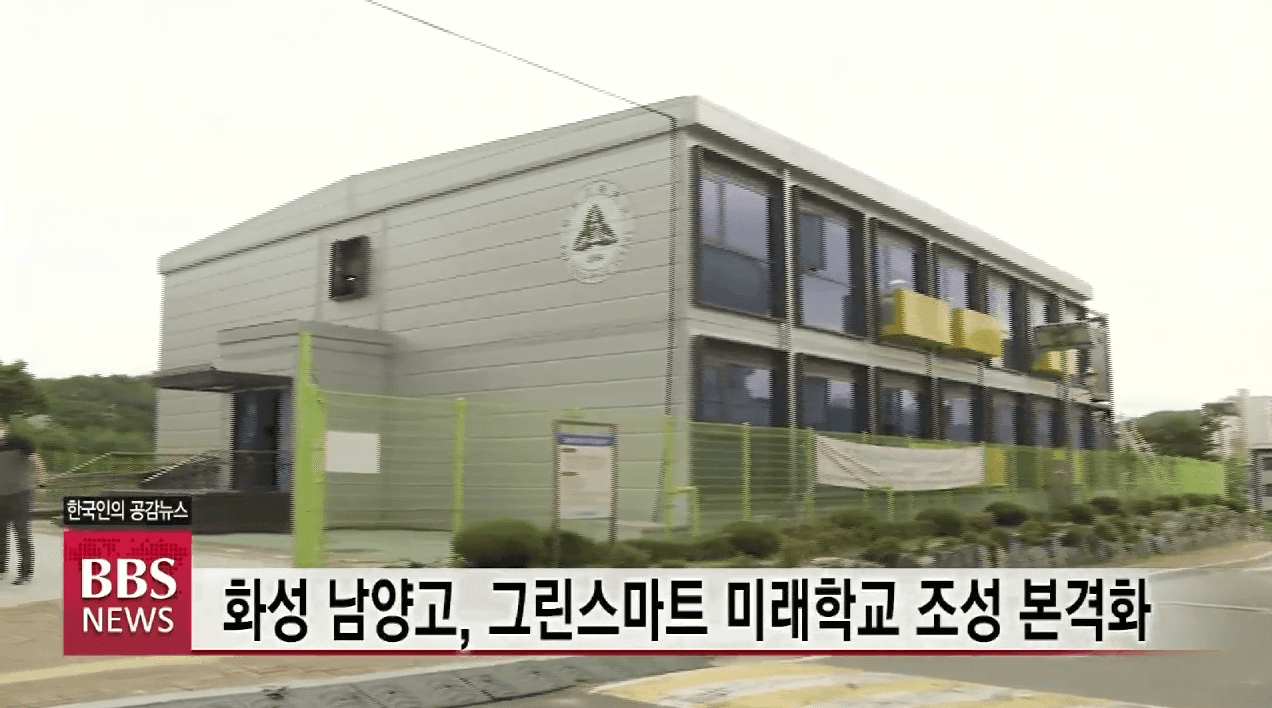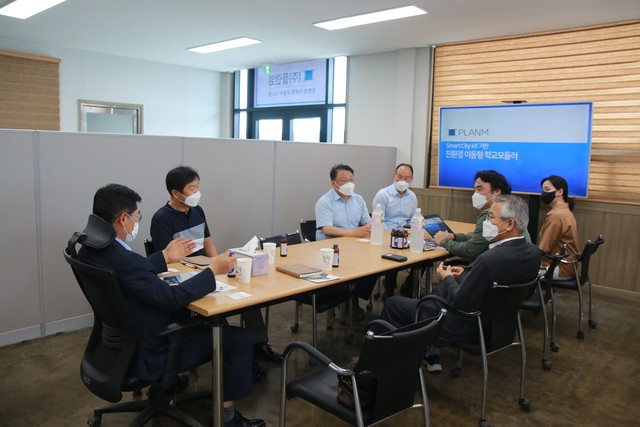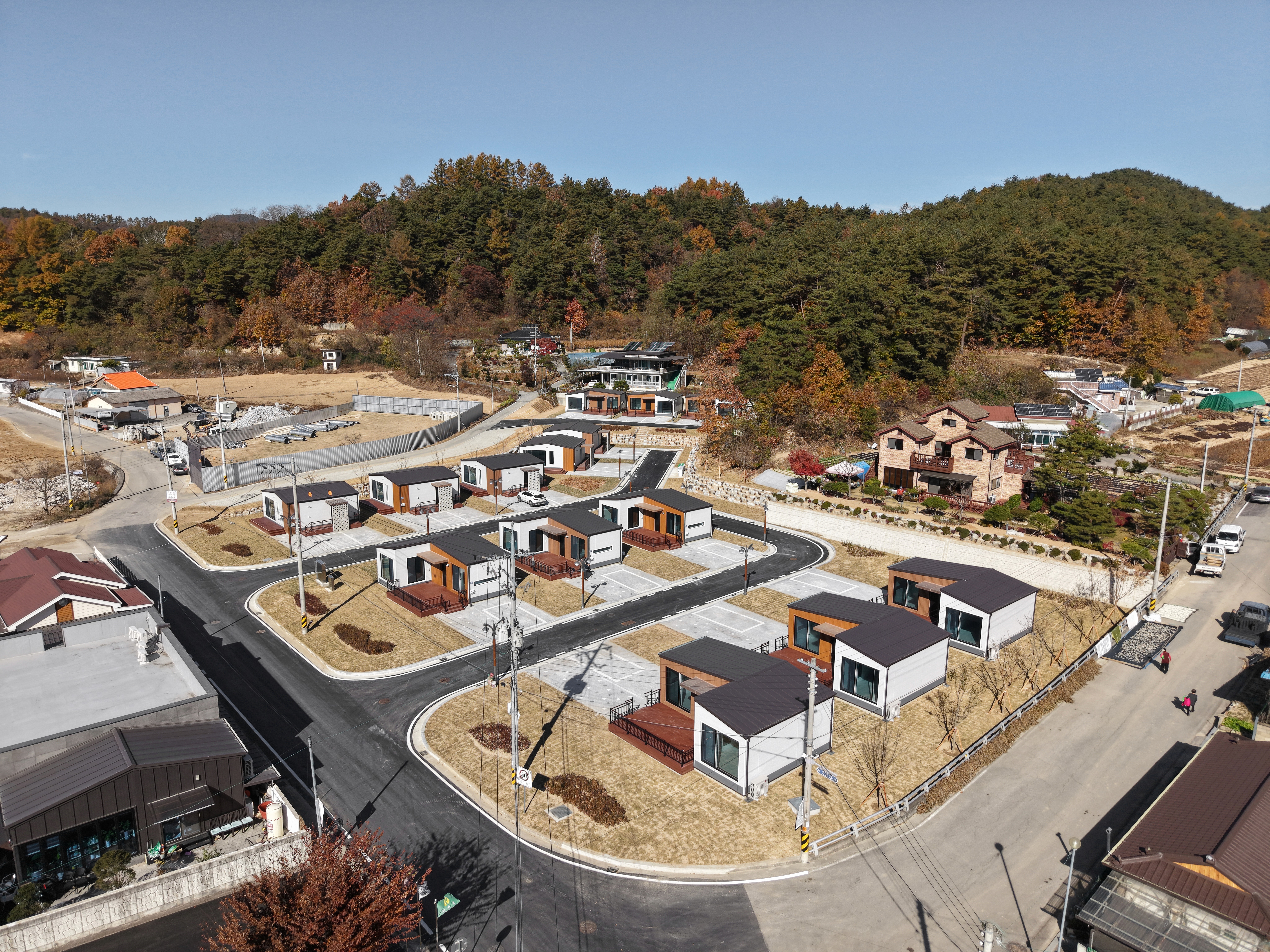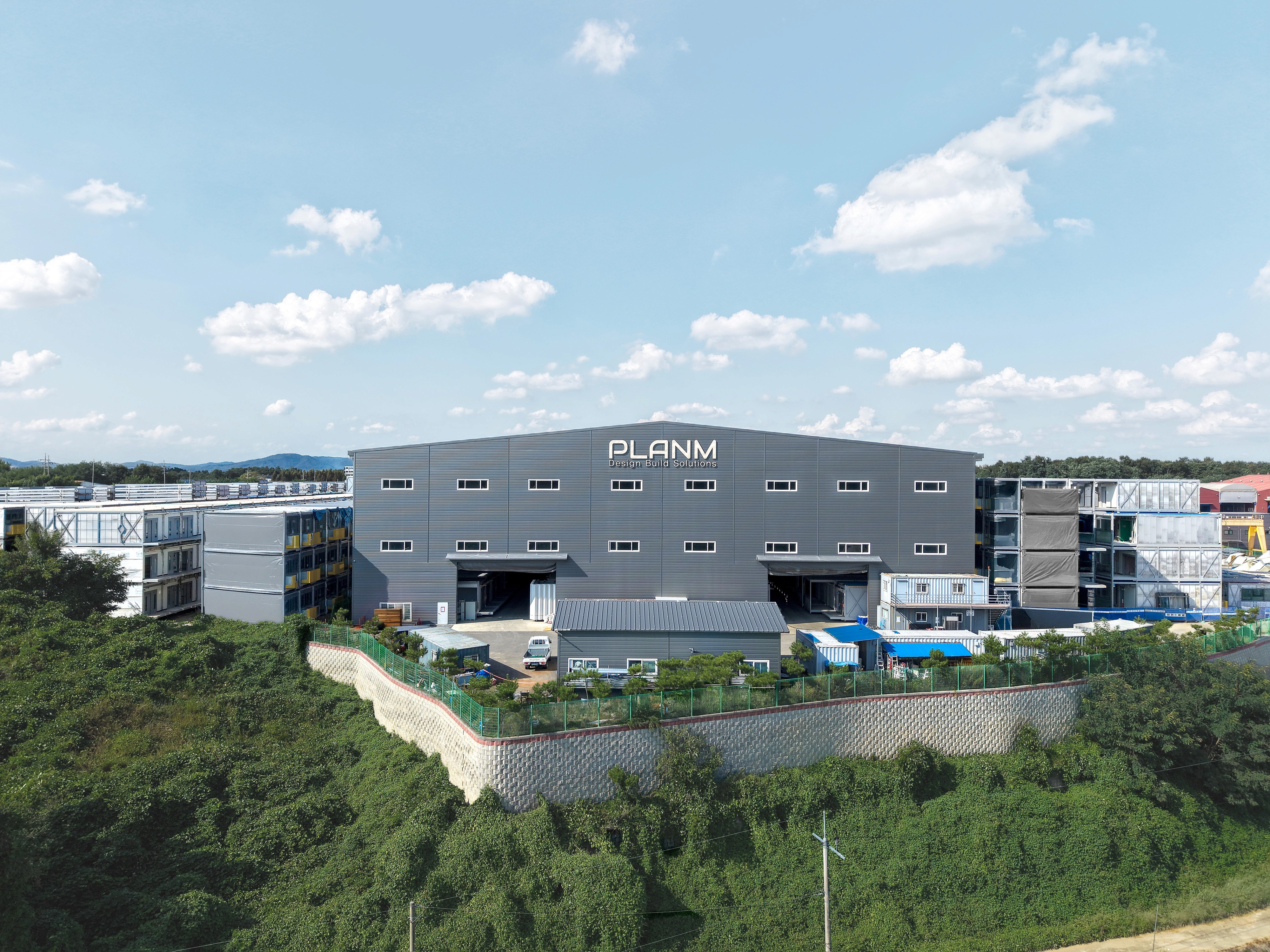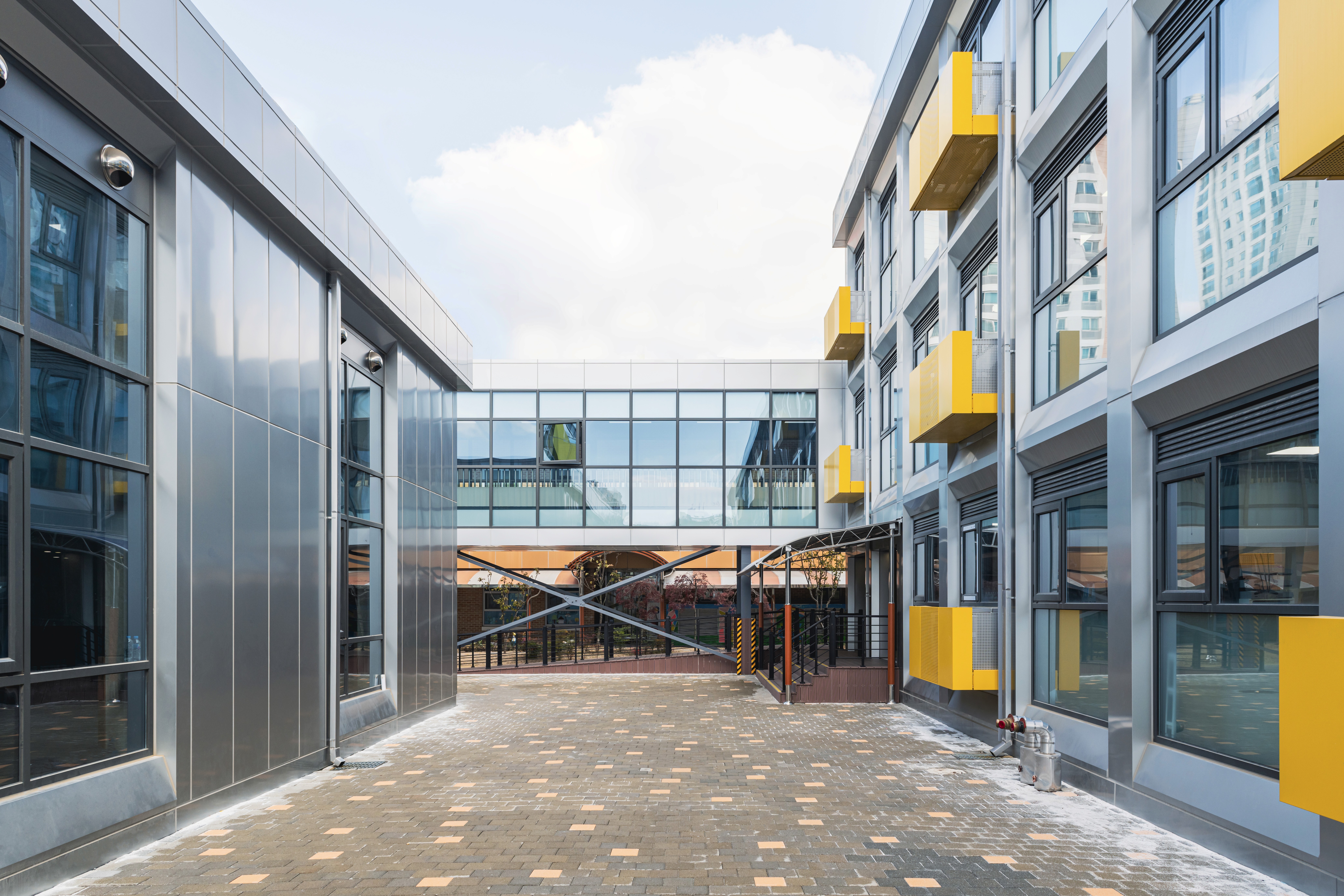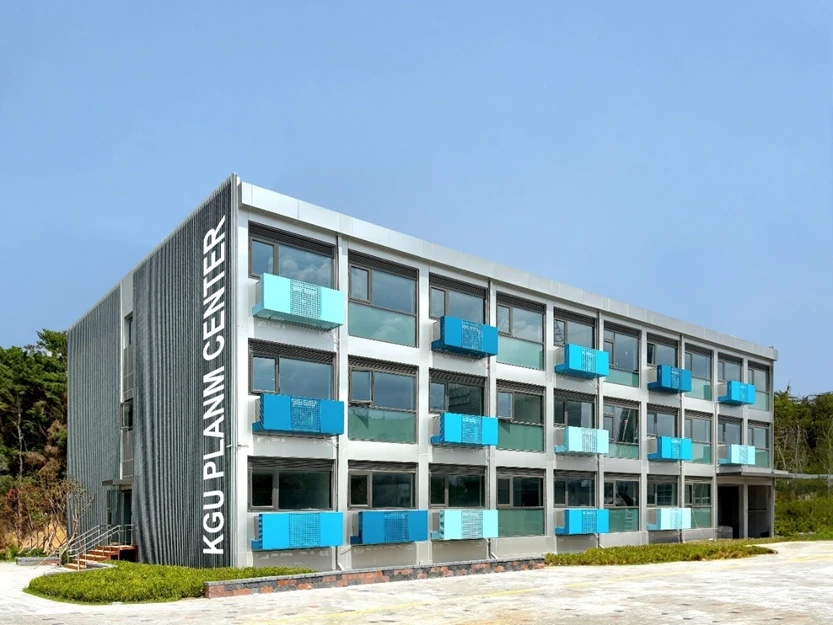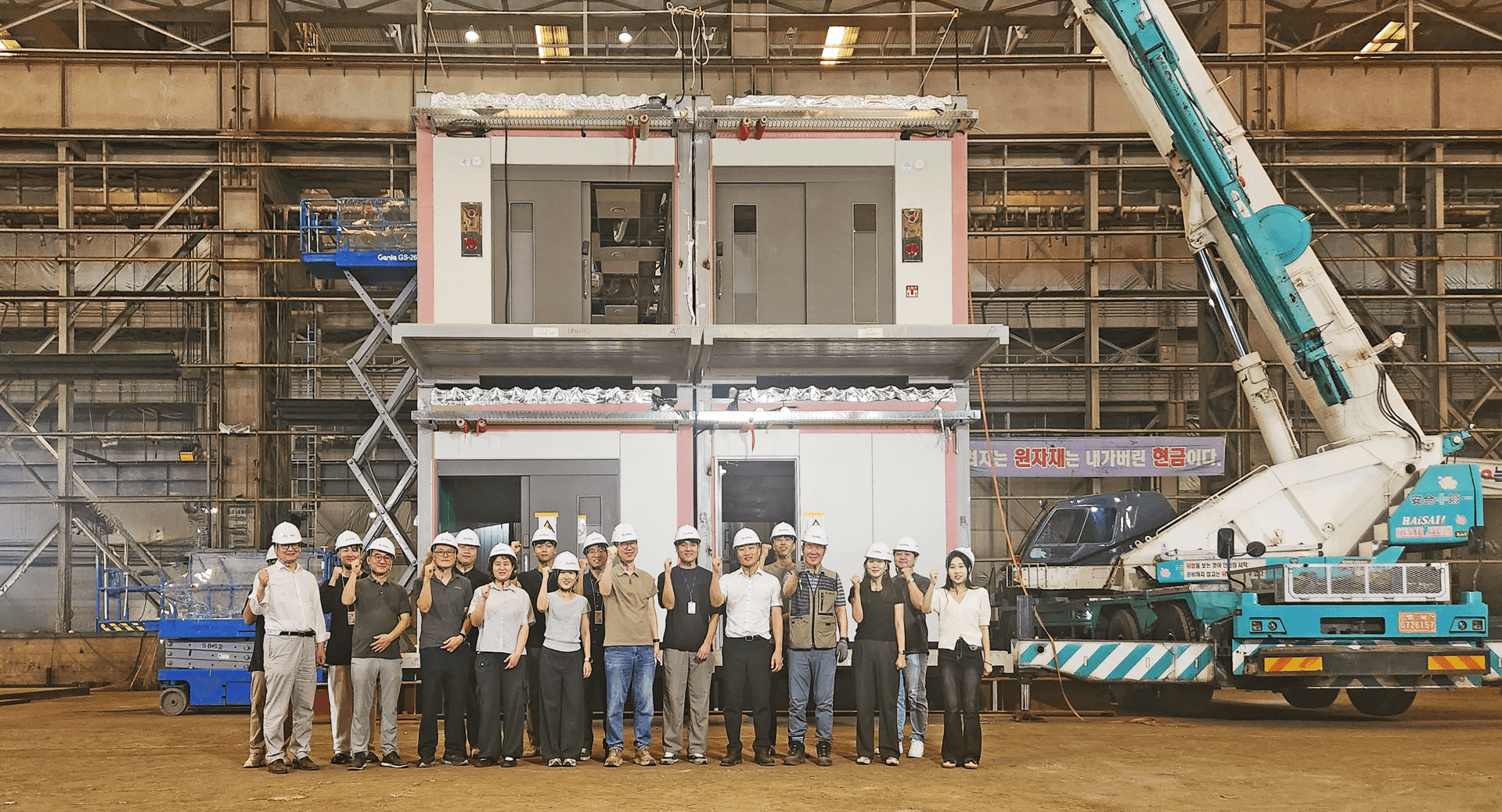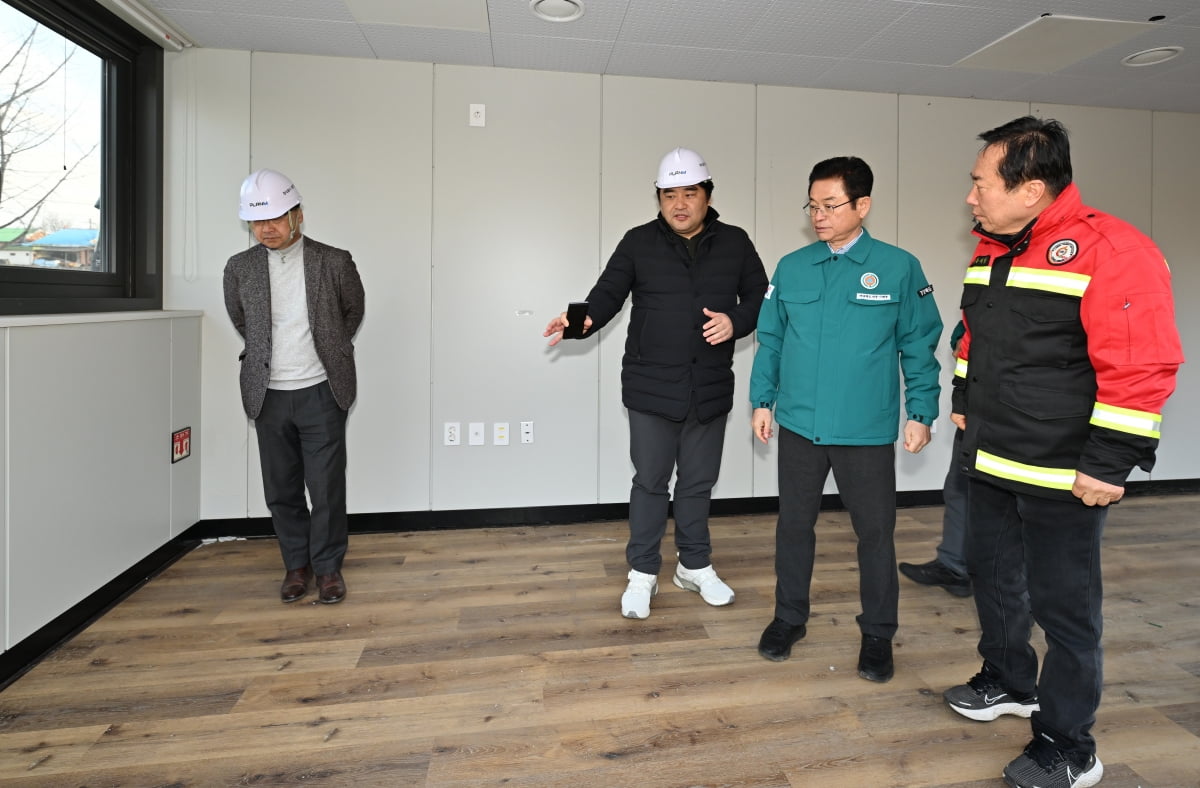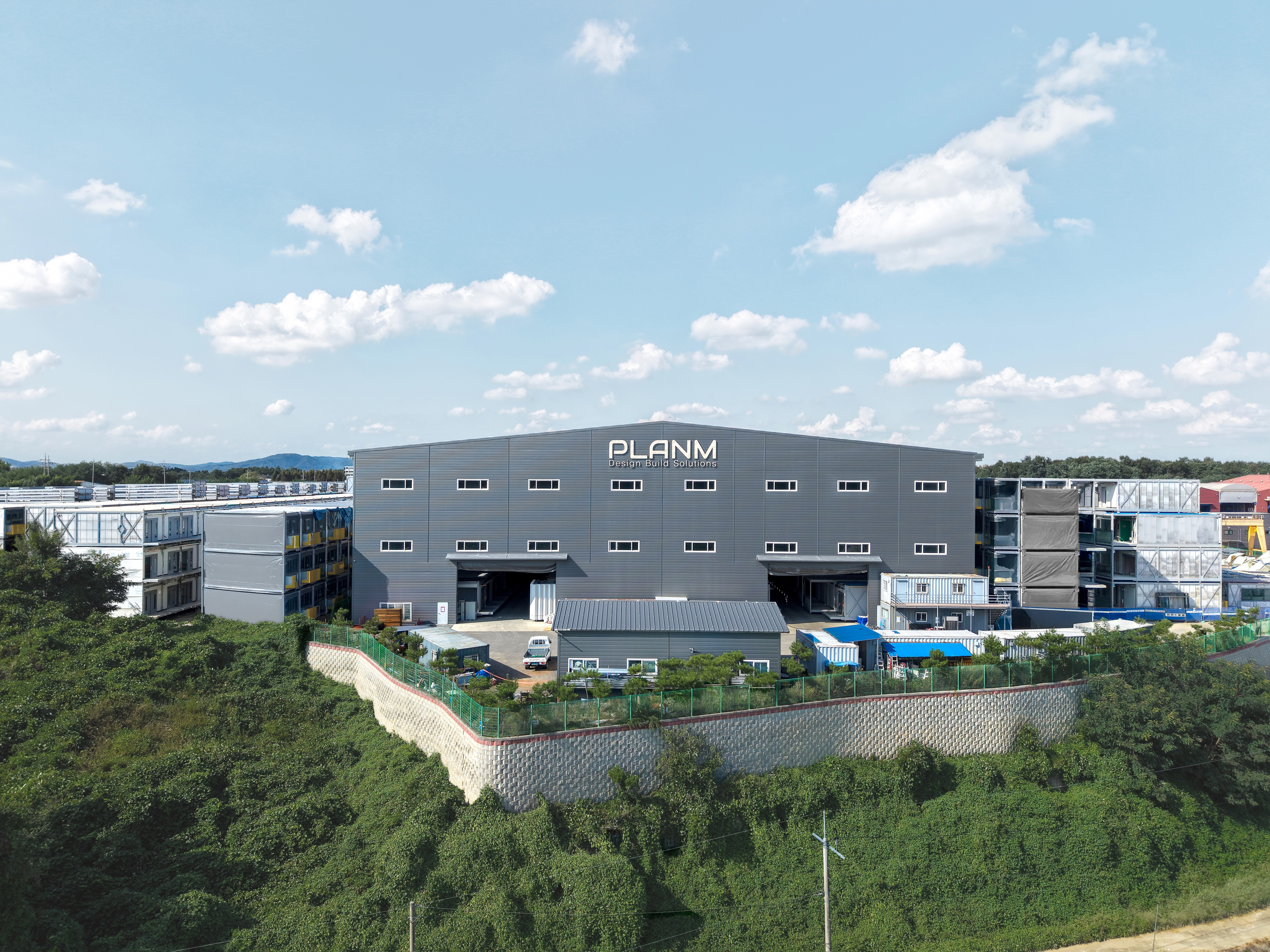
Modular Construction: Turning Imagination into Reality While Overcoming Regulations and StereotypesModular construction, a method that brings imagination to life, still faces the challenge of overcoming various regulations and deep-seated stereotypes.The recently spotlighted “school modular” was created to replace the old container classrooms that drew criticism from teachers, parents, and students alike for their poor quality—often described as being "boiling hot in summer and freezing in winter" while suffering from noise and vibration issues. However, for modular solutions to truly settle into the market, they had to move past outdated bidding systems and widespread misconceptions. visited the latest factory of PLANM, a leading producer in the school modular market, and examined whether the concerns held by some parents are truly justified.PLANM, which recently completed a dedicated modular factory in Eumseong, Chungbuk, is a powerhouse in the school modular market. The company has established a "one-stop shipping system" where the entire process of producing finished modular units occurs within a single facility.The 8,000 $m^2$ PLANM factory, situated on a total site of 26,000 $m^2$, makes a sophisticated impression with its sleek, dark-gray exterior. Opposite the main modular factory, steel frame fabrication and painting buildings are lined up, allowing everything from the initial steelwork to the final interior finishing to be handled simultaneously at the Eumseong site.“PLANM’s competitiveness lies in our ability to produce high-quality products rapidly through a system that creates and ships finished modular units from a single factory,” explained Lee Min-gyu, CEO of PLANM. “As a specialized modular manufacturing plant, we optimized the ceiling height to easily move modules using our 30-ton overhead cranes.” Inside the factory, modular units were lined up across four production lines. By setting up 120 modules at once, the facility is capable of producing 7,000 modules annually.[What is Modular Construction?]Modular construction is a method of building by stacking units like Lego blocks or inserting them into a building frame (like drawers). While it is highly popular in Europe, the U.S., and Japan due to its short construction time, eco-friendliness, and consistent quality, its expansion in Korea has been relatively slow due to a culture that prefers concrete, rigid bidding systems, and current technical levels. The combination of modular and PC (Precast Concrete) methods is referred to as OSC (Off-Site Construction).