◇ Business Portfolio Expansion: From Public Sector to Global Markets
PLANM is one of the most aggressive companies expanding in the rapidly growing modular construction market. Its diverse track record in supplying modules for schools, healthcare, housing, and hospitality, combined with a stable demand base centered on the public sector, serves as a key indicator of business sustainability for investors.
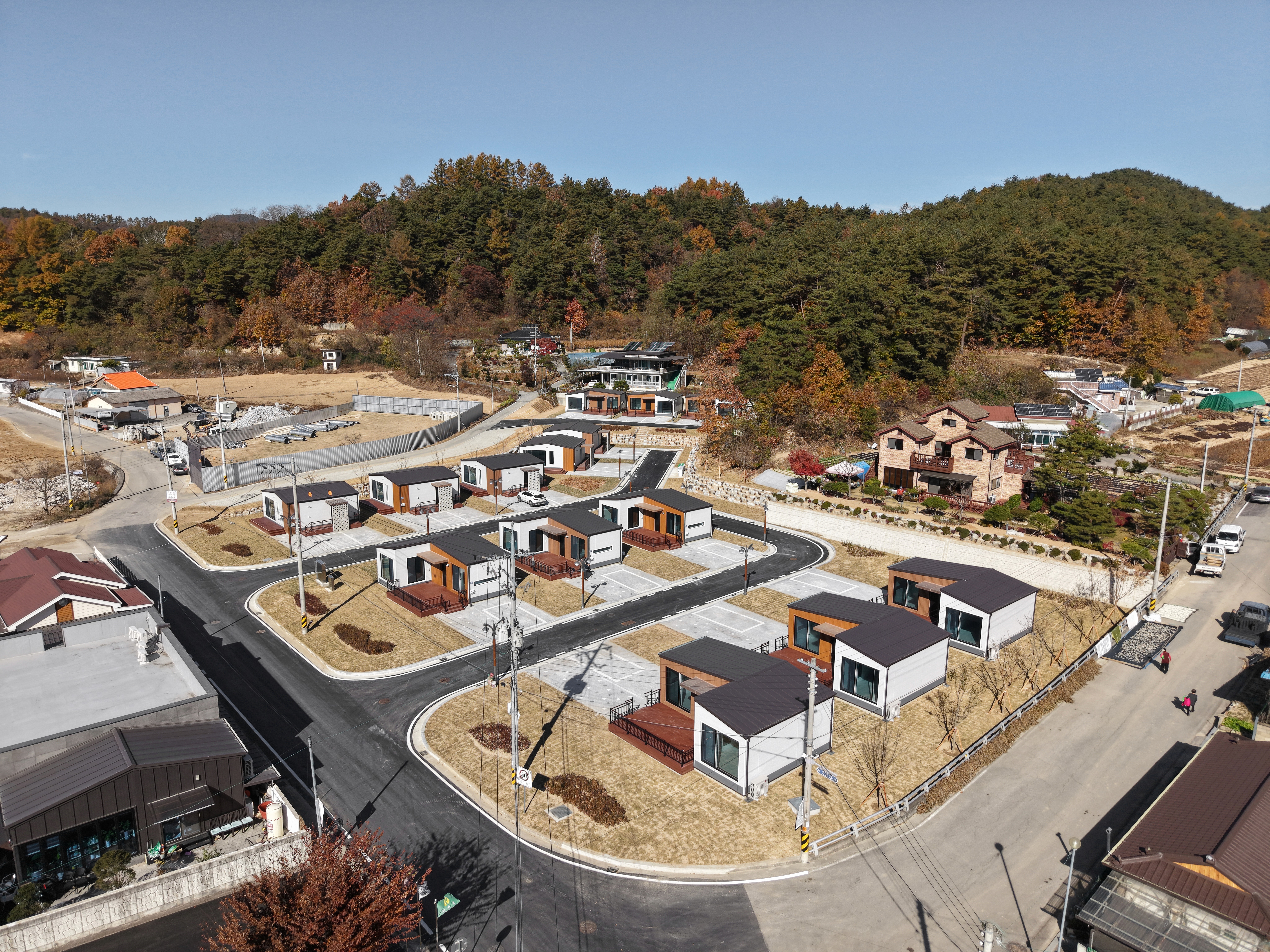
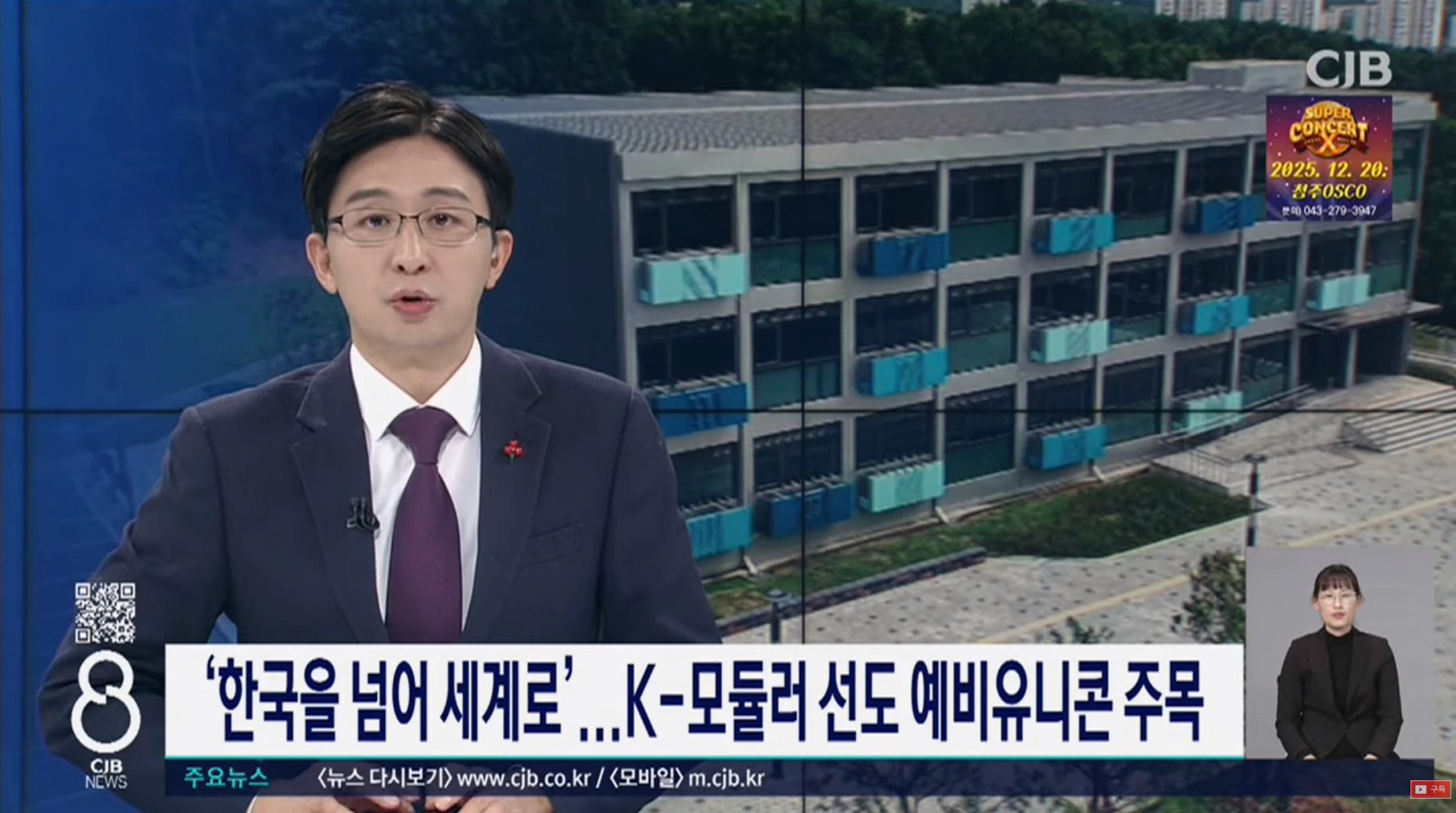
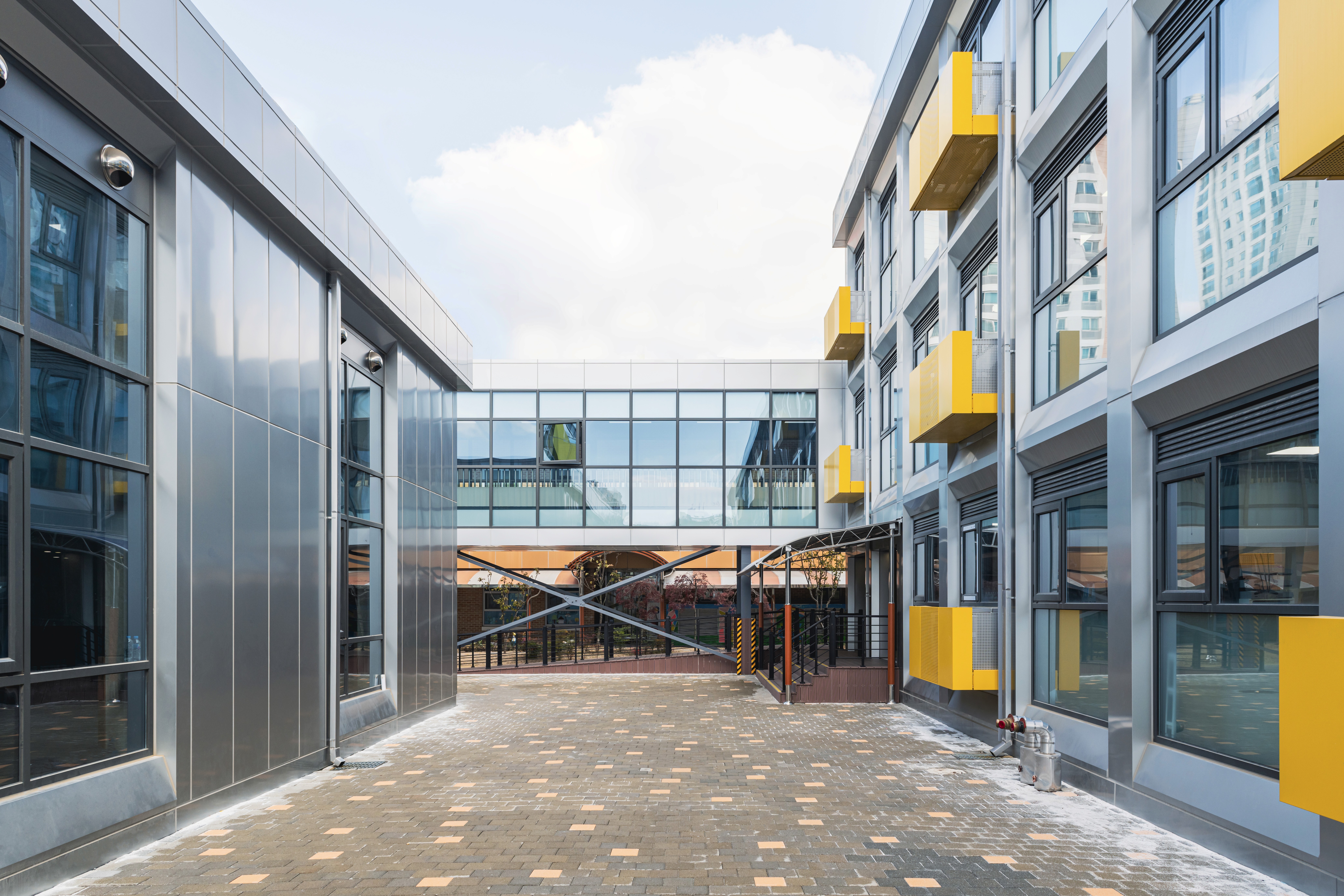
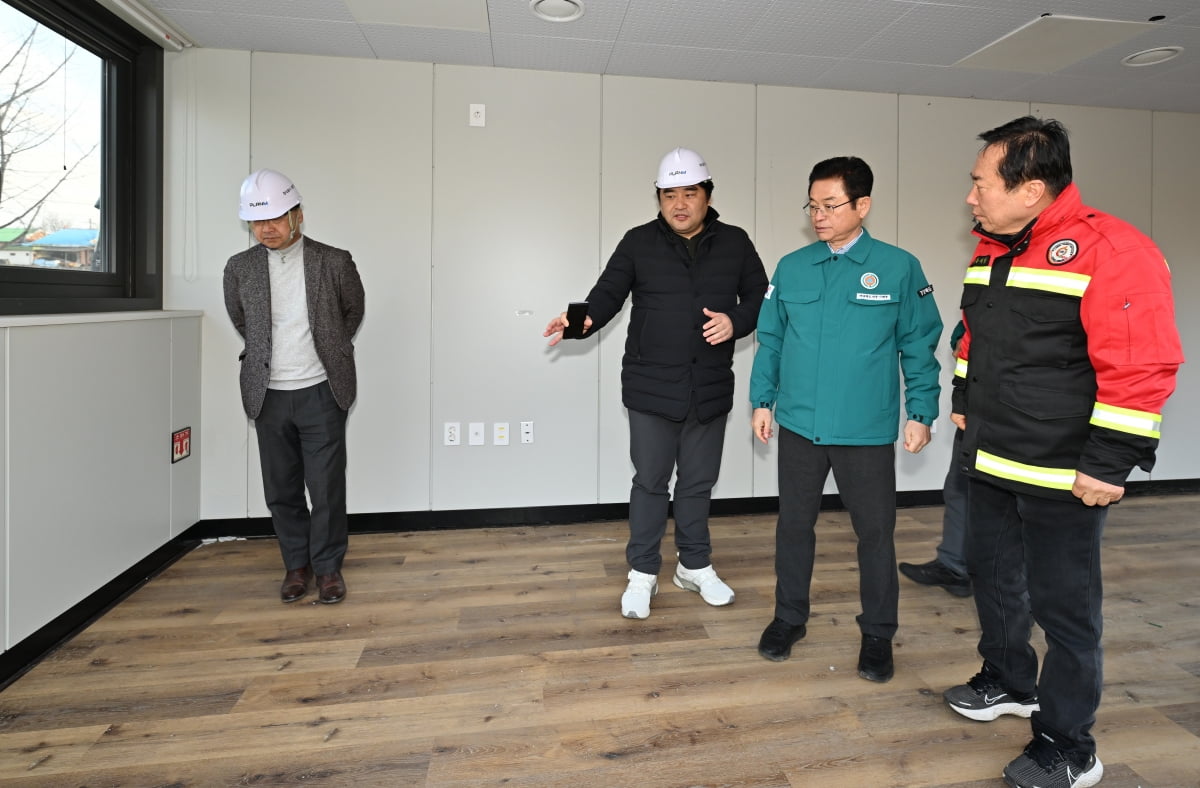
Despite being a young company in its fifth year, PLANM has secured an impressive construction record of over 7,000 modules across 176 schools, supplying modular classrooms to all 17 provincial offices of education in Korea. As of 2024, the school modular segment alone is expected to generate approximately 120 billion KRW in revenue. Beyond classrooms, the company is expanding into various public projects, including modular gymnasiums and vertically extended temporary school buildings.
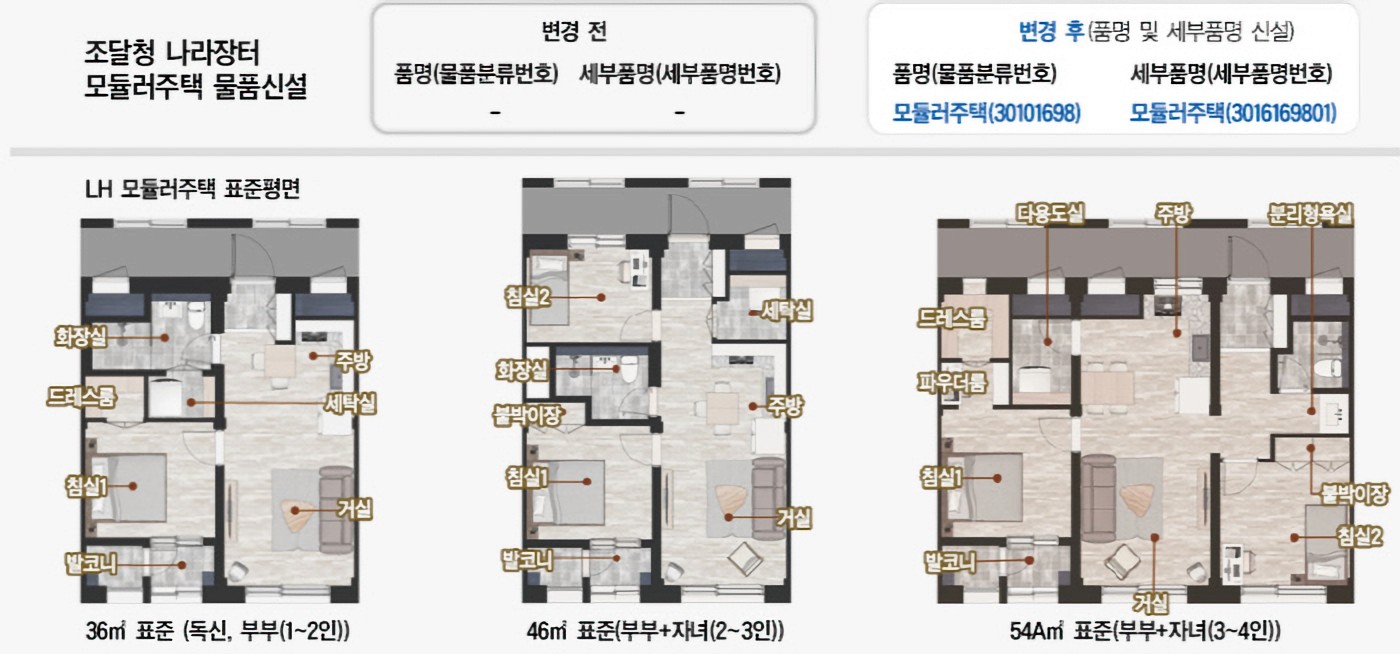
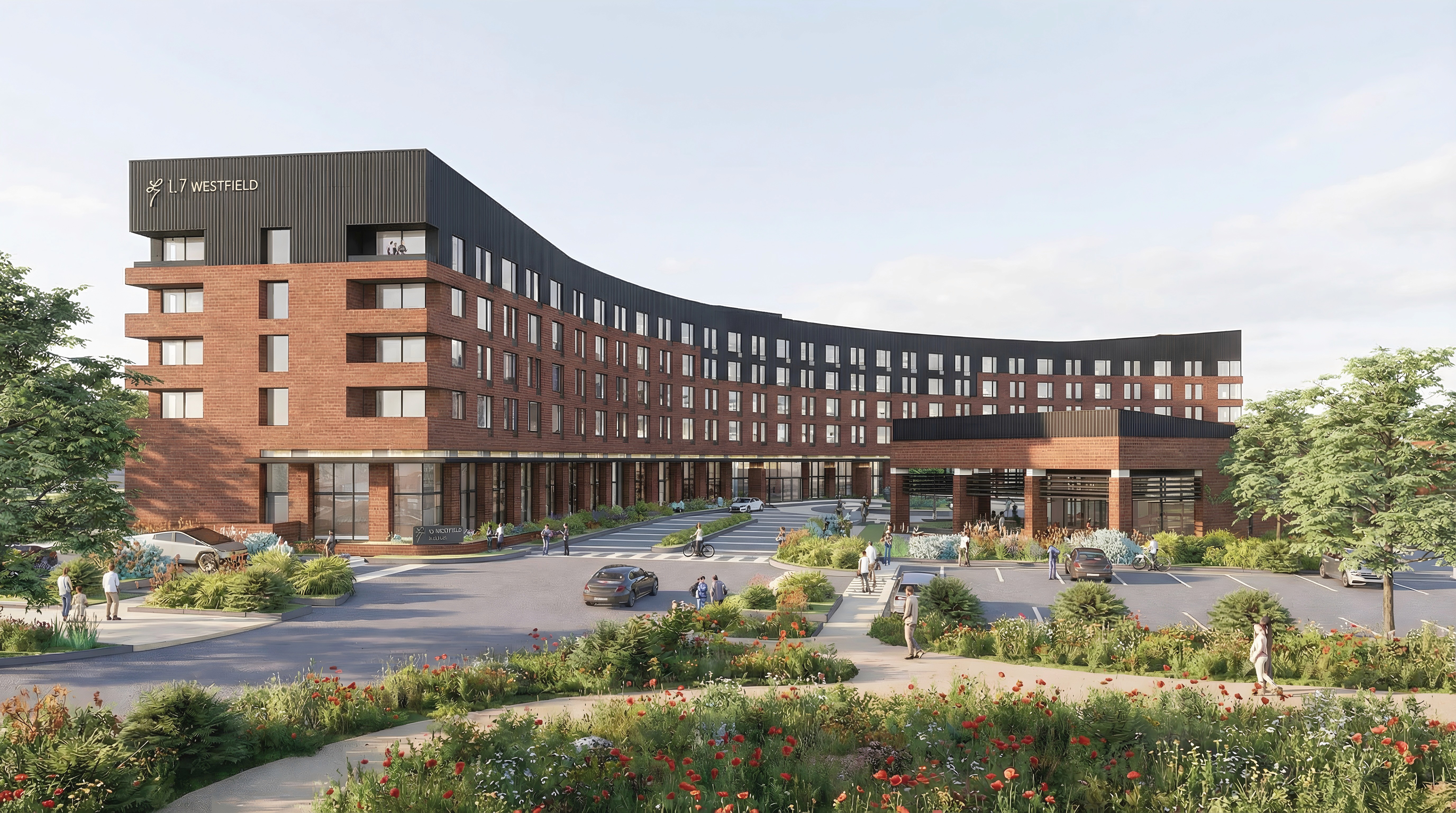
PLANM is not resting on its stable B2G (Business-to-Government) foundation; it is rapidly scaling into the private sector. In the F&B sector, it supplied modular units for Lotteria Drive-Thru (DT) stores. In the hospitality and residential sectors, it has signed agreements for the Lotte Hotel project in Indiana, USA, and modular housing supply in Australia. In the healthcare field, it previously exported mobile PCR testing labs to the U.S., Canada, Germany, and Dubai in collaboration with Seegene.
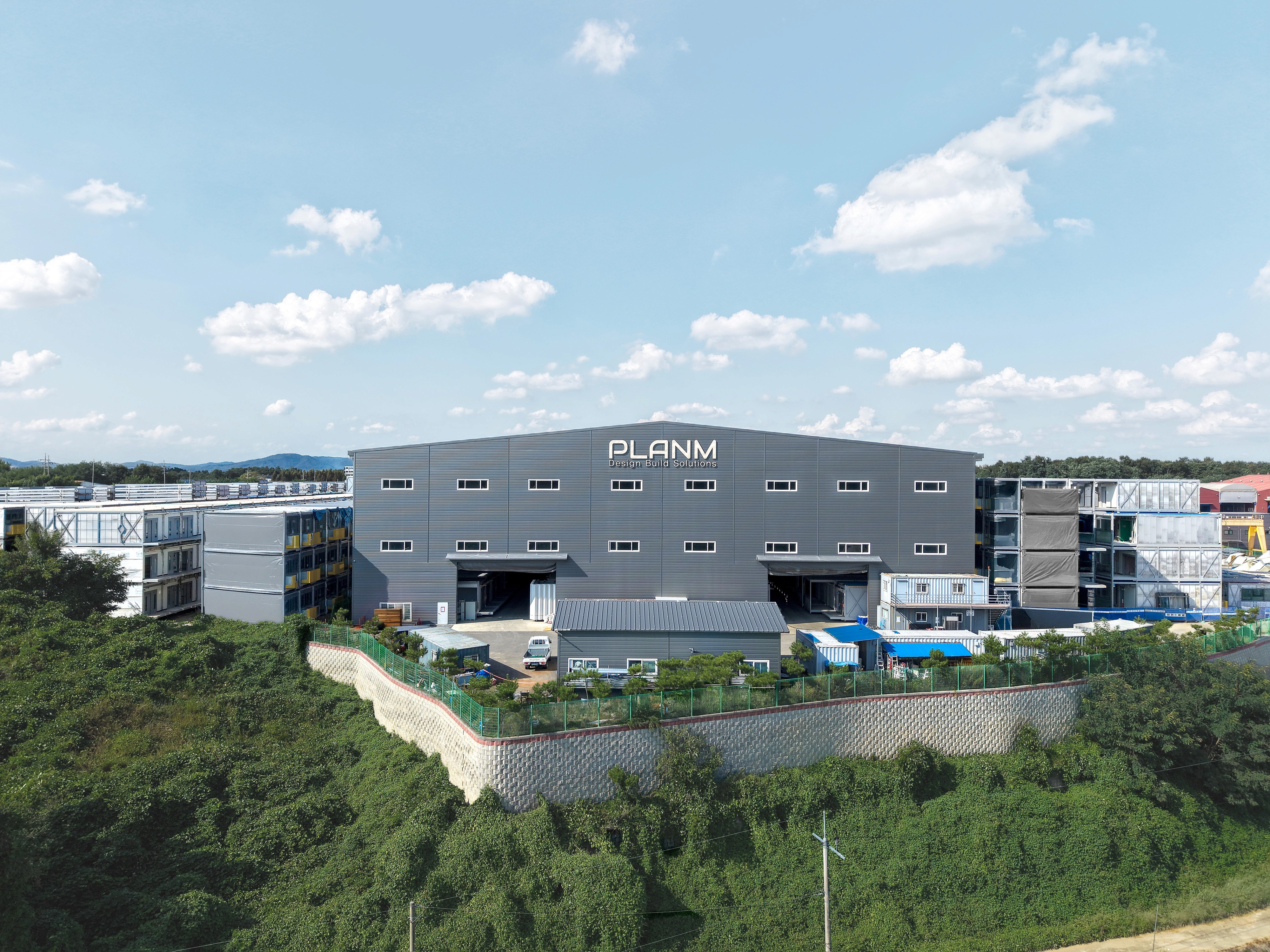
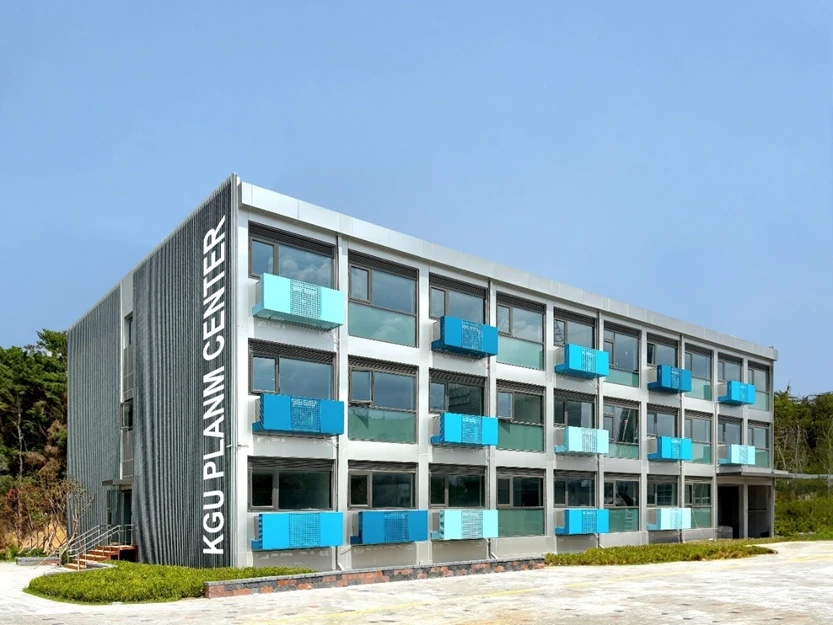
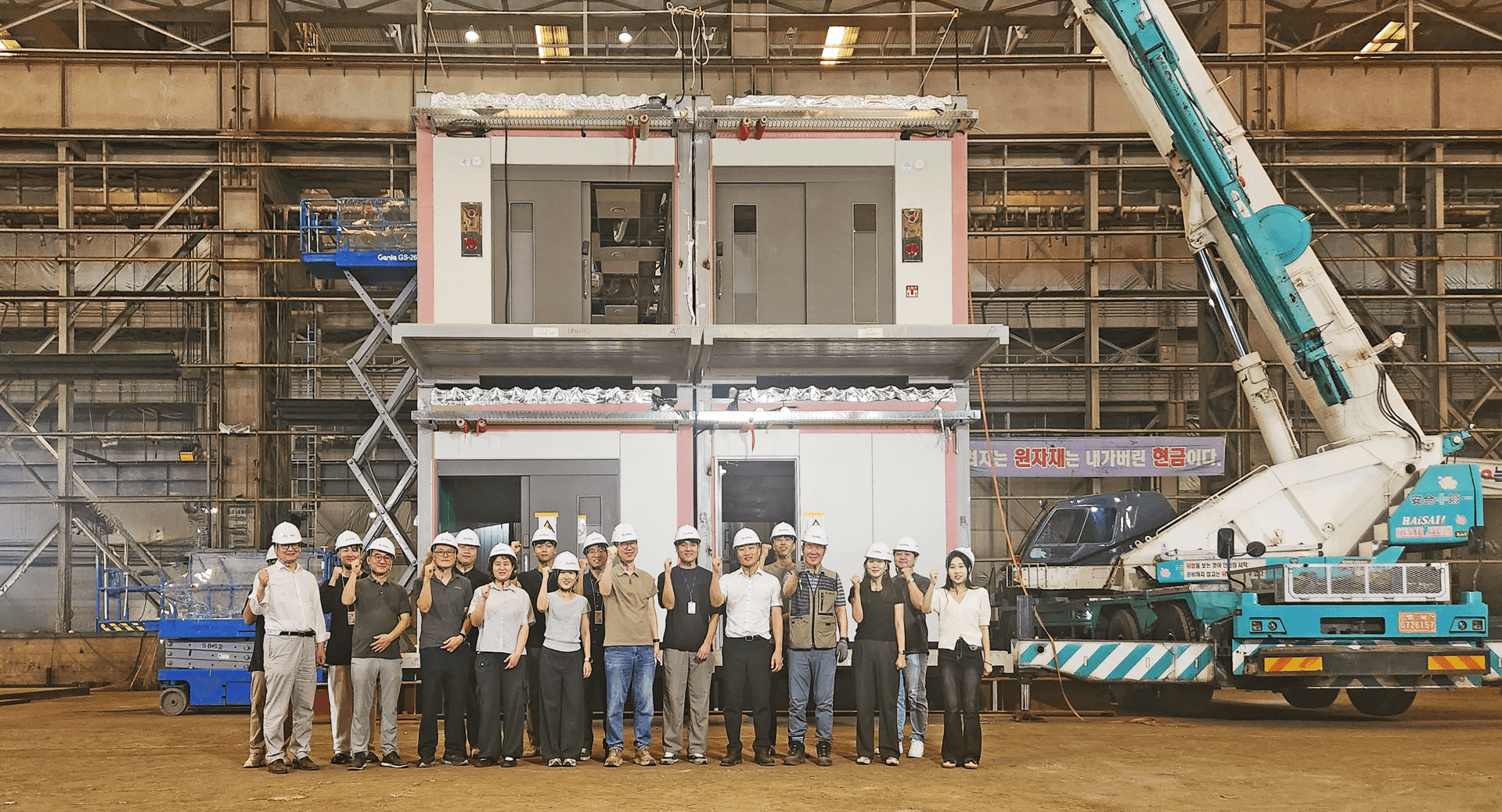
This diversified track record across education, hospitality, housing, healthcare, and commercial facilities has repositioned PLANM not merely as a construction startup, but as a product-based manufacturing and design conglomerate. Its 165,000-square-meter dedicated factory in Eumseong, North Chungcheong Province, is the largest in Korea, with an annual production capacity of up to 10,000 modules. The company plans to further enhance its capacity by securing the Chopyeong plant in early 2025.
Investors particularly value PLANM’s vertically integrated system, which encompasses everything from manufacturing and design to construction and delivery. This setup is recognized for its robust process control and quality management capabilities. Market analysts view this vertical integration as a rare competitive edge in the construction industry, serving as an effective means of risk hedging against external variables.
◇ Remarkable Profitability: High-Efficiency Growth
Another reason PLANM stands out in the Pre-IPO market is its profitability. The company demonstrates a clear distinction from its industry peers, maintaining a robust profit structure that matches its rapid top-line growth.
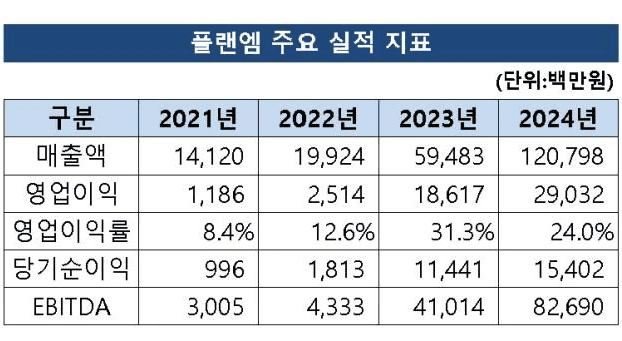
In 2024, PLANM recorded 120.8 billion KRW in revenue and 29.1 billion KRW in operating profit. This represents more than a twofold increase in revenue and an increase of over 10 billion KRW in operating profit compared to the previous year. The company’s operating profit margin reached a substantial 24.1%, more than double that of typical construction and modular firms.
A comparison with its peer group reveals an even clearer gap. In 2024, NRB recorded an operating profit margin of 11.7%, while Daeseung Engineering stood at 12.0%. Yuchang E&C showed the lowest margin at 2.5%. While these companies also engage in module-based manufacturing and construction, there is a distinct difference in the level of vertical integration and in-house process capabilities compared to PLANM.
PLANM also boasts exceptional cash-generating power. As of the end of last year, its EBITDA (Earnings Before Interest, Taxes, Depreciation, and Amortization)—a key indicator of cash flow—reached 82.6 billion KRW. This results in a staggering EBITDA margin of 68%, which is nearly triple its already high operating profit margin. Analysts attribute these figures to a business structure centered on fixed-cost efficiency and cash generation.
This high-margin structure is credited to PLANM’s repeatable modular product design, internalized production facilities, and an integrated "one-stop" process from design to construction. In particular, the company produces 10,000 modules annually at its Eumseong factory, the largest dedicated modular facility in Korea. The recent acquisition of the Chopyeong plant has further enhanced production efficiency and economies of scale.
Market analysts suggest that given its profitability and operational efficiency, PLANM should be viewed not merely as a high-growth startup, but as a fusion model of manufacturing and construction that has realized a high-efficiency structure. Funds raised through the Pre-IPO are expected to be invested in qualitative growth, such as additional plant investments and technological advancement, rather than just simple physical expansion.
Copyright ⓒ thebell, Capital Market Media. All rights reserved. Unauthorized reproduction, redistribution, and AI training use are strictly prohibited.
Article & Press Release Titles
[thebell] NH Premier Blue highly interested in modular firm PLANM's Pre-IPO
[thebell] [PLANM IPO] Success of predecessor NRB raises expectations for favorable market conditions
[thebell] KB Securities reviewing 'up to 30 billion KRW' investment in PLANM Pre-IPO
[thebell] Hedge funds eye modular sector; 'SpaceWavy' next in line