Samsung and PLANM to Conduct Verification in Second Half of Year
Construction to begin next month… Aiming for completion by October next year
150-module scale… Drastic reduction in construction period
Adapting to advancing GPUs and cooling methods
Advantages of unit replacement and expansion… Safety secured
[Daehan Economy = Reporter Kim Min-soo] As the global AI (artificial intelligence) hegemony competition intensifies and the construction of AI infrastructure is unfolding as a speed battle, the first 'MDC (Modular Data Center)' project in Korea is being promoted in earnest, drawing attention.
According to the industry on the 7th, Samsung is promoting the construction of an AI data center in Chiljeon-dong, Chuncheon, Gangwon-do. An application for a building permit was recently submitted to Chuncheon City, and if approved within this month, construction is expected to begin next month.
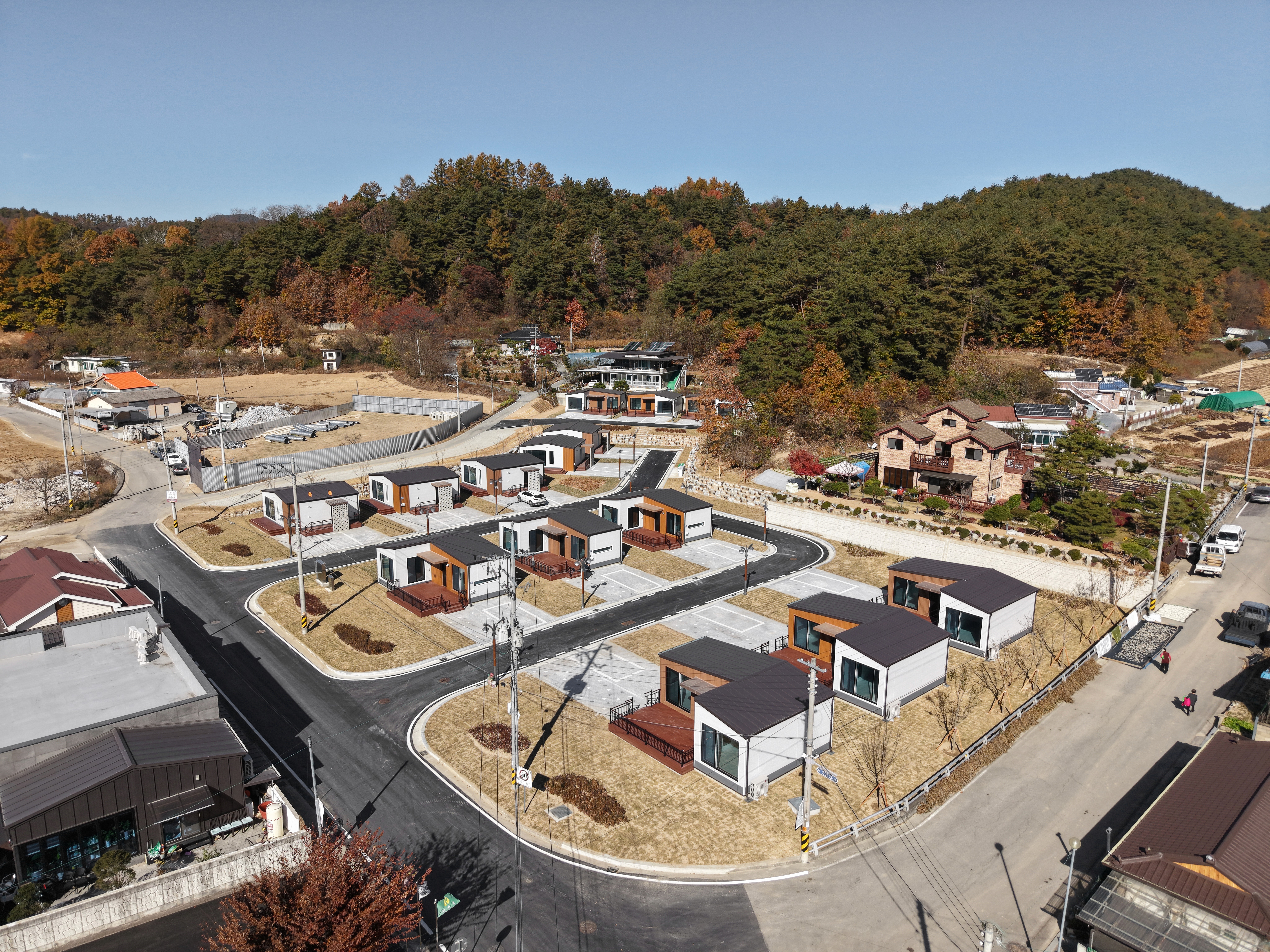
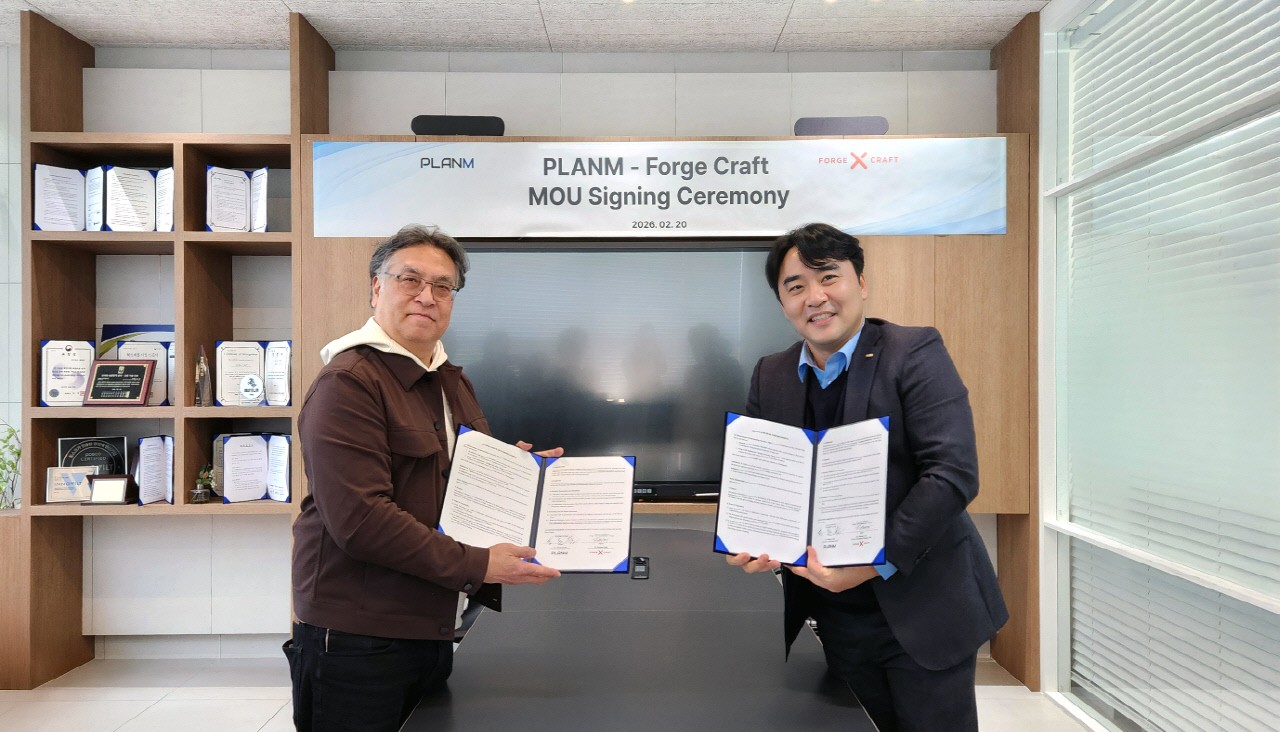
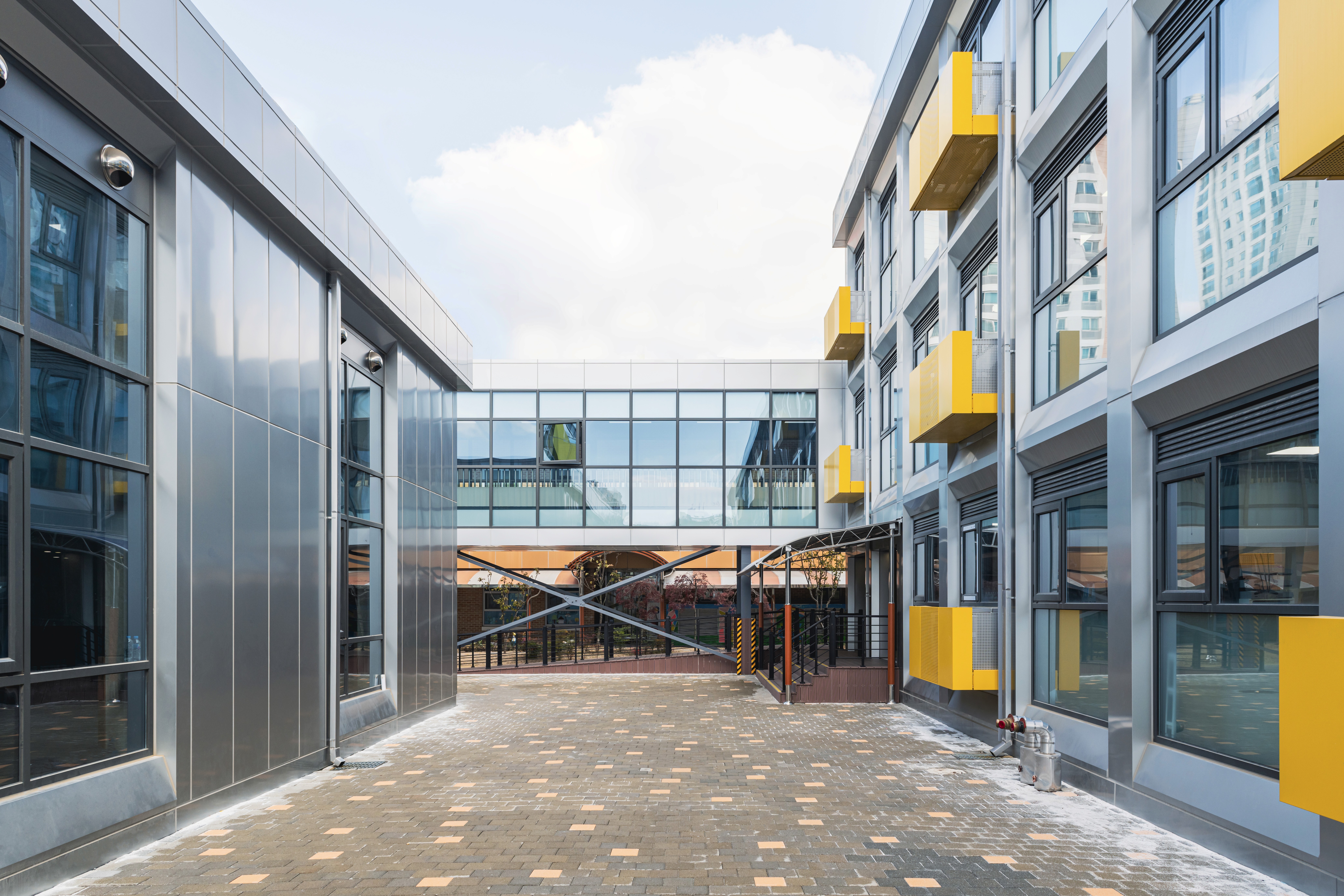
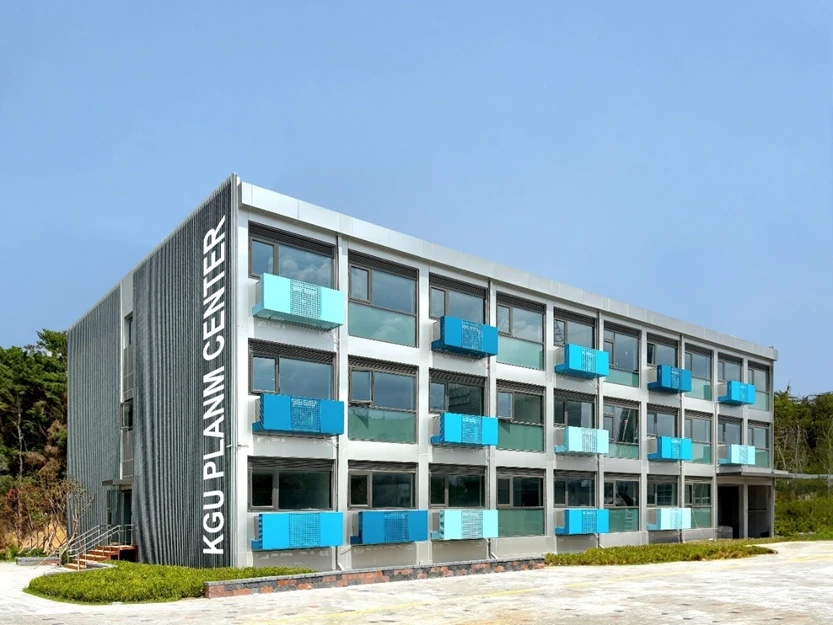
Samsung aims to complete the construction in October next year, and the reason such rapid construction is possible is due to 'modular' technology, in which more than 80% of the building is manufactured in a factory and only assembled on site. Samsung has joined hands with PLANM, a company specializing in modular construction that has a track record in modular projects for schools, hotels, and housing both domestically and internationally.
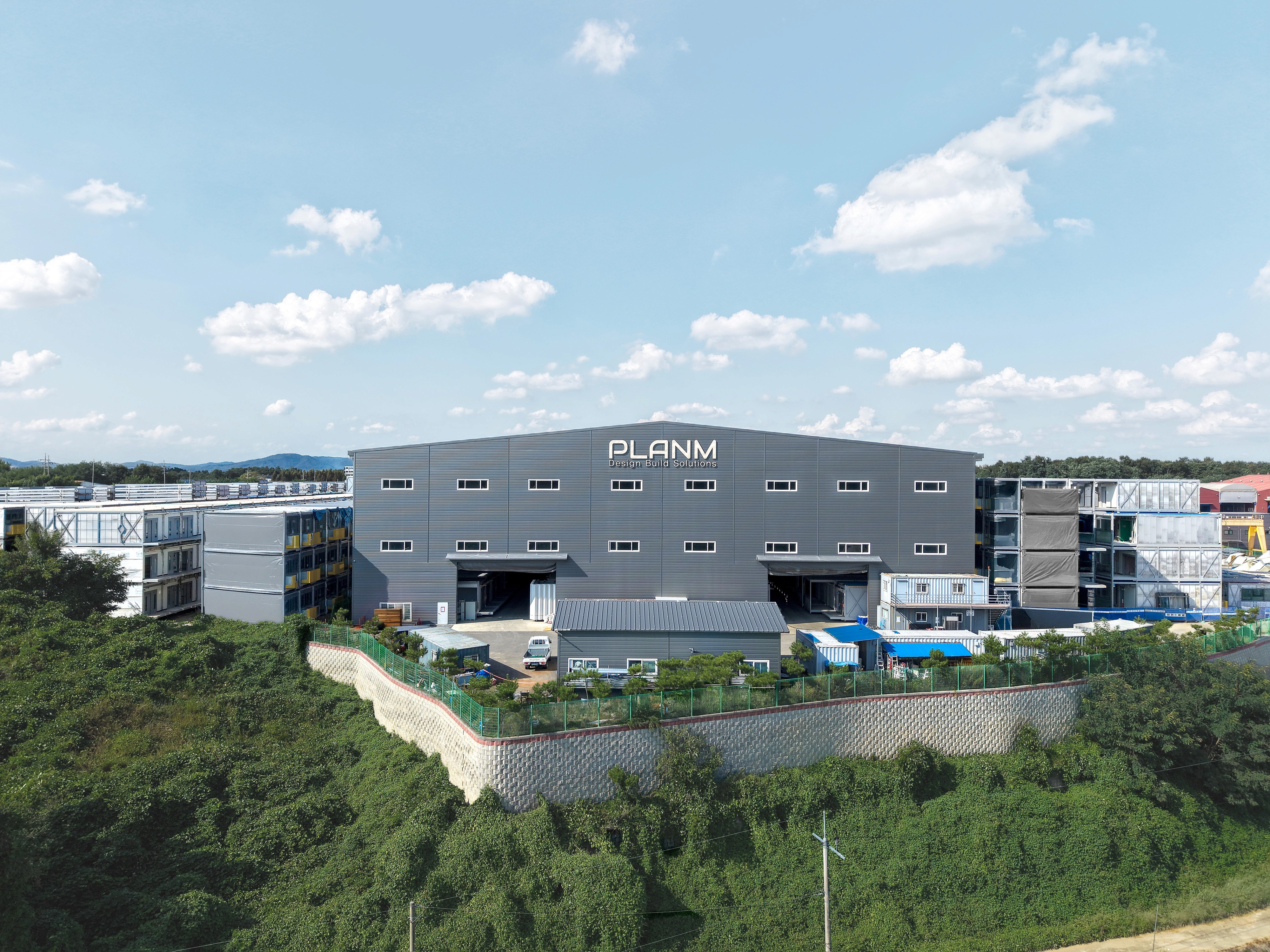
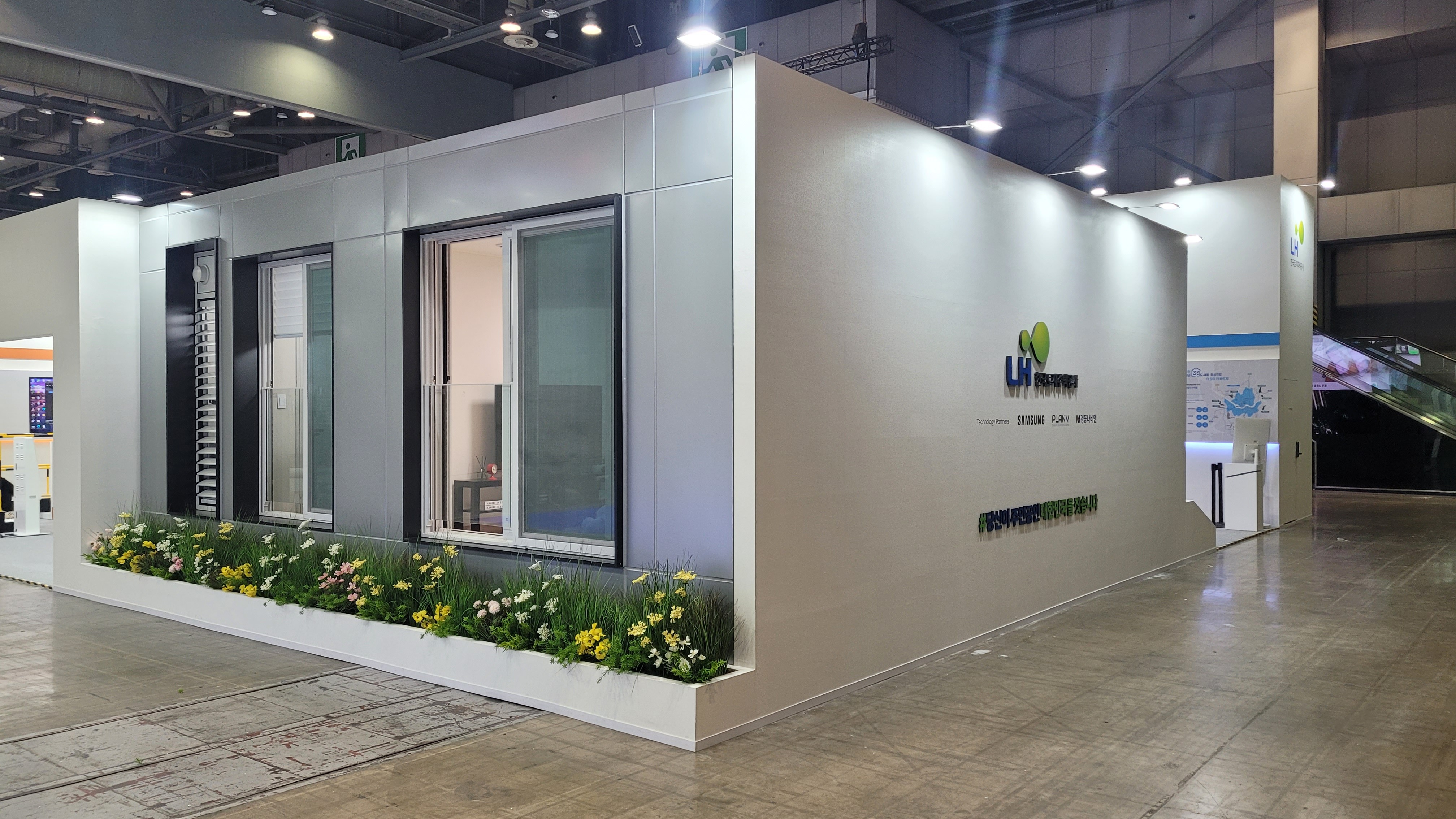
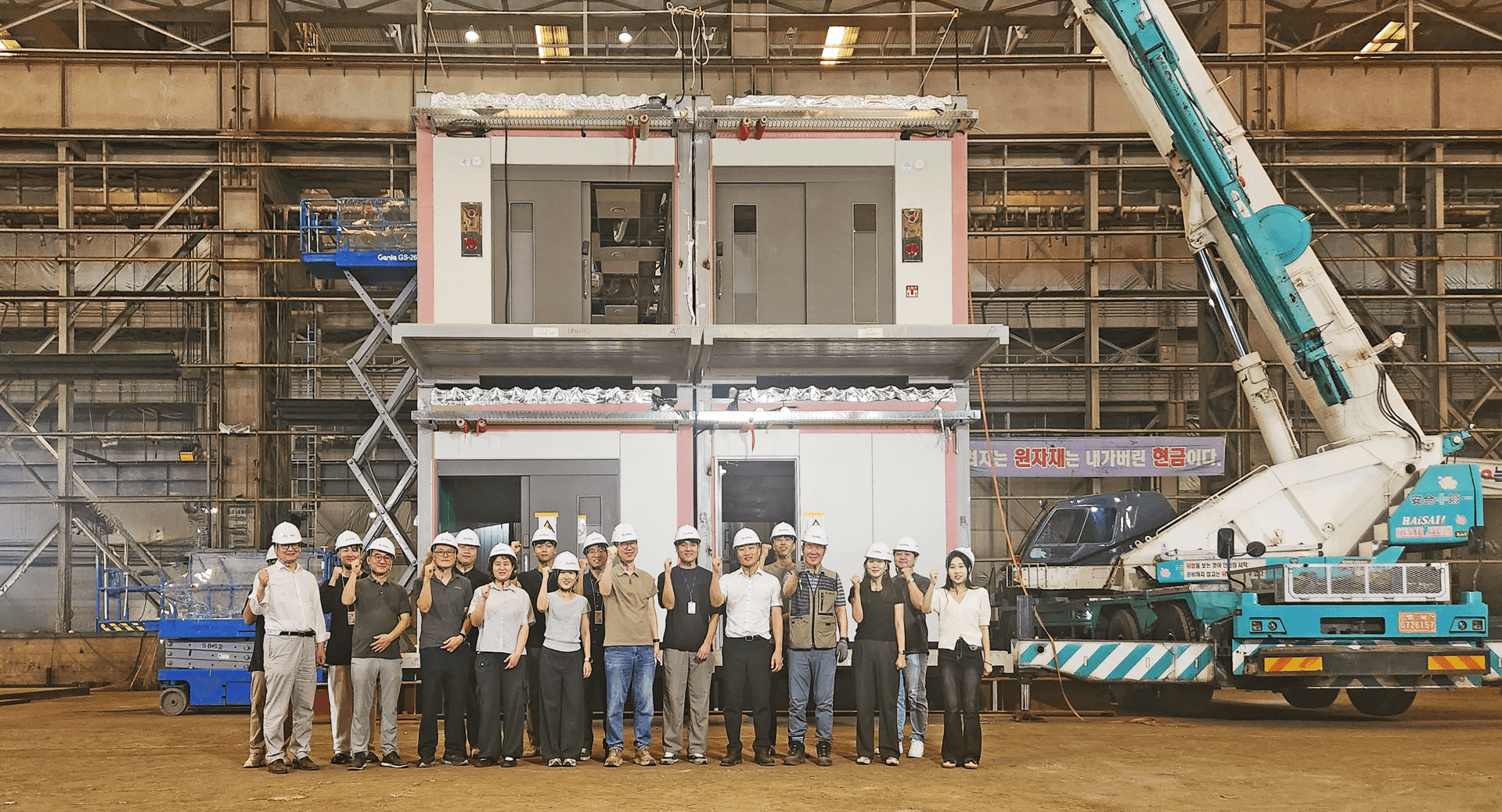
The two companies have already finished manufacturing a mock-up (full-scale model) of the modular data center at PLANM's factory in Eumseong, Chungcheongbuk-do, and plan to use it for a 150-modular demonstration project scheduled to take place in Chuncheon in the second half of the year.
Along with this Chuncheon demonstration project, PLANM is working on developing high-rise structures that comply with the Building Act in order to build urban high-rise data centers. It is also considering applying a high-load responsive stacked modular structure to build non-metropolitan hyperscale data centers of 300 MW or more.
This means they have established an all-round response system with optimal structures for each category according to business scale and purpose, from edge to hyperscale, and from general cloud data centers to high-density AI data centers.
The modular construction method for data centers is attracting attention because the existing reinforced concrete (RC)-oriented construction methods have limitations in responding quickly to the rapidly changing demand for data center infrastructure. In a situation where the gap between the securing of site and the actual operation of the data center is widening due to power security and licensing issues, how quickly the secured land can be converted into an operational asset has become a core competitiveness.
The modular method, in which design and manufacturing are done in a factory and assembled on site, can drastically shorten the construction period compared to the RC structure. According to GMI (Global Market Insights), a global market research firm, adopting a modular method can reduce the construction period from quarters to months.
Another major advantage is the ability to flexibly replace and expand units in line with advancing GPUs (Graphics Processing Units) and changes in cooling methods. While the generational replacement cycle for semiconductor and cooling technologies is shortening, fixed structures have limitations in that the building structure itself must be modified whenever equipment is replaced. On the other hand, the modular structure separates the design of the facility module and the structural module, allowing only facility units to be replaced or expanded without reconstructing the structure.
In particular, for AI data centers, power density per rack is soaring from the existing 10–25 kW level to tens of kW or more, and the installation of heavy equipment such as liquid immersion cooling and water cooling is becoming common. Since the modular structure responds to load conditions with standardized and verified structural modules from the design stage, it maintains excellent structural safety even when switching to high-load equipment.
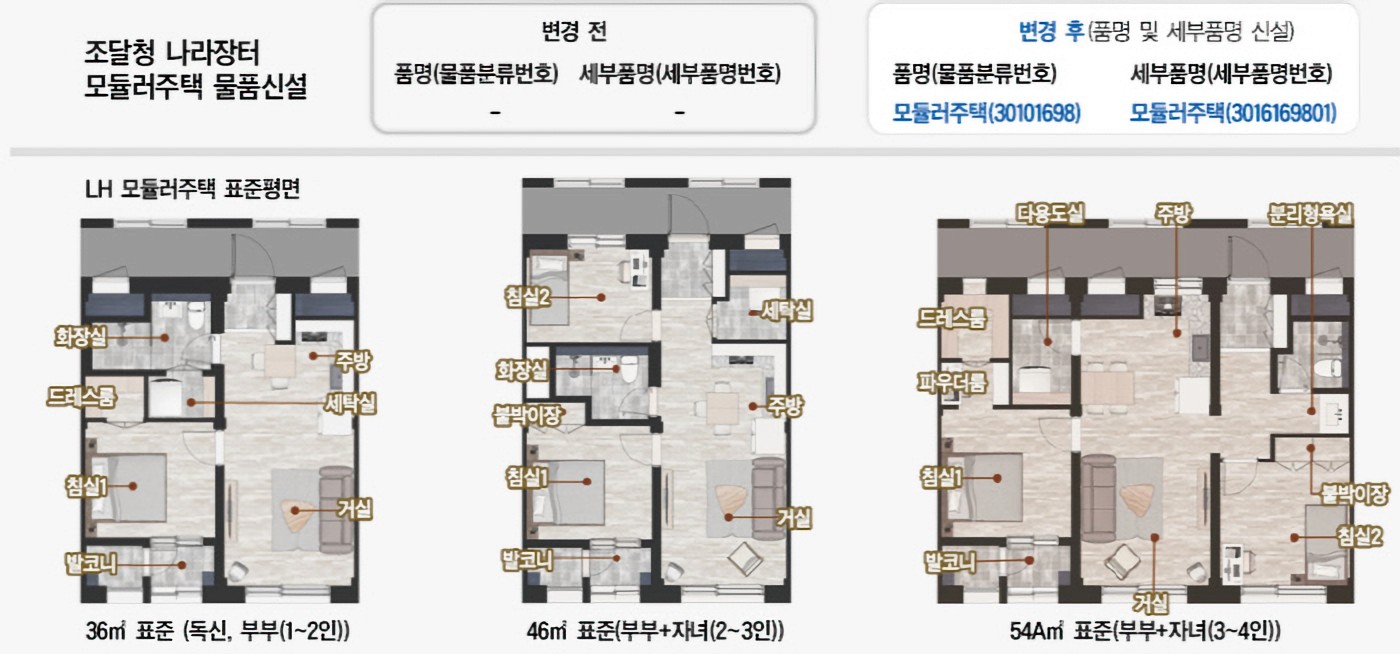
It is also advantageous in terms of permits and asset value. Unlike container-type structures classified as temporary facilities, modular structures made of steel frames and concrete can be licensed as permanent buildings under the domestic building law. Thanks to this, they can secure the long-term asset value required for the operation and sale of data centers.
To position itself as a modular data center provider, PLANM has been steadily building workforce and cooperative foundations through market research since 2024. Sixty-five percent of its entire workforce is comprised of modular design, manufacturing, and construction experts, and 25% of its dedicated data center staff graduated from overseas universities, enhancing its professional expertise.
Lee Min-gyu, CEO of PLANM, said, "Our goal is to go beyond simply providing modular structures and offer customized, optimized solutions tailored to changing equipment demands," adding, "By integrating data center structural design capabilities with facility areas such as power and cooling, we will dramatically reduce the burden on clients who had to procure and verify structures and facilities individually."