Gyeongbuk-do Introduces "New-Concept Modular Housing" for Wildfire Victims
On the 18th, move-ins began for Andong City’s first temporary modular home, located on the grounds of the Kwon Jeong-saeng Children's Literature Museum. — Yonhap News
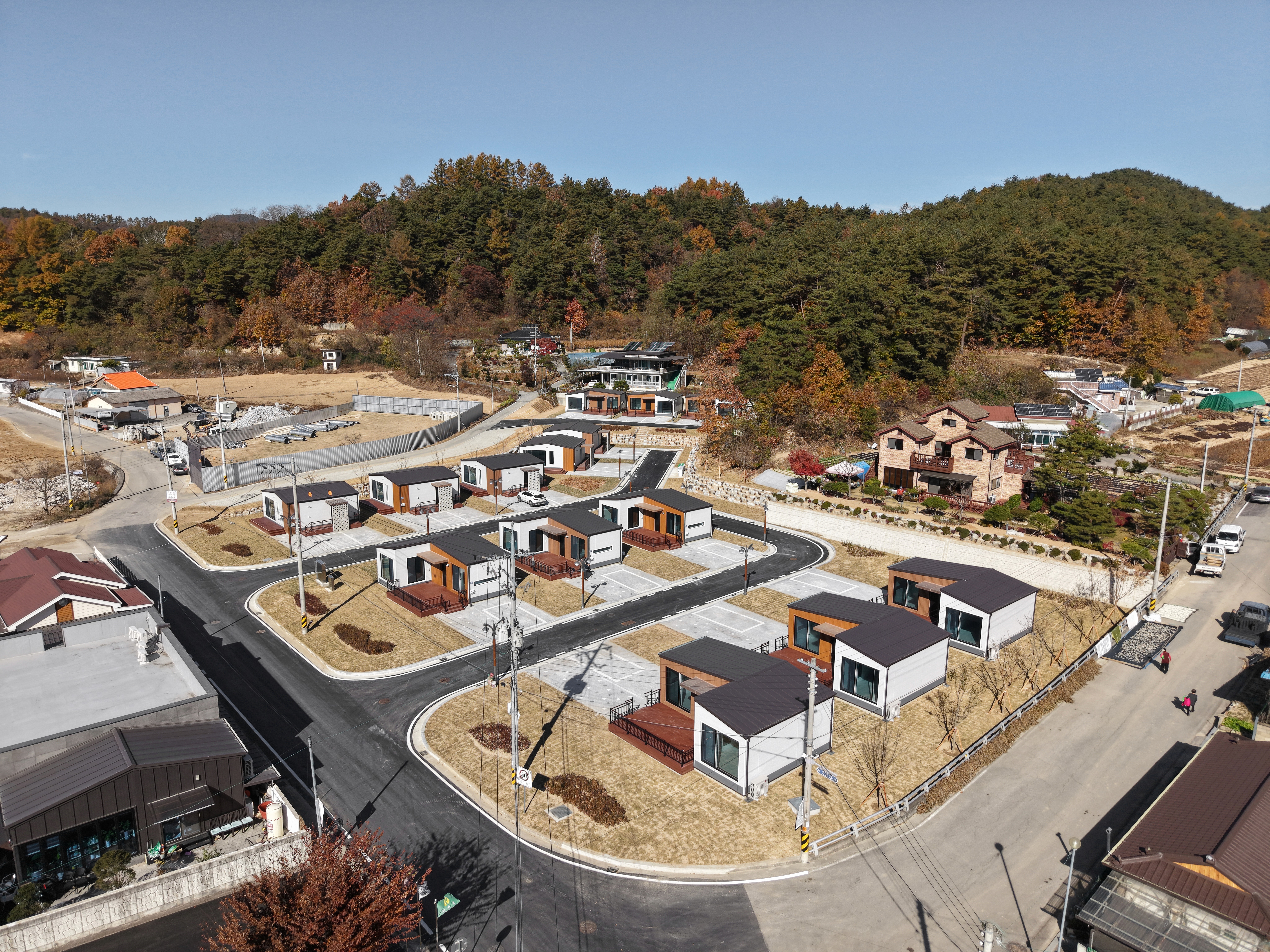
Gyeongsangbuk-do (Gyeongbuk Province) has developed a "new-concept temporary housing" solution for displaced residents unable to return home due to massive wildfires. Unlike traditional temporary shelters, these units can be stacked vertically to create multi-story buildings and expanded by removing internal walls. This flexible structure allows the units to be repurposed for various uses beyond emergency housing in the future.
The province announced on the 20th that it will supply a total of 211 Gyeongbuk-style modular homes to five cities and counties hit by the wildfires by the end of next month. The distribution includes Andong (18 units), Uiseong (42), Cheongsong (20), Yeongyang (41), and Yeongdeok (90).
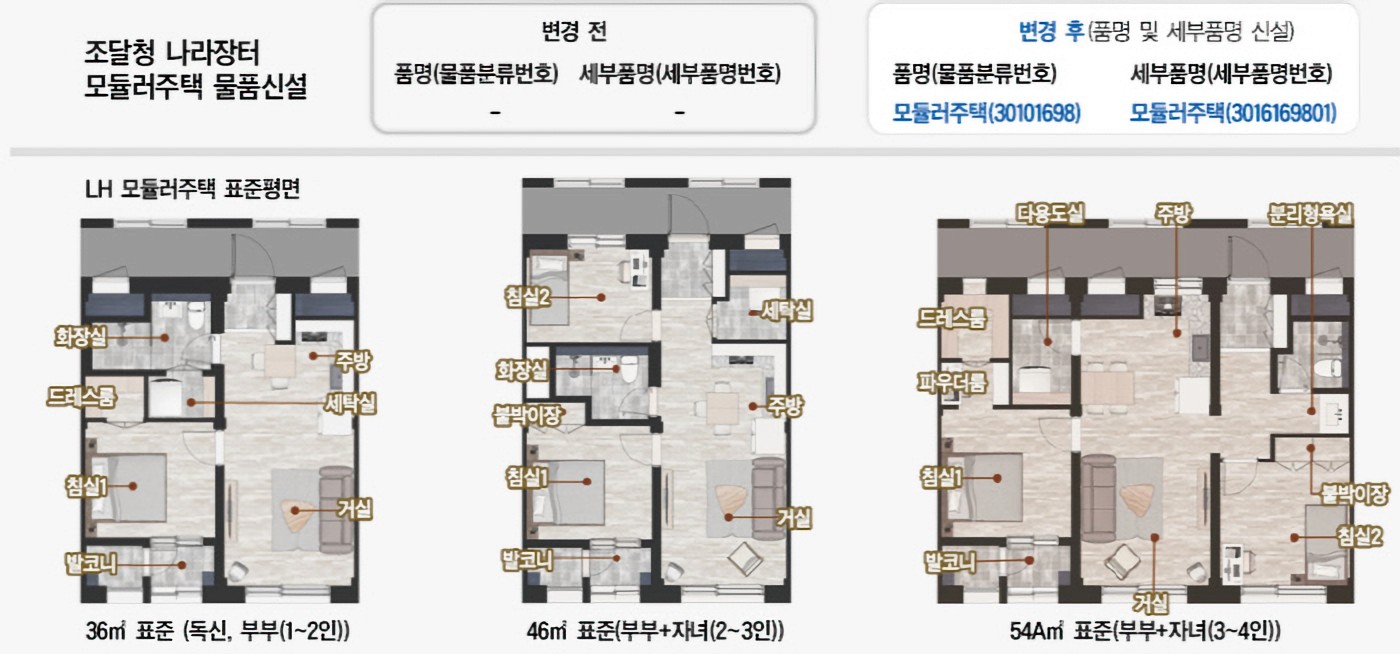
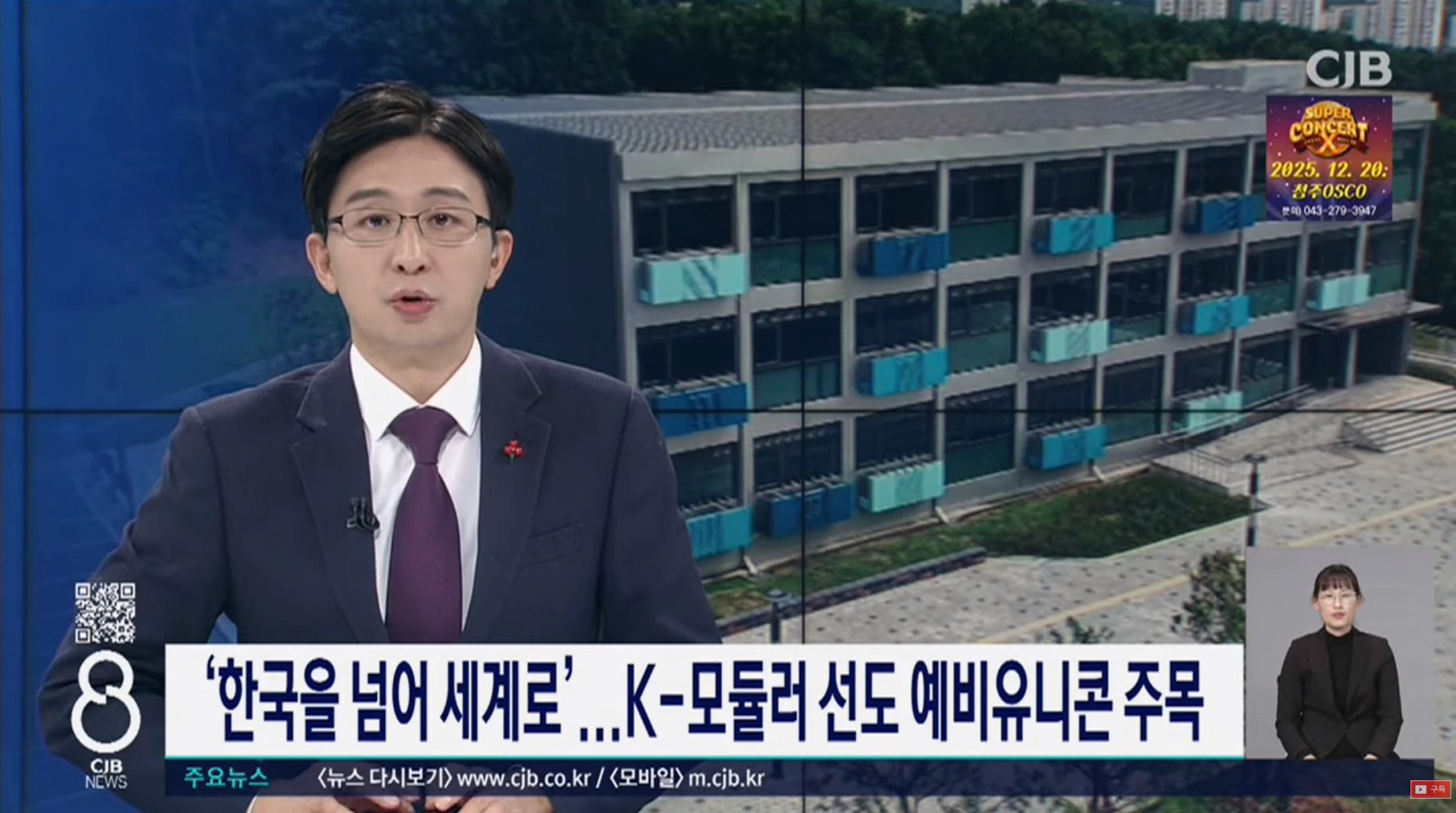
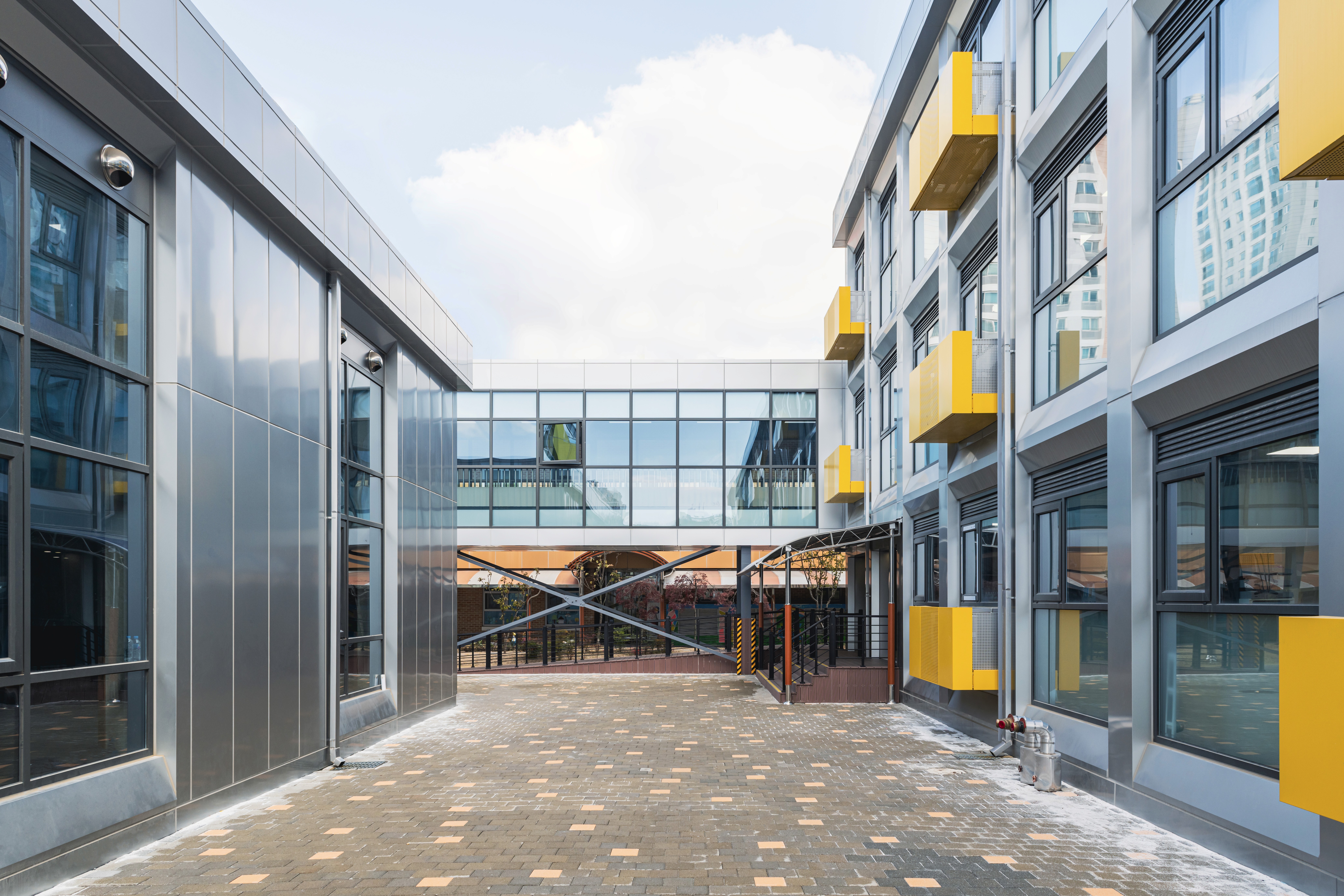
The first residency commenced on the 18th at the Unit 1 modular housing site in Mangho-ri, Iljik-myeon, Andong. This two-story, double-corridor structure consists of 18 individual units, each measuring approximately 30m² (9 pyeong). Each unit features an entrance, bathroom, bedroom, and balcony, and is fully equipped with a sink, heating and cooling system, and induction stove. To support the residents' return to daily life, essential appliances such as a refrigerator, washing machine, microwave, and rice cooker were also provided as relief goods.
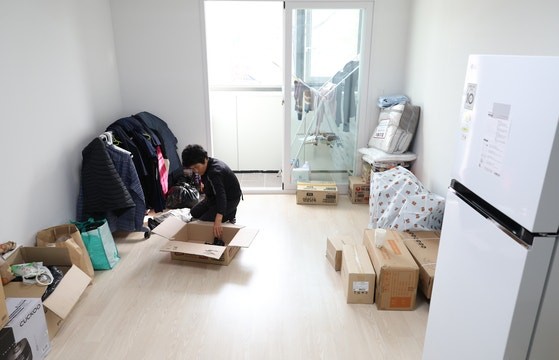
Gyeongbuk-style Modular Housing: A Sustainable Solution for Disaster Relief and Beyond
As move-ins for Andong’s Unit 1 modular housing—installed at the site of the Kwon Jeong-saeng Children's Literature Museum—began on the 18th, a displaced resident was seen settling in. — Yonhap News
Under the Disaster Relief Act, residents are permitted to live in these modular homes for one year, with a possible one-year extension, allowing for a total of up to two years of temporary residency. While interior specifications are similar across other regions like Uiseong, residents are exempt from security deposits and rent, though they are responsible for utility bills such as water and electricity.
“My body and mind are exhausted after seeing the home and belongings I’ve had for a lifetime turn to ashes,” said Resident A, who moved in after losing their home in Iljik-myeon. “I am deeply grateful for the rapid response that allowed me to move in so quickly and so close to my original home. I hope for continued interest and support until our village is fully restored.”
Solving the "Post-Disaster" Dilemma
According to Gyeongsangbuk-do, the newly deployed "Gyeongbuk-style Modular Housing" differs significantly from traditional site-assembled or container-type shelters. Conventionally, temporary units were either sold off or stored until the next disaster. However, with 3,819 homes damaged in the recent wildfires, the scale of the crisis demanded a massive amount of temporary housing, raising concerns about the difficulty of storing or reselling such a large volume of units once their initial purpose was served.
“Traditional assembly-type houses lacked scalability, and because major disasters like this wildfire don't follow a predictable cycle, it was difficult to determine how long we should store them,” explained a provincial official. “After much consideration, we decided to design a structure that could be repurposed for various non-residential uses.”
A Virtuous Cycle of Reuse
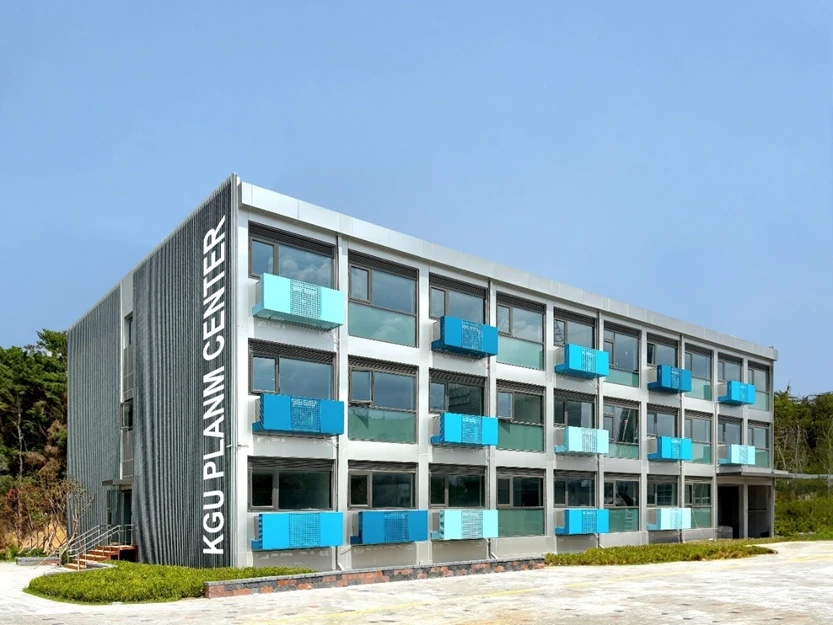
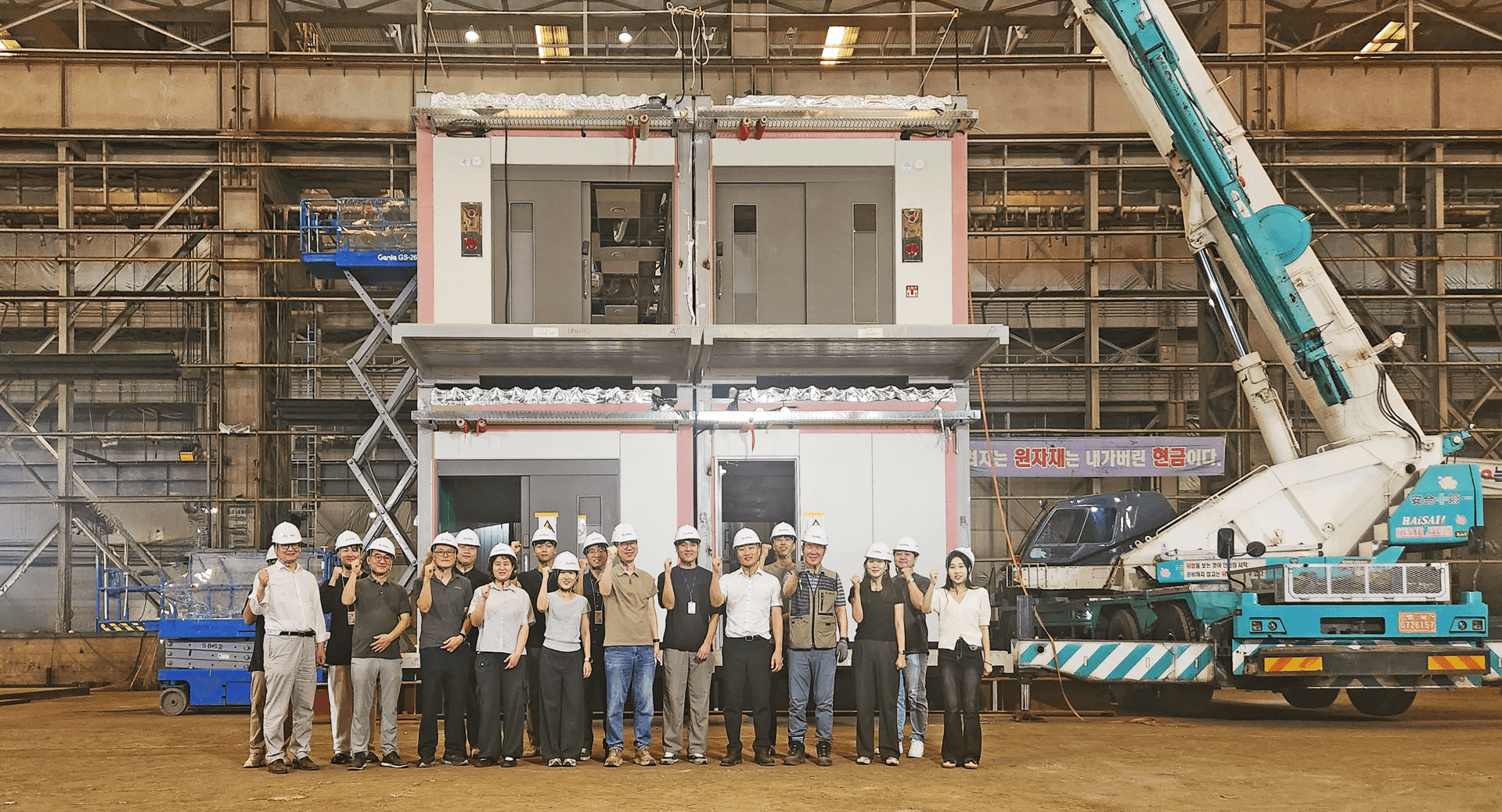
The Gyeongbuk-style modular units are designed for maximum flexibility: internal walls can be removed to connect units for expansion, and they can be stacked to create multi-story buildings.
Once the displaced residents return to permanent housing, these modules can be repurposed:
Community Facilities: Connecting three units to replace destroyed village halls.
Worker Dormitories: Housing for seasonal agricultural workers.
Rural Tourism: Utilization as rural guesthouses or pensions.
With a durability of approximately 40 years, these units can also be quickly redeployed for future disaster relief. This creates a sustainable virtuous cycle, ensuring that public resources are used efficiently while providing rapid, high-quality support for those in need.
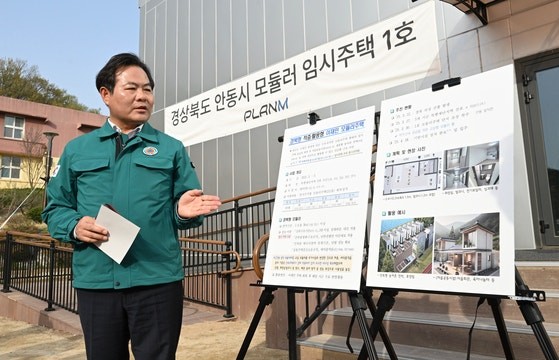
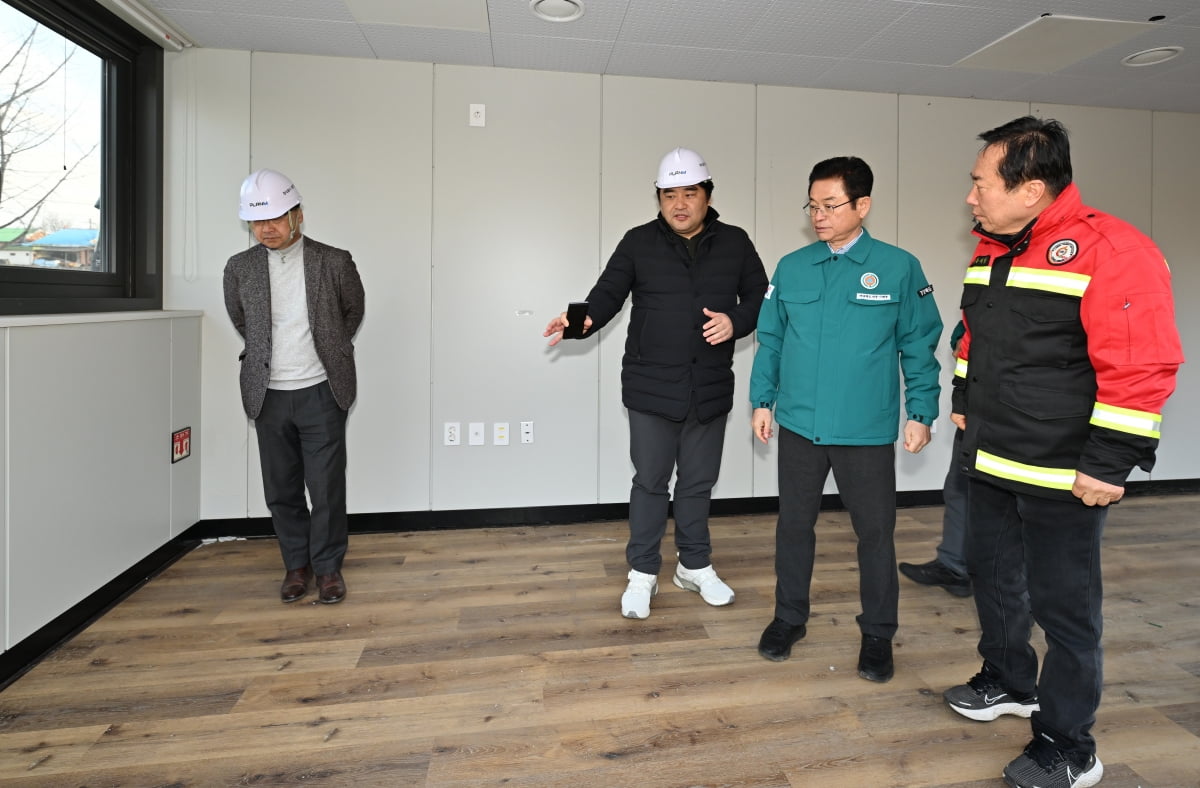
Gyeongbuk Vice Governor Kim Hak-hong Oversees Move-in of "Gyeongbuk-style Modular Housing" for Wildfire Victims
On the 18th, Kim Hak-hong, Vice Governor for Administrative Affairs of Gyeongsangbuk-do, explains the current status of the project in Iljik-myeon, Andong, as move-ins begin for the Gyeongbuk-style modular housing units designed for wildfire victims. [Photo: Gyeongsangbuk-do]
According to the plan, Gyeongsangbuk-do is pilot-testing 211 Gyeongbuk-style modular units out of a total of approximately 2,700 temporary houses. The remaining units will consist of standard temporary prefabricated residential houses provided by the Ministry of the Interior and Safety (MOIS). Gyeongsangbuk-do and MOIS aim to supply around 1,000 units by the end of this month and are making preparations to ensure all displaced residents can complete their move-in by the end of next month.
Vice Governor Kim Hak-hong stated, "We will continuously monitor the Gyeongbuk-style modular housing to ensure it serves as a safe and comfortable haven for the residents. We plan to further evolve our emergency residential response system for displaced residents to better prepare for future large-scale disasters."
Andong = Reporter Baek Kyung-seo (baek.kyungseo@joongang.co.kr)
Copyright © JoongAng Ilbo. All rights reserved. Unauthorized reproduction and redistribution prohibited.