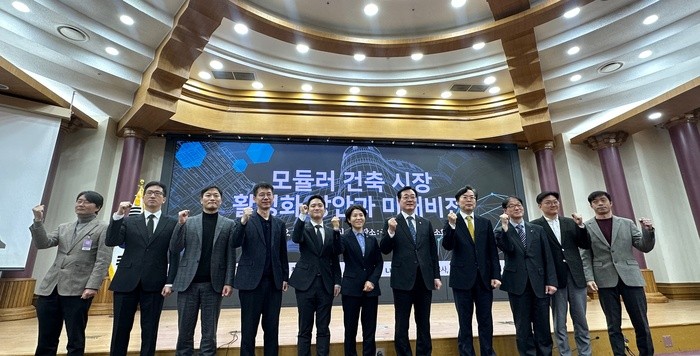
[Daehan Economy] "Methodology is Key, Not Just Expanding Modular Supply"
[Reporter Son Min-ki] “To truly vitalize the modular market, we must go beyond simply increasing the supply volume.”
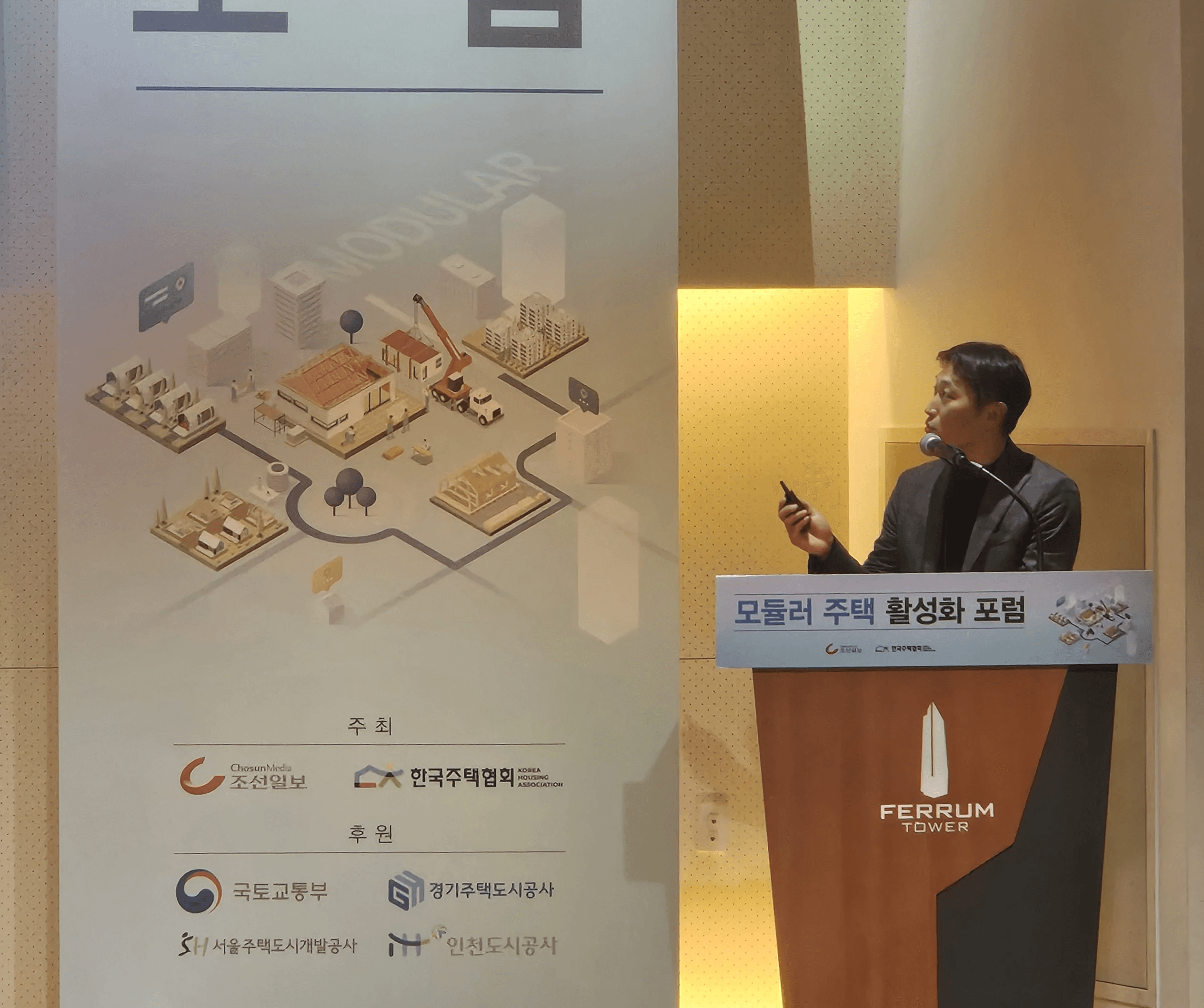
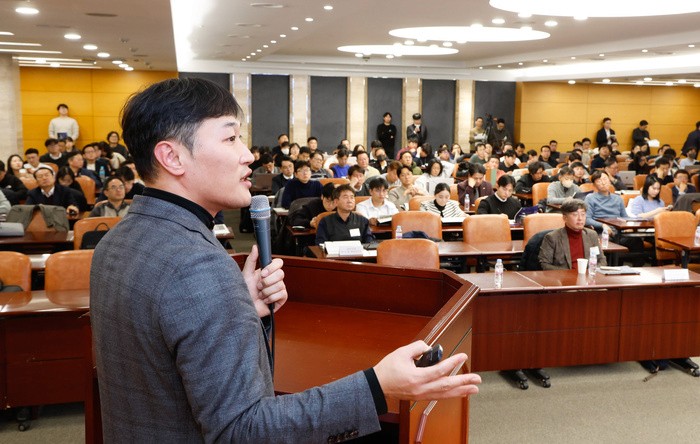
Song Sang-hoon, a research fellow at the LH Land & Housing Institute, stated during the ‘Modular Construction Market Vitalization and Future Vision’ seminar held at the National Assembly Members' Hall on the 1st: “It is crucial for the public sector to establish strategies not just for expanding supply, but for how that supply is delivered.”
The seminar was hosted by the office of Rep. Min Hong-chul (Democratic Party) and co-organized by the Korea Housing Association and LH. It was designed for the public and private sectors to discuss practical measures to revitalize the modular construction market.
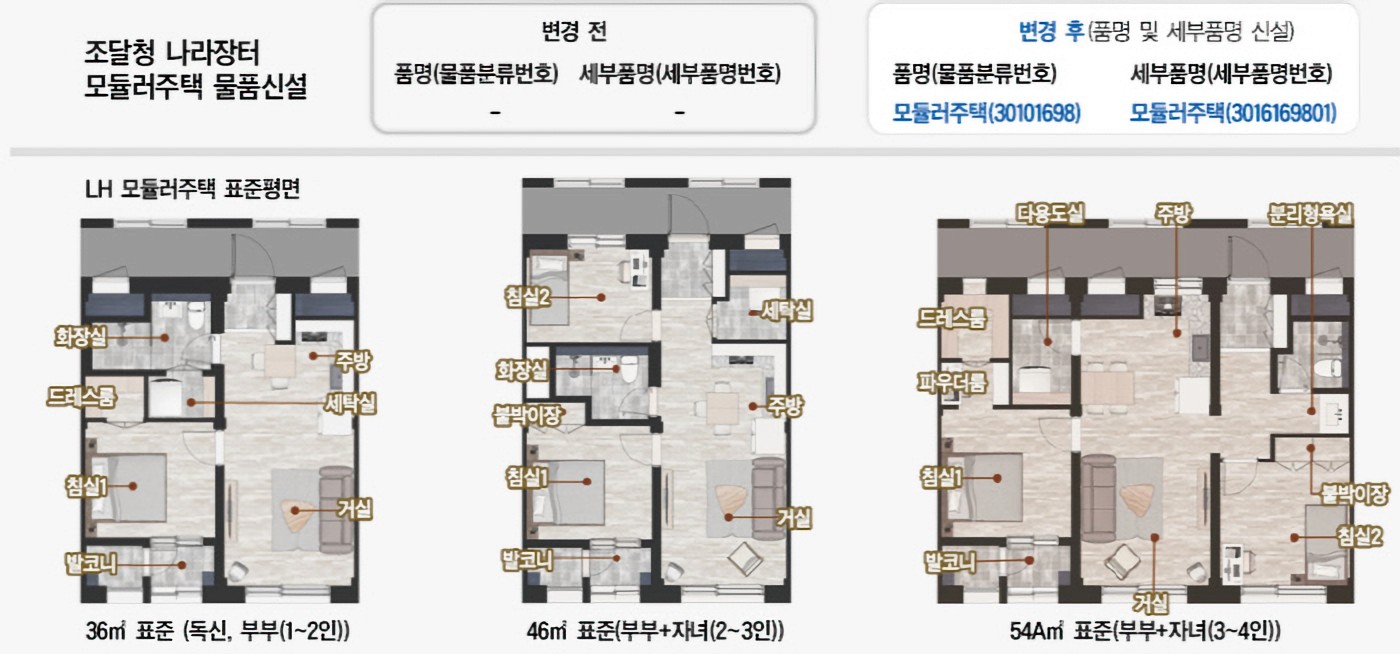
In his presentation, Song emphasized "Modular Standardization" as the core role of the public sector. “Currently, the public sector’s role is limited to selecting contractors as an order-placer,” he noted. “We must standardize various Off-Site Construction (OSC) methods based on the specific needs of institutions and projects, and use this to build a future production platform.” The essence of modular standardization is to unify design methods to enable mass production, thereby reducing construction costs and improving quality.
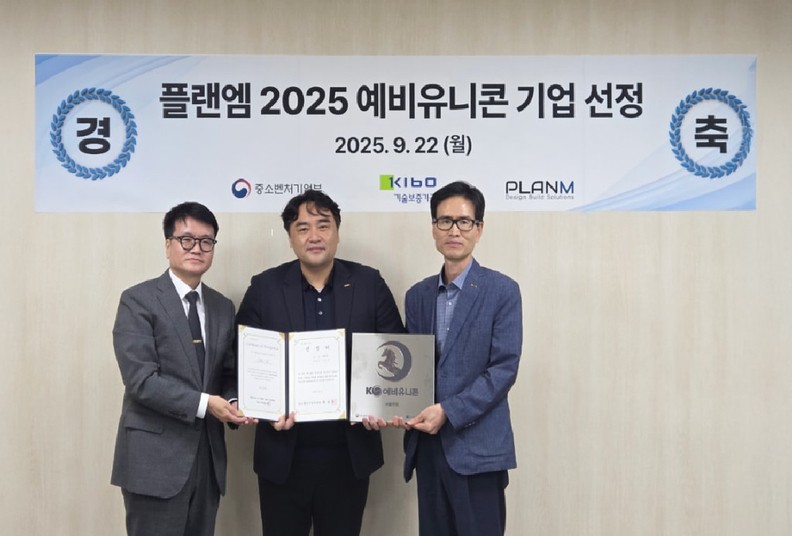
From the private sector, Kim Dong-hyuk (Team Leader at GS E&C) and Song Kyung-seop (Vice President of PLANM) presented strategies and directions for institutional reform.
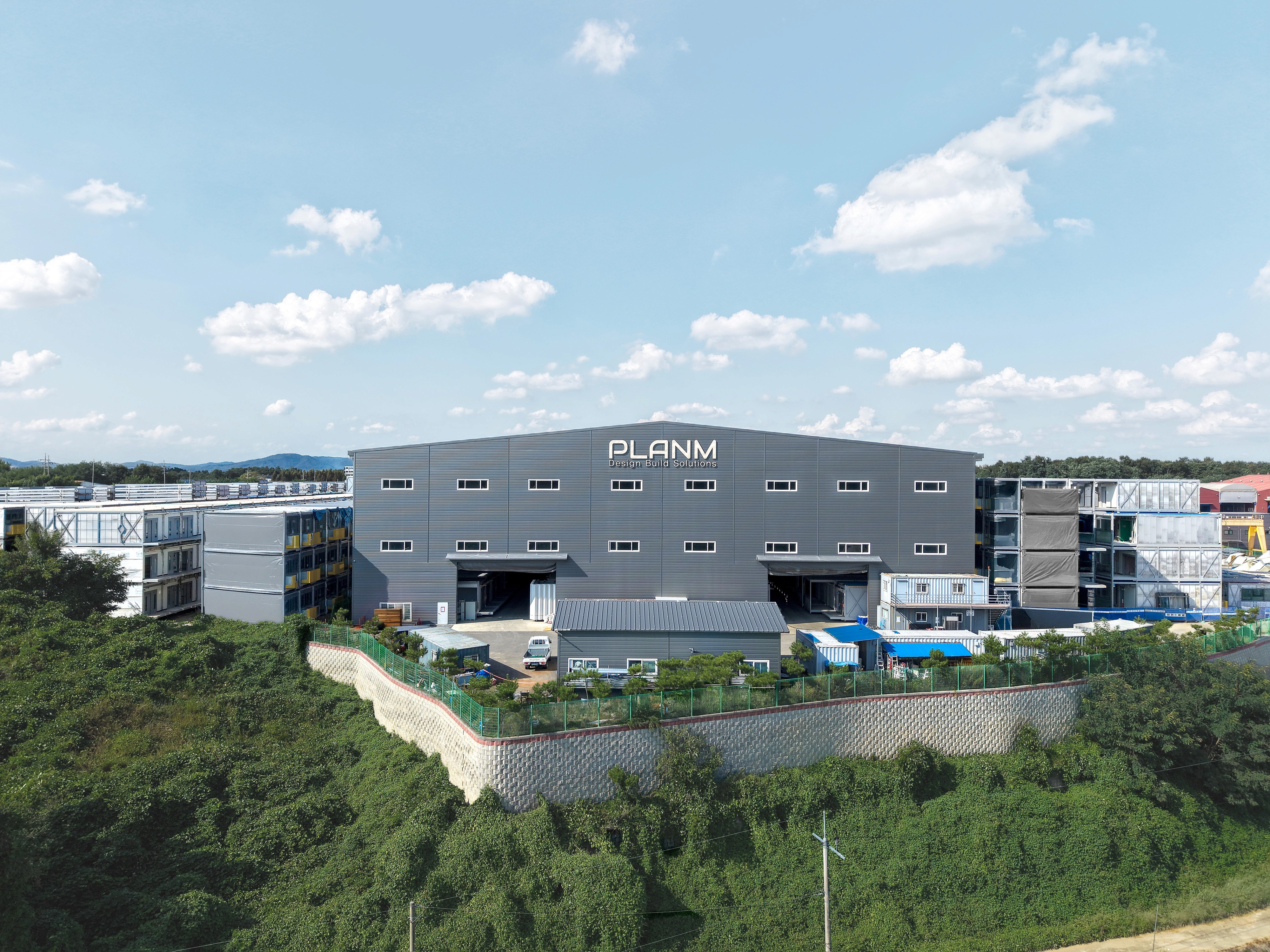
Kim proposed a stepped approach for expansion: ▲Commercialization, ▲Branding, and ▲Ecosystem Building. Song Kyung-seop, Vice President of PLANM, emphasized: “The domestic modular market is currently expanding toward residential sectors. Institutional improvements, such as fire resistance standards and the provision of incentives, must be implemented as soon as possible for the modular industry to become more competitive.”
The panel discussion, chaired by Professor Cho Bong-ho of Ajou University, featured experts from the Korea Institute of Civil Engineering and Building Technology (KICT), SH Corporation, POSCO A&C, and the Ministry of Land, Infrastructure and Transport (MOLIT). They discussed a wide range of topics, from policy formulation to the tangible outcomes of modular projects.
Related Articles